Is Graffiti Art or Vandalism? Understanding the Debate
TL;DR
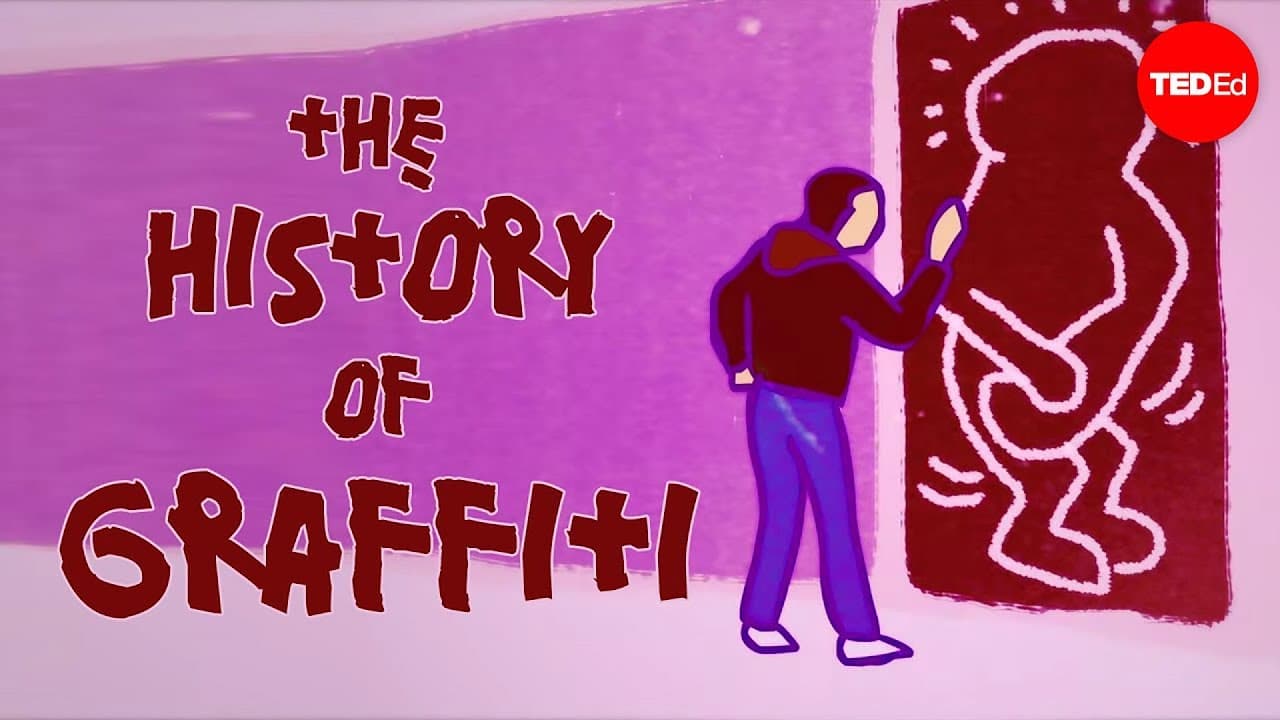
Graffiti is a contentious form of expression that raises the question of whether it is art or vandalism. Historically rooted in ancient societies like the Romans and Mayans, graffiti has evolved along with counterculture movements, often associated with rebellion. Despite its illegal status, graffiti reflects artistic value and has gained acceptance in mainstream culture, challenging perceptions of ownership and space.
Transcript
Spray-painted subway cars, tagged bridges, mural-covered walls. Graffiti pops up boldly throughout our cities. It can make statements about identity, art, empowerment, and politics, while simultaneously being associated with destruction. And, it turns out, it's nothing new. Graffiti, or the act of writing or scribbling on public property, has bee... Read More
Key Insights
- 🧑🤝🧑 Graffiti has a long history, dating back to ancient civilizations like the Romans and Mayans.
- 🥰 The term "vandalism" was coined during the 5th century by the Vandals' destructive actions, but it wasn't until the French Revolution that it became associated with defacing art.
- 🥺 Graffiti has been linked to rebellion and provocation, leading many artists to operate underground or assume alternate identities.
- 🧑🎨 The debate over whether graffiti is art or vandalism continues, with artists challenging traditional notions of ownership and artistic value.
- 🧑🎨 Graffiti has become more mainstream over time, with some artists being recognized by galleries and collaborating with museums and brands.
- 🎑 Graffiti has been used by political movements to spread messages and has been associated with counterculture scenes.
- ♿ The Berlin Wall's graffiti can be seen as a symbol of repression versus public access.
Install to Summarize YouTube Videos and Get Transcripts
Explore YouTube Video Summarizer or Get YouTube Transcript Extractor
Questions & Answers
Q: When did graffiti first emerge and who were some early practitioners?
Graffiti has been around for thousands of years. Romans and Mayans used public walls to communicate and express themselves through inscriptions and drawings.
Q: How did vandalism become associated with graffiti?
The term "vandalism" originated in the 5th century when the Vandals pillaged and destroyed Rome. However, it wasn't until the French Revolution that defacing art was denounced as vandalism.
Q: How did graffiti become associated with rebellion and provocation?
As graffiti increasingly became a symbol of deliberate rebellion and provocation, artists started operating underground. Some adopted alternate identities for protection while others sought a sense of comradery and territorial claim.
Q: How has graffiti evolved over time?
In the 1960s, graffiti artists in New York City and Philadelphia started using coded labels to mark their movements and origins. Graffiti has since become more mainstream, with select artists being admitted into galleries and collaborating with traditional museums and brands.
Summary & Key Takeaways
-
Graffiti, the act of writing or scribbling on public property, has been practiced for centuries and raises questions about art and vandalism.
-
Romans and Mayans were among the first civilizations to engage in graffiti, using it as a form of communication and self-expression.
-
The term "vandalism" originated in the 5th century, but it wasn't until the French Revolution that it became associated with defacement of art.
-
Graffiti artists have faced underground existence due to associations with rebellion and provocation.
Read in Other Languages (beta)
Share This Summary 📚
Summarize YouTube Videos and Get Video Transcripts with 1-Click
Try YouTube Summary with ChatGPT & Claude or YouTube Transcript Generator
Explore More Summaries from TED-Ed 📚






Summarize YouTube Videos and Get Video Transcripts with 1-Click
Try YouTube Summary with ChatGPT & Claude or YouTube Transcript Generator