How Can Hackers Prevent Mental Health Burnout?

TL;DR
Security professionals can manage job-related mental strain by creating quiet recovery spaces, building restorative routines, taking time away, delegating work, and talking openly about anxiety, depression, and burnout. High-pressure deadlines, communication overload, fear of public security failures, and a culture of always being available make deliberate recovery and supportive professional communities especially important.
Transcript
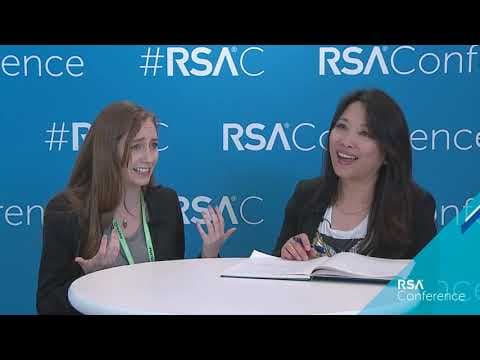
Dude. Oh. Hello, listeners, and welcome to this installment of our RSA Conference webcast series, Mental Health for Hackers. We've been having a joyous backstage conversation in our green room as we waited for the top of the hour. I'm your host, Casey Zergas, content strategist for the RSA Conference team. During the webcast, all participants will ... Read More
Key Insights
- Mental health difficulties are common enough within information security that Amanda Berlin received a strong response when she publicly discussed her experiences with anxiety and depression. That response motivated her to expand a personal conference talk into a broader community initiative focused on support and stigma reduction.
- Mental Health Hackers is a nonprofit that creates supportive spaces at information security conferences. It developed after an experimental DerbyCon village received two and a half days and a full room, allowing volunteers and presenters to offer talks, relaxation activities, and a quiet alternative to the surrounding event.
- Conference overload can contribute to panic attacks and social withdrawal. Amanda described moving from working at home to environments filled with friends, strangers, and large amounts of information, then becoming overwhelmed and isolating herself in her room when her brain could no longer comfortably process the stimulation.
- Quiet recovery spaces are a practical way to help conference attendees decompress. Mental Health Hackers villages have offered opportunities to sit quietly, color, eat snacks, pet therapy dogs, practice yoga, or receive a massage, depending on the donations, volunteers, and professional services available at an event.
- Open discussion is central to reducing mental health stigma in the security community. Amanda’s goal is to make anxiety, depression, therapy, and personal coping strategies subjects that anyone can discuss, while recognizing these challenges as human experiences rather than reasons for embarrassment or silence.
- Security work is highly stressful across offensive, defensive, and other technical roles. Charles identified difficult days, deadlines, pressure, and work that does not go as planned as recurring challenges, which makes deliberate routines and supportive messages valuable for maintaining energy and perspective.
- A quiet morning routine can create a calmer start to a demanding day. Charles begins with tea and spends 10 to 15 minutes sitting outside, even when the weather is cool, using the quiet and moving air as a period of relaxation before beginning work.
- Burnout risk increases when security professionals remain always available, avoid vacations, and refuse to delegate. The fear that a company could appear in a negative headline, potentially costing someone their job, compounds this pressure and makes intentional rest and shared responsibility especially important.
Install to Summarize YouTube Videos and Get Transcripts
Explore YouTube Video Summarizer or Get YouTube Transcript Extractor
Questions & Answers
Q: How can hackers manage mental health challenges at work?
Hackers and other security professionals can manage job-related mental strain by establishing quiet periods, taking vacation, delegating responsibilities, and speaking openly about anxiety, depression, and burnout. Charles Shirer uses tea and 10 to 15 minutes outside as a calming morning routine. Amanda Berlin also emphasizes access to quiet spaces where overwhelmed people can decompress away from intense social and informational stimulation.
Q: Why are security professionals vulnerable to burnout?
Security professionals face highly stressful work, difficult deadlines, communication overload, and pressure when technical tasks do not go as planned. They may also feel continuously responsible for preventing an incident that could place their company in a public headline and potentially threaten their employment. Remaining always available, skipping vacations, and failing to delegate can compound that pressure until it results in burnout.
Q: What is Mental Health Hackers?
Mental Health Hackers is a nonprofit founded by Amanda Berlin to support mental health within the information security community and reduce stigma around discussing personal struggles. It organizes conference villages that provide quiet space, talks, and restorative activities. The initiative grew after strong responses to Berlin’s presentations about her own anxiety and depression showed that many other people shared similar challenges.
Q: How do quiet spaces support mental health at security conferences?
Quiet spaces give attendees a place to step away from the social activity, unfamiliar people, and heavy flow of information found at security conferences. Amanda Berlin described how that combination could overload her and contribute to panic attacks or isolation. A calmer room allows people to sit, color, eat a snack, pet a therapy dog, practice yoga, or simply decompress.
Q: How did Mental Health Hackers begin?
Mental Health Hackers began after Amanda Berlin spoke publicly about her anxiety, depression, and research into mental health difficulties among people in STEM fields. Strong audience reactions suggested that a larger initiative could help. She proposed a four-hour village at DerbyCon, received two and a half days and a full room, then developed the idea into a nonprofit after substantial community interest and donations.
Q: What activities are offered at Mental Health Hackers villages?
Mental Health Hackers villages provide a quiet, relaxed environment and may include personal talks, coloring, snacks, massage therapy, yoga instruction, and therapy dogs. Speakers have discussed subjects such as myths about therapy, personal mental health struggles, and ways of organizing penetration tests to make work more manageable. The precise offerings vary according to volunteers, donations, and available conference resources.
Q: What daily routine can help security professionals start calmly?
Charles Shirer starts his day by preparing tea and sitting outside in a quiet place for 10 to 15 minutes, even when the air is cool. He uses that pause to relax before work begins. His broader approach treats each morning as a fresh start, encourages attention to the present moment, and avoids allowing yesterday’s difficulties or tomorrow’s uncertainty to consume today’s energy.
Q: Why is open conversation about mental health important in cybersecurity?
Open conversation helps security professionals recognize that anxiety, depression, panic attacks, and other struggles are human experiences that can affect colleagues across the community. Amanda Berlin found that sharing her own experiences prompted a strong response from people who had faced similar issues. Making these subjects discussable can reduce stigma, encourage mutual support, and help individuals seek restorative spaces or healthier working practices.
Summary & Key Takeaways
-
Mental Health Hackers grew from Amanda Berlin’s personal discussions of anxiety and depression and the strong response they received from information security audiences. The nonprofit aims to reduce stigma, encourage open conversation, and provide supportive spaces where professionals can discuss mental health challenges without treating them as personal or professional failings.
-
The organization’s conference villages offer quiet environments where overwhelmed attendees can decompress. Depending on available resources, these spaces have included personal talks, coloring, snacks, massage therapists, yoga instructors, and therapy dogs. The model addresses the sensory, social, and informational overload that can trigger panic attacks or withdrawal during busy industry events.
-
Charles Shirer manages daily stress through a simple morning routine involving tea, fresh air, and 10 to 15 minutes in a quiet outdoor space. He also shares short positive videos with the security community, emphasizing present-focused attention, fresh starts, gratitude for being alive, and the possibility of acting constructively despite difficult experiences.
Read in Other Languages (beta)
Share This Summary 📚
Summarize YouTube Videos and Get Video Transcripts with 1-Click
Try YouTube Summary with ChatGPT & Claude or YouTube Transcript Generator
Explore More Summaries from RSAC Cybersecurity 📚


Summarize YouTube Videos and Get Video Transcripts with 1-Click
Try YouTube Summary with ChatGPT & Claude or YouTube Transcript Generator