Q&A 136: Should Falcon Heavy Launch the Lunar Gateway? And More...
TL;DR
A discussion on various questions about space exploration, including the rationale behind NASA's approach to Mars missions, the potential for moon and Mars colonies, the future of space travel, and the impact of space technologies on life on Earth.
Transcript
it's question show time your questions my answers wherever you are across my channel if a question pops in your brain just write it down i'll gather them up and i will answer them here i record this show every monday at 5 00 pm pacific live on my youtube channel so if you want to join me live uh there'll be a link in the show notes where you can go... Read More
Key Insights
- 🏋️ NASA's direct entry, descent, and landing approach for Mars missions reduces complexity and weight.
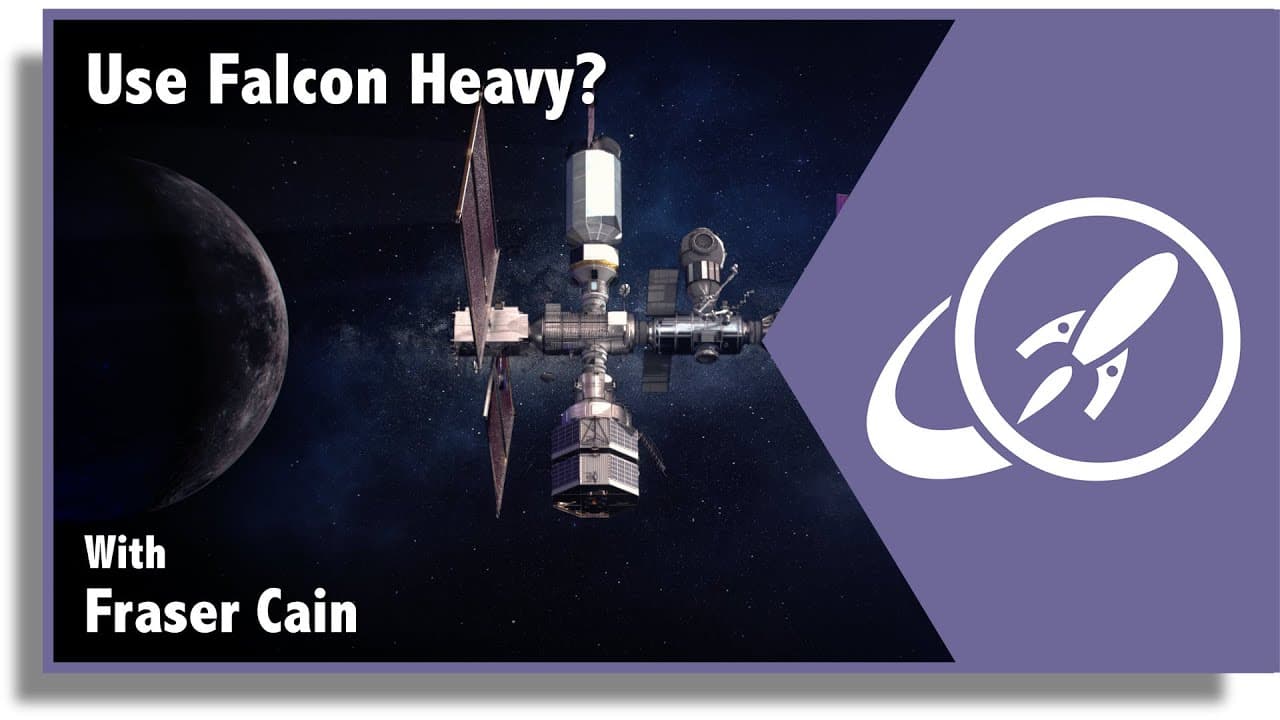
- 👾 SpaceX launching moon platforms for NASA is a cost-effective choice that showcases the potential of private companies in space exploration.
- ⌛ The finite or infinite nature of the universe is still uncertain, but the minimum size is at least 250 times larger than the observable universe.
- 🥮 Building moon or Mars cities is not a reliable solution for protecting humanity from extinction.
Install to Summarize YouTube Videos and Get Transcripts
Explore YouTube Video Summarizer or Get YouTube Transcript Extractor
Questions & Answers
Q: Why do NASA's Mars missions go straight for entry, descent, and landing without orbital insertion first?
NASA has mastered the technique of direct entry, descent, and landing, which reduces complexity and weight. Orbital insertion adds more complexity and weight to the mission.
Q: What are your thoughts on SpaceX launching moon platforms for NASA?
It is a cost-effective choice that demonstrates the viability of private companies for space exploration and reduces expenses compared to other options like the SLS.
Q: Is the universe infinite or finite?
It is uncertain, but based on current measurements, the minimum size of the universe is at least 250 times larger than the observable universe.
Q: Can a moon or Mars city protect humanity from extinction?
No, living on these harsh environments with limited resources is not a viable long-term solution for safeguarding humanity from extinction.
Q: Will AI and advanced automation make space travel more affordable?
Yes, as technology advances and new propulsion systems are developed, space travel is expected to become more affordable due to increased automation and AI.
Summary & Key Takeaways
-
NASA's Mars missions often use a direct entry, descent, and landing approach instead of orbital insertion first because they have mastered the technique and it reduces complexity and weight.
-
SpaceX launching moon platforms for NASA is a cost-effective and sensible choice, as it demonstrates the viability of private companies for space exploration and reduces the expense compared to other options like the SLS.
-
The universe is considered either infinite or finite, but the minimum size of the universe is at least 250 times larger than the observable universe based on current observations.
-
Building a moon or Mars city is not a viable solution for protecting humanity from extinction, as these environments are harsh and the resources are limited.
-
AI and advanced automation have the potential to make space travel more affordable in the future, as technology continues to advance and new propulsion systems are developed.
Read in Other Languages (beta)
Share This Summary 📚
Summarize YouTube Videos and Get Video Transcripts with 1-Click
Try YouTube Summary with ChatGPT & Claude or YouTube Transcript Generator
Explore More Summaries from Fraser Cain 📚
Summarize YouTube Videos and Get Video Transcripts with 1-Click
Try YouTube Summary with ChatGPT & Claude or YouTube Transcript Generator