How to Build a Custom NotebookLM with APIs
TL;DR
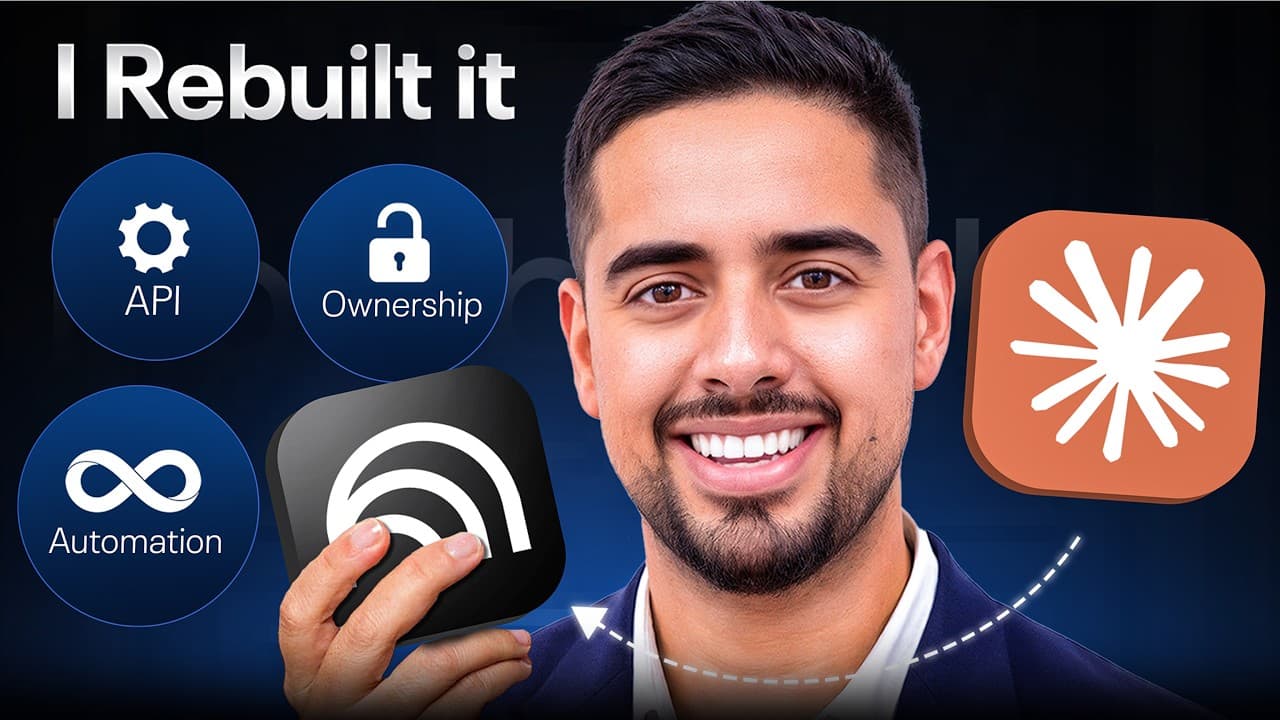
You can create a personalized version of NotebookLM using Claude Code, enhancing its capabilities with API-first design. This approach allows for document chat, podcast generation, video explainers, and study materials, all while maintaining ownership and customization. The setup involves a tech stack including Supabase, Vercel, and Gemini API, providing a robust foundation for advanced users.
Transcript
A lot of people love Notebook LM, but if you've watched this channel for a while, then you'll notice that I've never covered it. Although it's a cool tool, as an AI power user, I always have this need to tinker and customize everything behind the curtain. And I always like to be able to tap into the knowledge or resources of whatever platform I'm b... Read More
Key Insights
- Claude Code allows for building a custom version of NotebookLM with enhanced functionalities.
- API-first design enables integration with external tools like n8n and Zapier.
- The tech stack includes Supabase for database and authentication, Vercel for hosting, and Gemini API for RAG and TTS.
- Document chat, podcast generation, and video explainers are key features of the custom NotebookLM.
- The system supports deep research modes and study materials like flashcards and quizzes.
- The platform is built to be modular, allowing users to swap or integrate services as needed.
- The architecture supports 50 API endpoints, facilitating extensive customization and integration.
- The setup process involves detailed planning with PRD documents and architecture diagrams.
Install to Summarize YouTube Videos and Get Transcripts
Explore YouTube Video Summarizer or Get YouTube Transcript Extractor
Questions & Answers
Q: How to build a custom NotebookLM with APIs?
Building a custom NotebookLM involves using Claude Code to create an API-first design, allowing integration with external tools. The tech stack includes Supabase for database management, Vercel for hosting, and Gemini API for features like RAG and TTS. This setup supports document chat, podcast generation, video explainers, and study materials, offering extensive customization and control.
Q: What is the tech stack for a custom NotebookLM?
The tech stack for a custom NotebookLM includes Supabase for database and authentication, Vercel for hosting, and Gemini API for RAG and TTS functionalities. This combination provides a robust foundation for building a personalized version of NotebookLM with enhanced capabilities like document chat and podcast generation.
Q: Why use an API-first design for NotebookLM?
An API-first design for NotebookLM enables seamless integration with external tools like n8n and Zapier, providing flexibility and control over the platform. This approach allows for the creation of customized features such as document chat, podcast generation, and study materials, catering to the needs of advanced users seeking enhanced functionality.
Q: What features can be added to a custom NotebookLM?
A custom NotebookLM can include features like document chat, multi-person podcast generation, video explainers, deep research modes, and study materials such as flashcards and quizzes. The API-first design allows for extensive customization and integration with external tools, enhancing the platform's capabilities for power users.
Q: How to integrate external tools with NotebookLM?
Integrating external tools with NotebookLM involves using an API-first design, which allows seamless connectivity with platforms like n8n and Zapier. This setup enables users to extend the functionality of NotebookLM by adding features such as document chat, podcast generation, and study materials, providing a customized and powerful user experience.
Q: What are the benefits of using Supabase in NotebookLM?
Supabase is used in NotebookLM for its database management and authentication capabilities. It provides a scalable and efficient solution for storing and retrieving data, essential for features like document chat and study materials. Supabase's integration with other components of the tech stack enhances the platform's overall functionality and performance.
Q: How does Gemini API enhance NotebookLM?
Gemini API enhances NotebookLM by providing RAG (retrieval-augmented generation) and TTS (text-to-speech) functionalities. These capabilities enable advanced features such as document chat, podcast generation, and video explainers, making the platform more versatile and powerful for users seeking a comprehensive research and learning tool.
Q: What is the role of Vercel in NotebookLM?
Vercel is used in NotebookLM for hosting the platform, ensuring reliable and scalable deployment of the application. It supports the API-first design by facilitating the hosting of API endpoints, allowing for seamless integration with external tools and services. Vercel's efficient hosting capabilities contribute to the platform's overall performance and user experience.
Summary & Key Takeaways
-
The video explains how to build a custom version of NotebookLM using Claude Code, focusing on API-first design for enhanced functionality. The setup includes Supabase for database management, Vercel for hosting, and Gemini API for various features. This approach allows for the creation of document chats, podcasts, videos, and study materials, offering users complete control and customization.
-
An API-first approach is emphasized, allowing integration with tools like n8n and Zapier. The custom NotebookLM supports document chat, podcast generation, video explainers, and study materials, making it suitable for power users seeking advanced features and control.
-
The custom NotebookLM is built with a modular architecture, enabling users to swap or integrate services as needed. The setup includes 50 API endpoints, providing extensive customization and integration options. Detailed planning with PRD documents and architecture diagrams is crucial for successful implementation.
Read in Other Languages (beta)
Share This Summary 📚
Summarize YouTube Videos and Get Video Transcripts with 1-Click
Try YouTube Summary with ChatGPT & Claude or YouTube Transcript Generator
Explore More Summaries from Mark Kashef 📚

Summarize YouTube Videos and Get Video Transcripts with 1-Click
Try YouTube Summary with ChatGPT & Claude or YouTube Transcript Generator