What Unusual Scientific Discoveries Were Made in September 2023?
TL;DR
In September 2023, notable scientific discoveries included the Milky Way's supermassive black hole experiencing unexpected activity, advancements in vitrification for organ preservation, and evidence supporting wet-dry cycles on ancient Mars that may indicate the potential for life. Other highlights feature insights into gamma ray emissions from the sun and the potential ancient diets of trilobite-eating creatures.
Transcript
2023 continues to march on with no shortage of odd and interesting scientific discoveries. So here are 10 unusual new scientific discoveries for September of 2023. Number 10. Recent Activity of the Galaxy’s Supermassive Black Hole The core of the galaxy, and the supermassive black hole within it, has been quiet for a very long time. Or so we though... Read More
Key Insights
- 🖤 The recent activity of the supermassive black hole in the Milky Way raises questions about the frequency and dynamics of outbursts in black holes.
- 🥶 Advances in vitrification using iron nanoparticles have the potential to revolutionize organ transplantation by allowing for more successful freezing and thawing processes.
- 🏍️ Evidence of wet-dry cycles and seasons on ancient Mars suggests that the planet may have had the necessary conditions for life to emerge.
- 🙂 Tracking down mitochondria and their connection to oxygen-dependent bacteria may shed light on the evolution of eukaryotic life.
- ⏮️ The discovery that Anomalocaris Canadensis may not have hunted trilobites challenges previous theories about these ancient species.
- 🕵️ Mars quakes were likely detected by the Viking 2 lander in the 1970s, indicating potential volcanic activity on the planet.
- 🕶️ Unexplained gamma ray emissions from the sun at teraelectron volt energies pose a mystery and may be related to dark matter within the star.
Install to Summarize YouTube Videos and Get Transcripts
Explore YouTube Video Summarizer or Get YouTube Transcript Extractor
Questions & Answers
Q: How did scientists determine that the Milky Way's supermassive black hole recently experienced an outburst of activity?
Scientists observed galactic clouds of dust and gas that lit up around 30 years ago, which could only have occurred if there was a burst of activity from the black hole. The brightening was triangulated to the black hole, confirming the event.
Q: How could the discovery of even reheating of frozen organs revolutionize organ transplantation?
Current methods of freezing organs for transplantation result in thermal damage during the thawing process. However, with the use of iron nanoparticles, organs can be preserved and transplanted successfully even after 100 days of freezing, potentially increasing the availability and success of transplants.
Q: What does the evidence of wet-dry cycles on ancient Mars suggest about the planet's potential for supporting life?
Wet-dry cycles, which are believed to have played a role in the formation of cell membranes and RNA generation on Earth, were also present on Mars. This suggests that Mars may have had the necessary conditions to support life, and if these conditions are common in other star systems, terrestrial planets that can host life may be widespread in the universe.
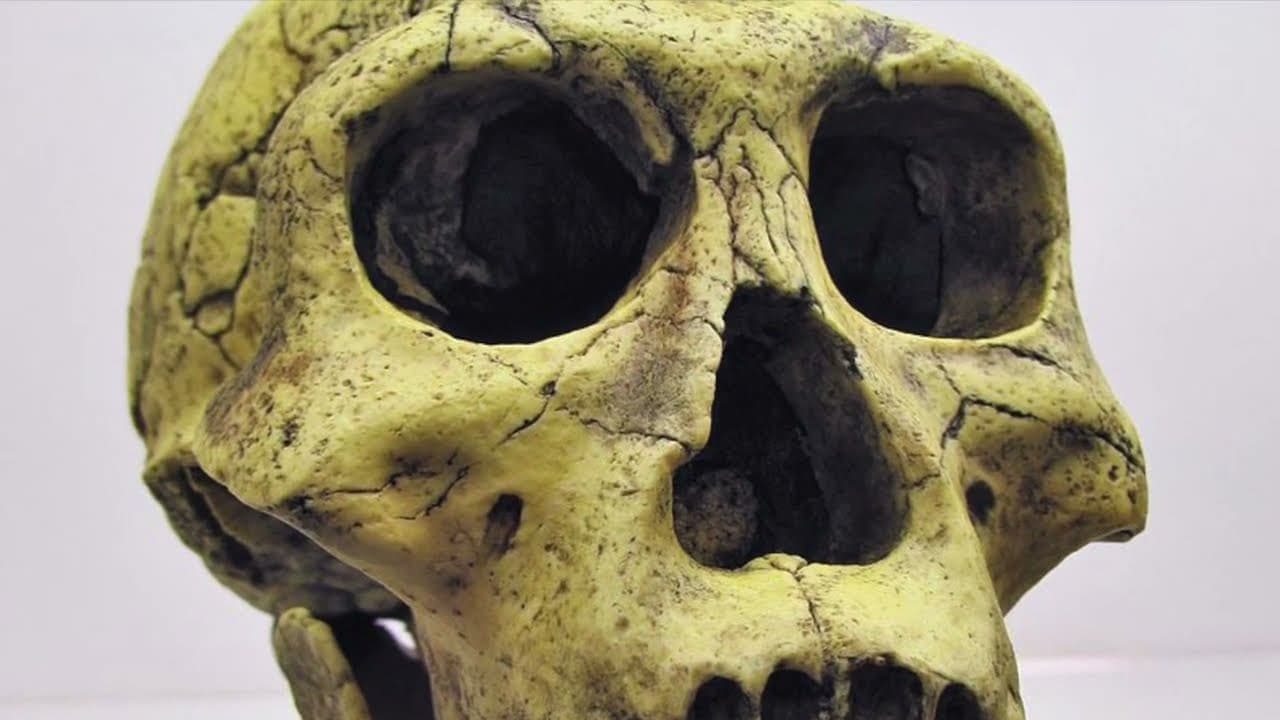
Q: What evidence supports the possibility of early hominids engaging in cannibalism or hunting other hominids?
Examination of a fossilized hominid leg bone from Kenya showed marks consistent with stone tool use, suggesting butchering for meat. While skepticism exists within the scientific community, evidence from other bones and the practices of Neanderthals and anatomically modern humans suggest that early hominids may have engaged in cannibalism or hunting each other.
Summary & Key Takeaways
-
The Milky Way's supermassive black hole, Sagittarius A star, was recently observed to have experienced an outburst of activity, causing brightening and raising questions about the frequency of these events.
-
Scientists have made progress in vitrification, a method of preserving organs for transplantation, by using nanoparticles of iron to allow for more even reheating of frozen organs.
-
Researchers have discovered evidence of wet-dry cycles and seasons on ancient Mars, suggesting that the planet may have been capable of supporting life.
Read in Other Languages (beta)
Share This Summary 📚
Summarize YouTube Videos and Get Video Transcripts with 1-Click
Try YouTube Summary with ChatGPT & Claude or YouTube Transcript Generator
Explore More Summaries from John Michael Godier 📚
Summarize YouTube Videos and Get Video Transcripts with 1-Click
Try YouTube Summary with ChatGPT & Claude or YouTube Transcript Generator