How will Australia raise standards and cut temporary visas
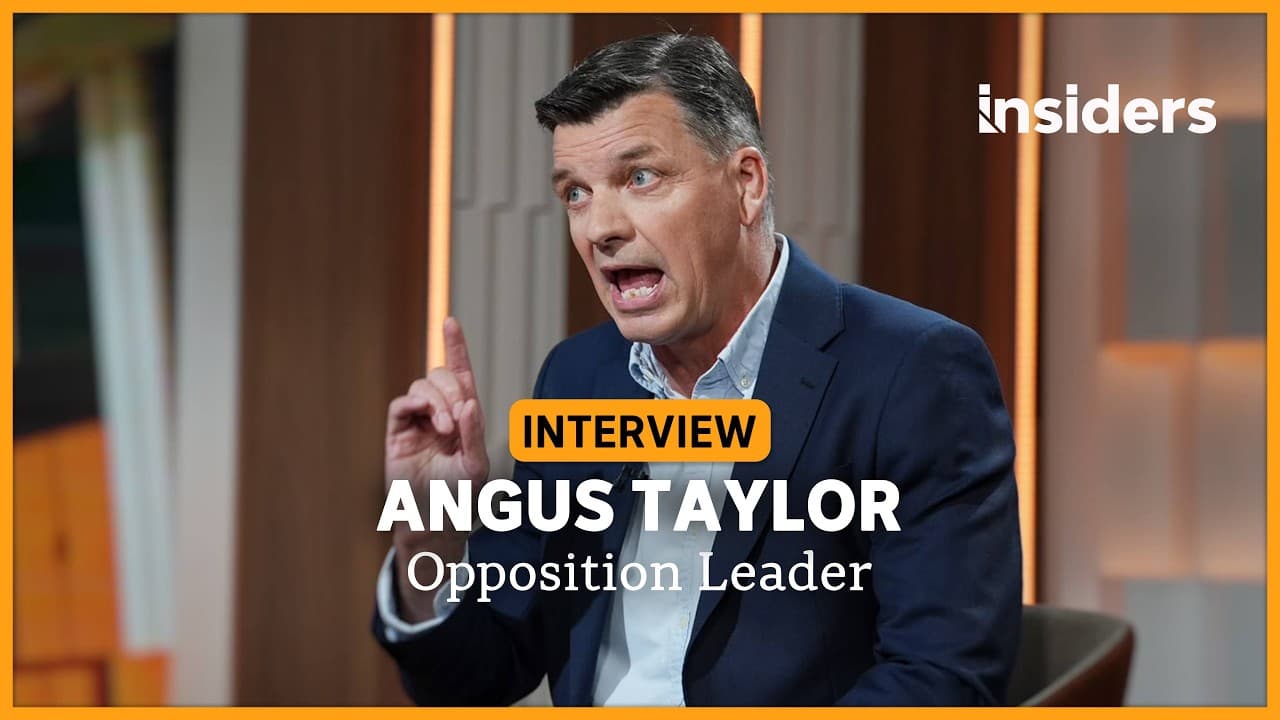
TL;DR
The opposition argues the policy will be budget neutral by raising standards while reducing visa numbers, and it will increase skilled immigration to boost productivity. They claim secondary applicants and student visa changes are crucial, plus new visa classes to target project work and address labor shortages. They insist the plan strengthens the economy and infrastructure capacity.
Transcript
this morning. Welcome to the program. >> Good to be with you, David. >> So, let's start with this concern over the cost of this. Why didn't you have the parliamentary budget office cost this policy? >> Well, we did get the budget office to do the budget analysis and that's all they can do at this point because u for technical re Oh well, can I star... Read More
Key Insights
- The key to the policy is achieving budget neutrality by raising standards and limiting visa numbers.
- The plan relies on increasing the number of skilled workers by about 100,000 while reducing other temporary visas.
- Secondary applicants are a major focus of the reform, with changes to student visa pathways and permanent residency rules.
- New visa categories, like project and defense visas, aim to fast track workers for big infrastructure and national needs.
- Eliminating temporary graduate visas is part of shifting toward longer term skilled labor outcomes.
- The policy argues that higher wages and productivity will offset reduced visa numbers.
- There is an emphasis on reducing dependency on population growth as the sole engine of economic growth.
- Labor policy changes are described as being difficult for the Parliamentary Budget Office to model due to baseline differences?
Install to Summarize YouTube Videos and Get Transcripts
Explore YouTube Video Summarizer or Get YouTube Transcript Extractor
Questions & Answers
Q: How does the policy claim to achieve budget neutrality while reducing visas?
The policy argues that by raising standards and incomes for people entering the country, the overall tax paid and productivity will rise, offsetting the reduction in visa numbers. It also includes changes such as eliminating secondary applicants on certain visas and adjusting permanent residency thresholds to ensure the fiscal impact remains neutral while improving workforce quality.
Q: What role do secondary visa applicants play in the plan?
Secondary applicants are a major focus of the reform. By limiting secondary entrants for student and other visa categories, the policy aims to lower the total number of people entering on temporary visas, while the higher skill and tax contributions of primary visa holders help offset losses. This tightening is intended to improve income and productivity for the country.
Q: What new visa categories are proposed and why?
The policy proposes dedicated project visas and defense-oriented visas to address specific labor needs for large-scale projects and national priorities. These visas would streamline entry for workers with in-demand skills, reduce bottlenecks caused by other sectors, and help ensure Australian workers are trained and employed on critical infrastructure.
Q: How is the current role of the Parliamentary Budget Office described?
The officials say the PBO can only cost policies against a Labour baseline and cannot model Labour policy changes directly. They argue this constraint makes it difficult to produce a comprehensive cost, but assert that their own analysis shows budget neutrality when considering raised standards and reduced numbers across visa programs.
Q: What is the stance on student visas in the plan?
The plan intends to eliminate temporary graduate visas and modify student visa pathways so graduates who stay on skilled visas can contribute to the economy. It suggests that universities will benefit from policies that link education outcomes to visa allocations, encouraging skills that align with temporary skilled visa needs.
Q: How does the policy address labor market and productivity concerns?
The policy argues that productivity and wages are the main levers for growth and that current immigration alone is not advancing productivity. By improving the skill mix, increasing average incomes, and prioritizing projects with dedicated visas, it aims to reduce pressure on infrastructure and housing while strengthening the economy.
Q: What is said about project and Olympics-related work?
Project and defense visas are highlighted as essential for big upcoming projects, including Olympics-related work. The plan emphasizes getting Australians into construction roles first but using dedicated visas to bring in needed specialists quickly, thereby supporting major projects without compromising local employment opportunities.
Q: How does the policy plan to handle bridging fees and backlog processing?
By removing bridging fees and fast tracking certain visa classes, the plan aims to clear backlogs and process applications faster. This would improve the overall efficiency of the immigration system, reducing wait times for skilled workers while ensuring that the entrants meet higher standards and contribute economically.
Summary & Key Takeaways
-
The policy set aims to reduce overall visa numbers while improving the skill level of entrants and raising incomes for workers in Australia. It emphasizes budget neutrality through a combination of higher standards and targeted visa increases.
-
The plan includes measures to eliminate secondary applicants on certain visas and to reform student visa pathways, coupled with new dedicated visas for projects and specific sectors like defense, to meet labor needs.
-
The argument centers on balancing population growth with economic productivity, claiming reforms would curb uncontrolled visa intake and shift incentives toward employment and infrastructure readiness.
Read in Other Languages (beta)
Share This Summary 📚
Summarize YouTube Videos and Get Video Transcripts with 1-Click
Try YouTube Summary with ChatGPT & Claude or YouTube Transcript Generator
Explore More Summaries from ABC News (Australia) 📚


Summarize YouTube Videos and Get Video Transcripts with 1-Click
Try YouTube Summary with ChatGPT & Claude or YouTube Transcript Generator