What Defines a Religion and Why Does It Matter?
TL;DR
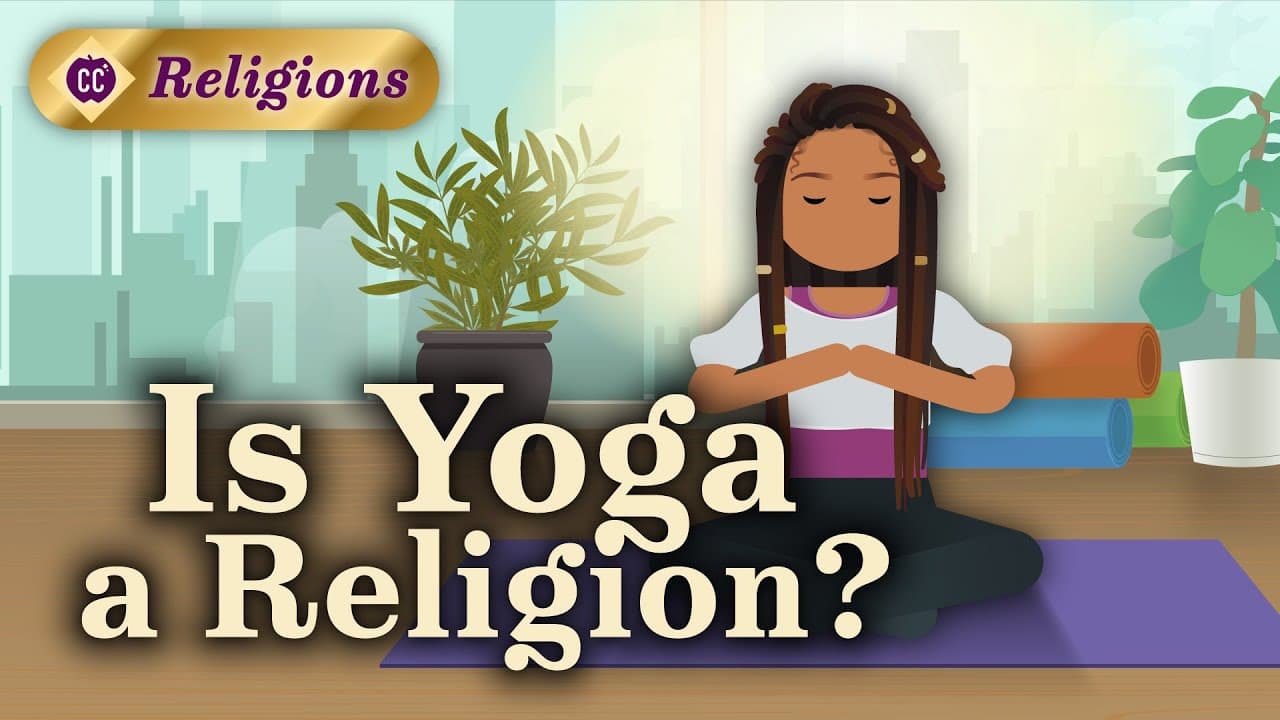
Religion is a complex term without a universal definition. It can encompass belief in a higher power, shared belief systems, or actions over beliefs. The way we define religion impacts societal structures, legal protections, and individual freedoms. Understanding these definitions helps us navigate cultural and social dynamics.
Transcript
All right, I guess we’re doing this. They’ve been asking for it for years. Praying for it even. I’m John Green and welcome to Crash Course Religions. So let me begin with a confession: I don't know what religion is. But I also don’t know what art is, or what literature is, or for that matter what biology is. Like, is studying viruses biology? I d... Read More
Key Insights
- Religion is a complex term with no single definition that applies universally.
- Definitions of religion can have significant societal and legal impacts.
- Some religions focus on belief in a higher power, while others emphasize ethical behavior and self-transformation.
- Creedal religions are based on shared beliefs and often linked to sacred texts.
- Votive religions emphasize actions over beliefs, focusing on practices like meditation and community care.
- The concept of religion as a personal belief system emerged in 16th-century Western Europe.
- Colonialism spread Western concepts of religion, often clashing with indigenous practices.
- Legal definitions of religion can influence religious freedom and societal inclusion.
Install to Summarize YouTube Videos and Get Transcripts
Explore YouTube Video Summarizer or Get YouTube Transcript Extractor
Questions & Answers
Q: How is religion defined?
Religion is defined in various ways, often lacking a single, universal definition. It can involve belief in a higher power, shared belief systems, or focus on actions over beliefs. Definitions vary across cultures and societies, impacting legal protections and social structures. Understanding these definitions helps navigate cultural and social dynamics.
Q: What are creedal and votive religions?
Creedal religions are based on shared beliefs and are often linked to sacred texts, emphasizing the importance of doctrinal agreement among followers. Votive religions, on the other hand, emphasize actions over beliefs, focusing on practices such as meditation, ethical behavior, and community care. Both types highlight different aspects of religious practice.
Q: Why did the concept of religion as a personal belief system emerge?
The concept of religion as a personal belief system emerged in 16th-century Western Europe during the Protestant Reformation. This period saw debates over the authority of the Church and the separation of church and state. Reformers like Martin Luther advocated for personal relationships with the divine, reshaping the understanding of religion in Western societies.
Q: How did colonialism affect the spread of religious concepts?
Colonialism spread Western religious concepts to colonized regions, often clashing with indigenous practices. Europeans encountered diverse traditions that didn't fit their Christianity-shaped model of religion, leading to misunderstandings and impositions. This spread influenced how religion was perceived globally, often prioritizing Western frameworks over indigenous ones.
Q: What is the impact of legal definitions of religion?
Legal definitions of religion significantly impact religious freedom and societal inclusion. They determine who receives legal protections and benefits, influencing social dynamics. When certain practices are not recognized as religions, they may face discrimination or exclusion. Understanding these definitions is crucial for ensuring equitable treatment of diverse religious practices.
Q: How does the definition of religion impact societal structures?
The definition of religion impacts societal structures by influencing legal protections, social norms, and cultural dynamics. It determines which practices are recognized and protected, affecting individual freedoms and community rights. Accurate and inclusive definitions are essential for fostering understanding and respect within diverse societies.
Q: What role does belief in a higher power play in defining religion?
Belief in a higher power is a common element in many religions but is not universal. Some religions, like certain forms of Jainism and Buddhism, focus on ethical behavior and self-transformation rather than deities. This highlights the diversity in religious practices and the complexity of defining religion solely based on belief in a higher power.
Q: Why is it important to understand different definitions of religion?
Understanding different definitions of religion is important for navigating cultural and social dynamics. It helps recognize the diversity in religious practices and the impact of these definitions on legal protections and societal inclusion. Awareness of these definitions fosters respect and understanding in multicultural societies, ensuring equitable treatment of all religious practices.
Summary & Key Takeaways
-
Religion lacks a universal definition, encompassing beliefs in higher powers, shared systems, or actions. Its definition impacts societal structures and legal protections, influencing religious freedom and inclusion. Understanding these definitions is crucial for navigating cultural dynamics.
-
Religions can be creedal, based on shared beliefs and sacred texts, or votive, focusing on actions over beliefs. The Western concept of religion as a personal belief system emerged during the Protestant Reformation.
-
Colonialism spread Western religious concepts, often clashing with indigenous practices. Legal definitions of religion affect religious freedom and societal inclusion, highlighting the importance of understanding and defining religion accurately.
Read in Other Languages (beta)
Share This Summary 📚
Summarize YouTube Videos and Get Video Transcripts with 1-Click
Try YouTube Summary with ChatGPT & Claude or YouTube Transcript Generator
Explore More Summaries from CrashCourse 📚

Summarize YouTube Videos and Get Video Transcripts with 1-Click
Try YouTube Summary with ChatGPT & Claude or YouTube Transcript Generator