Glow-in-the-Dark Plants | Crunch Report
TL;DR
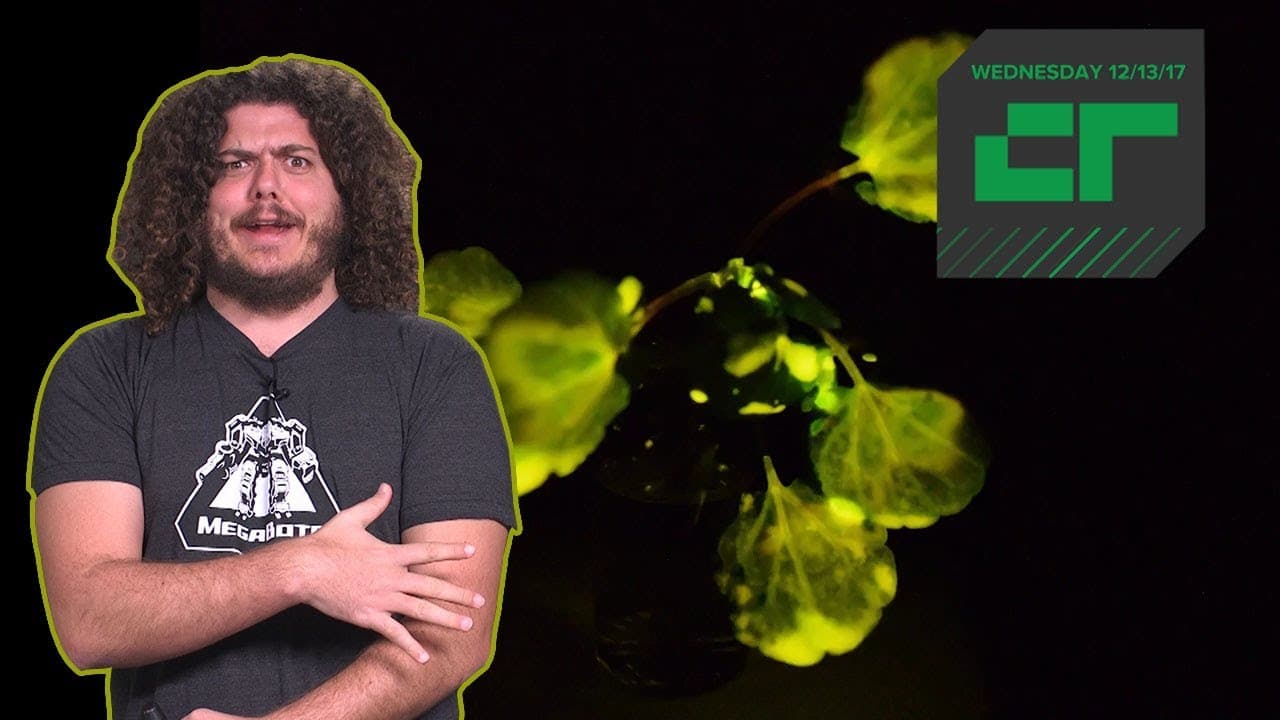
Blue Origin successfully tests their Crew Capsule 2.0, MIT scientists create glow-in-the-dark plants, and Google announces the opening of an AI Center in China.
Transcript
blugh origins capsule 2.0 takes first flight scientists at MIT make glow-in-the-dark plants and Google is opening an AI Center in China it's Wednesday December 13th and this is crunch report every time Bezos our must launch a rocket I imagine that the song today jeff bezos space company Blue Origin recorded a new milestone an inaugural flight for c... Read More
Key Insights
- 👾 Blue Origin's successful Crew Capsule 2.0 flight signals progress towards their goal of launching passengers into space.
- 🌱 MIT's glowing plants present a potential energy-saving solution by replacing streetlights with bioluminescent trees.
- 👨🔬 Google's AI Center in China demonstrates the company's commitment to advancing AI research, competing in the Chinese market, and collaborating with local talent.
- 🫵 The competition for AI talent in China is intense, with companies like Alibaba, Tencent, and Baidu vying for the same talent pool.
- ☢️ Blue Origin's upcoming testing and preparations throughout 2019 indicate an active year for the company.
- 🌱 The ability to engineer glow-in-the-dark plants showcases the potential for biological advancements to address societal needs.
- 👨🔬 Google's focus on funding and sponsoring AI conferences and workshops shows their dedication to fostering collaboration and knowledge sharing in the AI research community.
Install to Summarize YouTube Videos and Get Transcripts
Explore YouTube Video Summarizer or Get YouTube Transcript Extractor
Questions & Answers
Q: What is Blue Origin's Crew Capsule 2.0 and how did its inaugural flight go?
Blue Origin's Crew Capsule 2.0 is the latest version of the vehicle designed for passenger flights. The inaugural flight, without any passengers, was successful, reaching an altitude of 322,000 feet.
Q: How do MIT scientists make plants glow in the dark?
MIT researchers used the enzyme luciferase, found in fireflies, to engineer plants that emit light. Although currently limited to arugula, kale, spinach, and watercress, they aim to create trees that can replace streetlights.
Q: What are the plans for Google's AI Center in China?
Google's AI Center in Beijing will not only conduct its own research but also support the AI research community by funding conferences and workshops. The center aims to collaborate with the Chinese AI research community and compete with other tech giants like Alibaba, Tencent, and Baidu.
Q: How does Google's AI Center in China contribute to the company's overall strategy?
The opening of an AI Center in China allows Google to tap into the vast AI talent pool in the country and establish a presence in the AI research community, while also expanding its global AI initiatives.
Summary & Key Takeaways
-
Blue Origin's Crew Capsule 2.0 completes its first flight test, paving the way for future passenger flights scheduled for early 2019.
-
MIT researchers have developed plants that glow in the dark using the enzyme luciferase, with plans to create trees that can replace streetlights.
-
Google opens an AI Center in Beijing, China, aiming to support AI research, collaborate with the Chinese AI community, and compete with other tech giants in the country.
Read in Other Languages (beta)
Share This Summary 📚
Summarize YouTube Videos and Get Video Transcripts with 1-Click
Try YouTube Summary with ChatGPT & Claude or YouTube Transcript Generator
Explore More Summaries from TechCrunch 📚


Summarize YouTube Videos and Get Video Transcripts with 1-Click
Try YouTube Summary with ChatGPT & Claude or YouTube Transcript Generator