How to Analyze NASDAQ Market Manipulation

TL;DR
Understanding market manipulation in NASDAQ involves analyzing candlestick patterns, volume imbalances, and premium wicks. Traders should focus on identifying fair value gaps and consequent encroachments to anticipate market movements. Proper risk management and awareness of manual interventions are crucial for successful trading in volatile environments.
Transcript
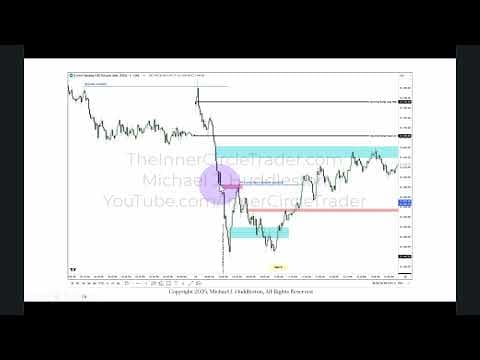
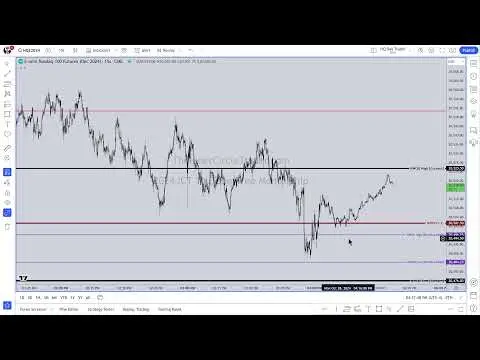
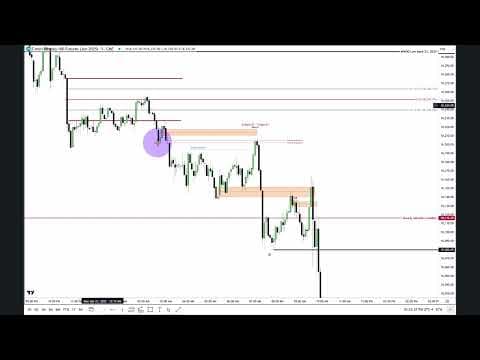
folks. Welcome back. It's going to be a really, really short video. I mean that sincerely tonight. So, we're going to be looking at a Wednesday review for April 23 25. Right. Here's the daily chart for NASDAQ. And we're going to zoom in here and take a look at that right there. That premium wick constant encroachment and that volume imbalance. So, ... Read More
Key Insights
- Market manipulation can be identified through candlestick patterns and volume imbalances.
- Premium wicks and consequent encroachments are key indicators of market behavior.
- Fair value gaps are critical for anticipating price movements.
- Manual interventions create challenging trading environments.
- Proper risk management is essential in volatile markets.
- Traders should avoid overleveraging and use stop losses.
- Understanding personal trading psychology is crucial for success.
- Market conditions can affect the execution of contingent orders like stop-loss.
Install to Summarize YouTube Videos and Get Transcripts
Explore YouTube Video Summarizer or Get YouTube Transcript Extractor
Questions & Answers
Q: How to identify market manipulation in NASDAQ?
Market manipulation in NASDAQ can be identified by analyzing specific candlestick patterns, volume imbalances, and premium wicks. Traders should focus on recognizing fair value gaps and consequent encroachments which serve as indicators of potential price movements. Understanding these elements can help in anticipating market behavior and making informed trading decisions.
Q: What is a fair value gap in trading?
A fair value gap in trading refers to a price range where there is a significant imbalance between buyers and sellers, often identified by a gap between candlestick bodies. This gap can indicate potential areas where price may return to fill the imbalance, providing traders with opportunities to anticipate future price movements and make strategic trades.
Q: Why is risk management important in volatile markets?
Risk management is crucial in volatile markets to protect traders from significant losses. It involves strategies like avoiding overleveraging, using stop losses, and maintaining proper position sizing. Effective risk management ensures that traders can withstand market fluctuations and unexpected events, preserving capital for future opportunities and maintaining long-term profitability.
Q: How do manual interventions affect trading?
Manual interventions can create challenging trading environments by causing irregular price movements and increased volatility. These interventions may disrupt technical patterns and lead to unexpected price swings, making it difficult for traders to execute trades based on traditional analysis. Recognizing signs of manual intervention can help traders adjust their strategies accordingly.
Q: What role does personal trading psychology play in success?
Personal trading psychology plays a significant role in trading success by influencing decision-making and risk management. Understanding one's emotional responses, risk tolerance, and behavioral tendencies can help traders develop strategies that align with their psychological profile. This self-awareness leads to more disciplined trading and reduces the likelihood of impulsive decisions that could result in losses.
Q: What are the limitations of hypothetical performance results?
Hypothetical performance results have limitations as they are often generated with hindsight and do not account for real-world factors like liquidity and emotional decision-making. These results may not accurately reflect actual trading conditions, leading to discrepancies between simulated and real performance. Traders should be cautious in relying solely on hypothetical results for strategy development.
Q: How do market conditions affect contingent orders?
Market conditions can significantly impact the execution of contingent orders, such as stop-loss or stop-limit orders. In volatile markets, rapid price movements may prevent these orders from being executed at intended levels, leading to larger-than-expected losses. Traders must be aware of market conditions and adjust their strategies to account for potential execution risks.
Q: Why is it important to avoid overleveraging in trading?
Avoiding overleveraging is important in trading to prevent excessive risk exposure that can lead to significant losses. Overleveraging can amplify the impact of adverse market movements, potentially resulting in account liquidation. Maintaining appropriate leverage levels helps protect capital and ensures traders can withstand market volatility without compromising their financial stability.
Summary & Key Takeaways
-
Market manipulation in NASDAQ can be identified by analyzing candlestick patterns, volume imbalances, and premium wicks. Understanding these elements helps traders anticipate market movements. Key strategies include identifying fair value gaps and consequent encroachments.
-
Manual interventions and volatile environments require traders to exercise proper risk management. This includes avoiding overleveraging, using stop losses, and understanding personal trading psychology to ensure consistent profitability.
-
Traders must remain aware of the limitations of hypothetical performance results and the inherent risks in futures and options trading. Emphasizing the importance of understanding market conditions and personal trading behavior can lead to more effective trading strategies.
Read in Other Languages (beta)
Share This Summary 📚
Summarize YouTube Videos and Get Video Transcripts with 1-Click
Try YouTube Summary with ChatGPT & Claude or YouTube Transcript Generator
Explore More Summaries from The Inner Circle Trader 📚
Summarize YouTube Videos and Get Video Transcripts with 1-Click
Try YouTube Summary with ChatGPT & Claude or YouTube Transcript Generator