The Insane Engineering of the F-35B
TL;DR
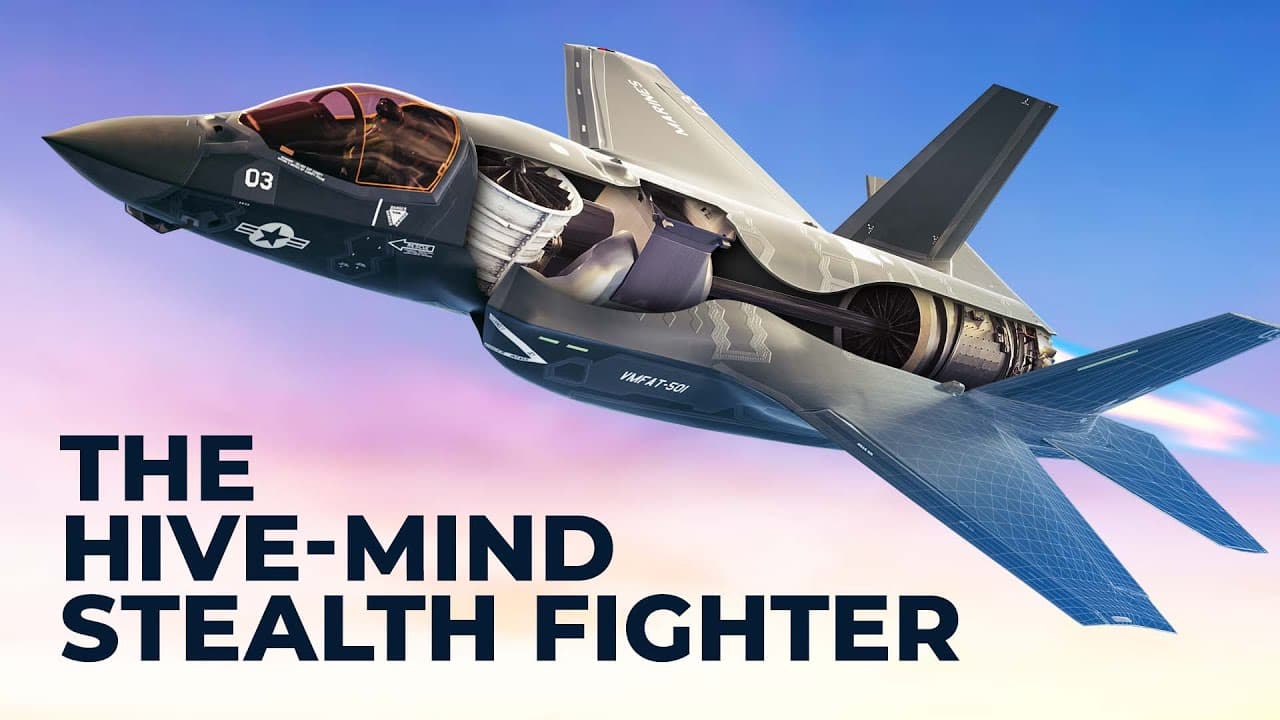
The F-35B is a versatile, stealthy, advanced fighter jet.
Transcript
The F-35B is arguably the most advanced plane ever made. A jack of all trades. A stealth fighter plane, combining and improving on the capabilities of the F-16, AV-8B Harrier, and B-2. A highly maneuverable fighter plane capable of attacking both airborne and ground based targets. A stealth fighter, taking the lessons learned from Lockheed’s previo... Read More
Key Insights
- The F-35B combines capabilities from previous aircraft like the F-16, AV-8B Harrier, and B-2, enhancing stealth and maneuverability.
- Stealth technology in the F-35B focuses on delaying enemy detection rather than making the aircraft invisible.
- The F-35B's design includes a v-tail for superior control authority, avoiding radar reflections from corner surfaces.
- Advanced sensors and computer systems in the F-35B provide pilots with unparalleled situational awareness via a helmet-mounted display.
- The F-35B can transition from horizontal to vertical flight using a vertical turbofan engine, enabling operations from small ships.
- Innovative stealth features include radar-absorbing materials, serrated edges, and radar scattering tapes to minimize radar return.
- The F-35B's engine, the F-135, is powerful, allowing for vertical landings and short takeoffs from amphibious assault ships.
- Networking capabilities allow the F-35B to function as a part of a 'hivemind,' sharing data securely with other aircraft and ground systems.
Install to Summarize YouTube Videos and Get Transcripts
Explore YouTube Video Summarizer or Get YouTube Transcript Extractor
Questions & Answers
Q: What makes the F-35B unique compared to other fighter jets?
The F-35B stands out due to its ability to transition from horizontal to vertical flight, allowing it to operate from small amphibious assault ships. This capability, combined with advanced stealth features and a powerful engine, makes it a versatile and formidable aircraft in modern military operations.
Q: How does the F-35B achieve stealth capabilities?
The F-35B achieves stealth through a combination of design features and materials. It uses radar-absorbing materials, serrated edges to reduce radar return, and radar scattering tapes. These elements work together to delay enemy detection by minimizing the aircraft's radar signature, rather than making it invisible.
Q: What role do sensors play in the F-35B's effectiveness?
Sensors in the F-35B are crucial for providing pilots with superior situational awareness. The aircraft is equipped with advanced sensors that feed data into a central computer, which is then displayed on a helmet-mounted display. This system allows pilots to have a comprehensive view of their surroundings, enhancing decision-making and combat effectiveness.
Q: How does the F-35B's engine contribute to its performance?
The F-35B's engine, the F-135, is a powerful single-engine system capable of producing 191 kilonewtons of thrust. This enables the aircraft to perform vertical landings and short takeoffs, crucial for operations from smaller ships. The engine's design also supports efficient cruising and high thrust, although it limits the aircraft's top speed compared to other jets.
Q: What are the networking capabilities of the F-35B?
The F-35B excels in networking capabilities, using a data link system called MADL to securely share data with other aircraft and ground systems. This allows the F-35B to operate as part of a 'hivemind,' where information is quickly relayed and processed, providing pilots with real-time situational awareness and enhancing coordinated operations.
Q: Why is the F-35B considered a 'jack of all trades'?
The F-35B is considered a 'jack of all trades' due to its combination of stealth, maneuverability, and vertical takeoff capabilities. It integrates features from previous aircraft, enhancing them to create a versatile fighter jet capable of engaging both airborne and ground targets, operating in various environments, and supporting different mission profiles.
Q: What challenges were faced in designing the F-35B?
Designing the F-35B involved significant challenges, particularly in integrating multiple capabilities into a single airframe. Stealth requirements dictated careful shaping of the aircraft, leading to trade-offs in design. Additionally, the need for vertical takeoff capabilities added weight and complexity, requiring innovative engineering solutions to maintain performance and efficiency.
Q: How does the F-35B handle radar-guided missile threats?
The F-35B is equipped with a decoy system to handle radar-guided missile threats. It uses a transmitter to jam and break missile locks, and if necessary, simulates the aircraft's radar signature to draw missiles away. This multi-layered defense system enhances the F-35B's survivability in hostile environments.
Summary & Key Takeaways
-
The F-35B is a cutting-edge fighter jet that integrates advanced stealth, maneuverability, and vertical takeoff capabilities, making it a versatile asset for military operations.
-
Designed with stealth in mind, the F-35B uses innovative technologies to delay detection, including radar-absorbing materials and specialized design features to minimize radar reflections.
-
Equipped with a powerful engine and advanced sensors, the F-35B offers pilots superior situational awareness and the ability to operate from smaller ships, enhancing its operational flexibility.
Read in Other Languages (beta)
Share This Summary 📚
Summarize YouTube Videos and Get Video Transcripts with 1-Click
Try YouTube Summary with ChatGPT & Claude or YouTube Transcript Generator
Explore More Summaries from Real Engineering 📚





Summarize YouTube Videos and Get Video Transcripts with 1-Click
Try YouTube Summary with ChatGPT & Claude or YouTube Transcript Generator