How Does Invisible Security Enable Everyday Life?
TL;DR
Effective security works quietly in the background, reducing risk without obstructing useful actions. Like a gymnastics spotter, a bottle seal, or childproofing controls, it creates enough confidence for people to act more freely. Information security should similarly move beyond fear and use intuitive protections that support commerce, mobile services, and everyday life.
Transcript
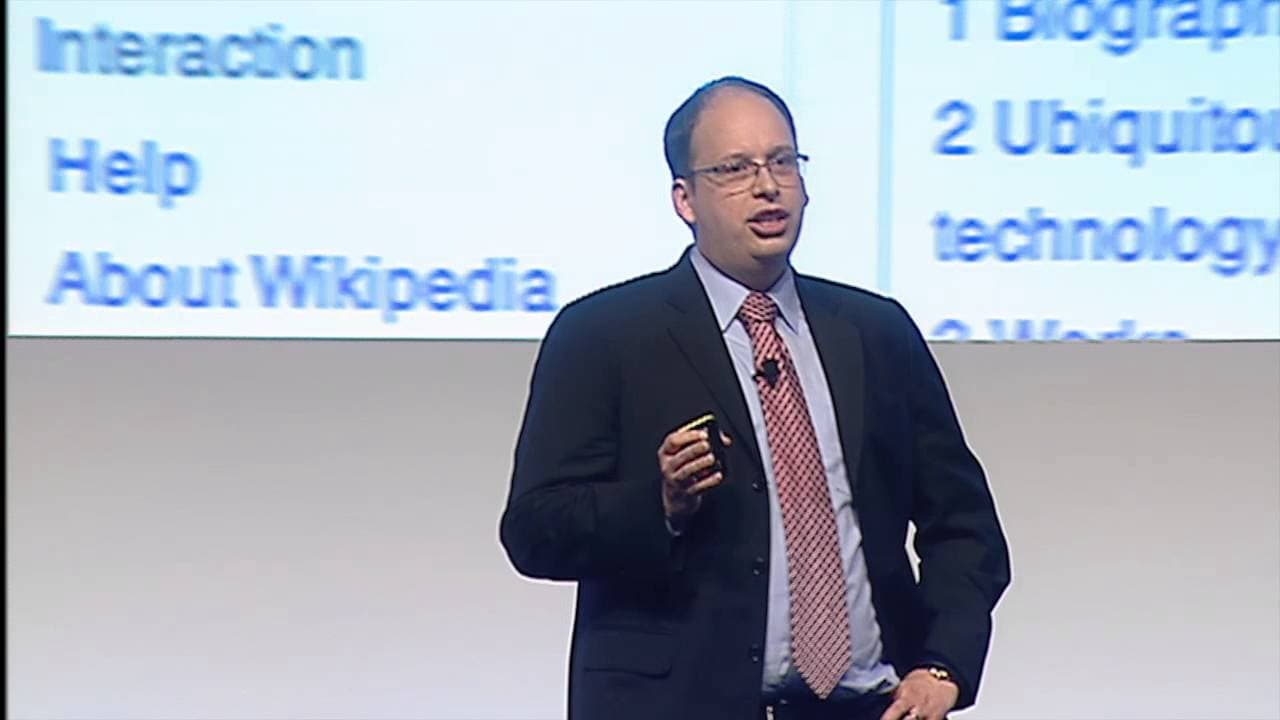
Morning, everybody. Welcome to day two of RSA Conference Asia Pacific. It's a real treat to be able to talk to you this morning about a very important topic. I think that we've seen a lot of changes in the information security landscape over the last twenty-four months. But I wanna talk for a minute about how security impacts other areas of our liv... Read More
Key Insights
- Effective security is often invisible because it operates behind the scenes and allows people to complete useful tasks without repeatedly confronting controls. Thompson’s mobile payment of a traffic ticket illustrates how seamless protection can create confidence without becoming the focus of the experience.
- Security is a foundation for commerce and everyday life, not merely an obstacle placed in front of users. When protections work well, people can share payment information, use mobile services, and interact with unfamiliar organizations without constantly reconsidering every possible risk.
- A gymnastics spotter is a model for unobtrusive security because the spotter approaches when an athlete faces greater risk and steps back during familiar movements. This support reduces danger while allowing the gymnast, rather than the protective mechanism, to remain the center of attention.
- A tamper-evident bottle seal creates trust across a distribution chain by giving the buyer a simple sign that the product has not been opened. The seal reduces concern about the seller, delivery personnel, shipper, and other parties involved before purchase.
- Childproofing can increase practical freedom even while limiting specific actions. Tethered furniture, refrigerator locks, drawer locks, and electrical outlet guards allowed Thompson’s young daughter to roam more freely because her parents did not need to supervise every movement as closely.
- Security controls become most noticeable when they disappear because their absence restores concerns that users had stopped considering. A missing bottle seal, for example, would make the buyer reconsider the people and processes involved in transporting and selling the water.
- Serious information security threats include nation-state attacks, increasingly sophisticated cybercrime groups, and hacktivism. Their prominence has pushed security into mainstream awareness, but responding effectively requires more than fear-based thinking or controls that constantly interrupt ordinary activity.
- The direction for information security is intuitive protection that de-risks actions without interfering with them. As banking, insurance, online purchasing, big data, and analytics reshape daily experiences, security should provide confidence while remaining as seamless as the services it supports.
Install to Summarize YouTube Videos and Get Transcripts
Explore YouTube Video Summarizer or Get YouTube Transcript Extractor
Questions & Answers
Q: How does invisible security support everyday commerce?
Invisible security supports commerce by reducing uncertainty during transactions without forcing users to focus on every protective mechanism. Thompson entered his credit card details into a city mobile application and paid a traffic ticket within thirty seconds because he trusted the application, the government connection, and the handling of his payment information. That confidence made the transaction practical and seamless.
Q: Why is a gymnastics spotter a useful model for information security?
A gymnastics spotter reduces risk without distracting from the athlete’s performance. The spotter knows the gymnast and her routine, moves closer when she attempts something risky, and steps back when she is within her comfort zone. This approach illustrates how information security can provide protection according to risk while allowing users to act confidently and remain focused on their goals.
Q: How does a bottle seal create trust for consumers?
A bottle seal gives the buyer a direct, simple indication that the container has remained closed. Hearing the seal click allows Thompson to stop worrying about the convenience-store seller, the person who delivered the bottle, the shipper, and others in the distribution process. If the seal disappeared, those concerns would return, showing how a small safeguard supports broad consumer confidence.
Q: Why can security controls make people more free?
Security controls can make people more free by reducing the need for constant supervision and caution. After furniture and a television were tethered, drawers and the refrigerator were locked, and electrical outlets were guarded, Thompson’s daughter could roam through the home more freely. Although the controls technically limited some actions, they created a safer environment in which exploration required less direct monitoring.
Q: What lesson does childproofing offer information security teams?
Childproofing shows that effective protection begins by examining how people actually interact with an environment, including dangerous actions that may be difficult to predict. The baby proofer identified household risks and added targeted safeguards. Information security should likewise anticipate risky behavior and embed controls into the environment so users gain confidence and freedom without needing continuous intervention.
Q: Why should information security move beyond fear?
Information security should move beyond fear because protection is valuable not only when it blocks threats, but also when it enables people to pursue useful activities confidently. Thompson acknowledges nation-state attacks, sophisticated cybercrime groups, and hacktivism as serious threats. However, he argues that well-designed security should create a feeling of safety and support accomplishment instead of becoming a painful intrusion.
Q: What made the mobile traffic-ticket payment feel secure?
The payment process felt secure because its protections stayed behind the scenes while the service remained easy to use. The city provided a website, a password, photographs, high-definition video, a payment link, and a mobile application. Thompson entered his credit card information without worrying that it would be stolen or that the service was impersonating the government, then completed payment within thirty seconds.
Q: How should security adapt to mobile services and analytics?
Security should become intuitive enough to reduce the risks of mobile and data-driven activity without interfering with what users are trying to accomplish. Thompson points to changing experiences with banks, insurance companies, and online shopping, including handling banking needs from a mobile phone. The desired model is protection that supports these convenient services while remaining largely unnoticed during ordinary use.
Summary & Key Takeaways
-
Security can enable ordinary commerce without demanding attention. After receiving a traffic violation supported by photographs and high-definition video, Thompson paid through a city mobile application using his credit card. The seamless process led him to recognize how much hidden security supported his confidence in the transaction.
-
Everyday safeguards show how protection can reduce risk while preserving freedom. A gymnastics spotter supports difficult routines without taking attention from the athlete, while a sealed water bottle reduces concerns about sellers and distributors. These mechanisms become noticeable mainly when they are absent or when confidence begins to disappear.
-
Information security should provide the same unobtrusive assurance as guardrails, seals, and childproofing. Although modern threats include nation-state attacks, sophisticated cybercrime groups, and hacktivism, security must move beyond fear. Its purpose is to create confidence, support mobile services and commerce, and let people pursue useful activities more freely.
Read in Other Languages (beta)
Share This Summary 📚
Summarize YouTube Videos and Get Video Transcripts with 1-Click
Try YouTube Summary with ChatGPT & Claude or YouTube Transcript Generator
Explore More Summaries from RSAC Cybersecurity 📚


Summarize YouTube Videos and Get Video Transcripts with 1-Click
Try YouTube Summary with ChatGPT & Claude or YouTube Transcript Generator