What Is Synesthesia and How Common Is It?
TL;DR
Synesthesia is a condition where one sense involuntarily triggers another, such as seeing colors when hearing sounds. It affects approximately 2 to 5% of the population, making it more common than having red hair. Despite its prevalence, many individuals with synesthesia remain silent about their experiences due to a lack of awareness and understanding.
Transcript
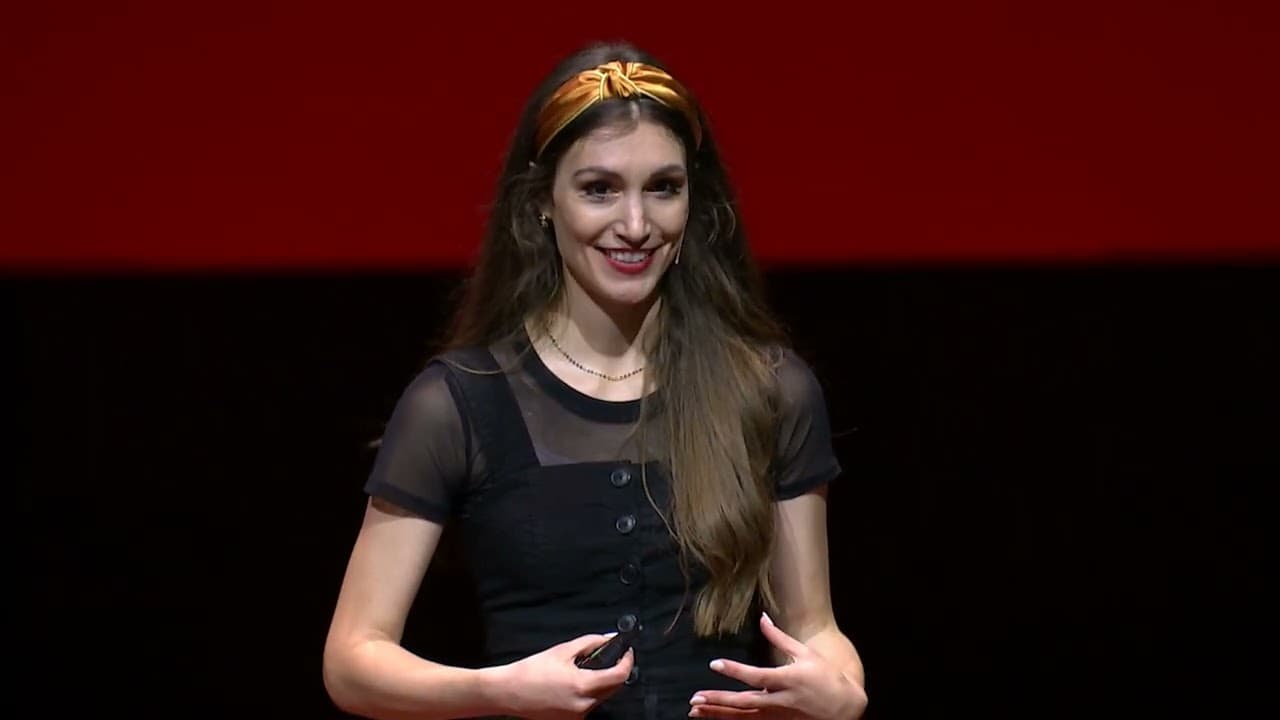
what does sound look like to you that's right I asked what sound looks like to you I see colors when I hear sounds and you might too without even realizing it I'll say that again I see colors when I hear sounds and you might too without even realizing it I'll explain what I mean my name is Sarah and I'm an abstract artist with a background in neuro... Read More
Key Insights
- ❓ Synesthesia is more common than previously believed, with approximately 2 to 5% of the population experiencing it.
- 🖤 Many individuals with synesthesia, including the author, feel isolated and keep their experiences to themselves due to a lack of understanding and awareness.
- 🖤 Synesthesia can impact daily life, including school performance, and may result in misdiagnosis or lack of support.
- 🧠 The introduction of brain imaging in the 70s and 80s provided visual evidence of synesthesia, but this understanding has not widely spread.
- 😒 There is currently only one standardized assessment for synesthesia, limiting its use in educational and medical settings.
- 💨 Synesthesia is believed to be caused by hyperconnectivity in the brain, with neural connections that are normally pruned away remaining intact.
- 👯 Many people can relate to the concept of senses being linked, even if they do not have synesthesia.
Install to Summarize YouTube Videos and Get Transcripts
Explore YouTube Video Summarizer or Get YouTube Transcript Extractor
Questions & Answers
Q: What is synesthesia?
Synesthesia is a condition where one sense triggers another, causing individuals to have sensory experiences such as seeing colors when hearing sounds.
Q: How common is synesthesia?
Approximately 2 to 5% of the world's population has synesthesia, making it more common than having red hair.
Q: Why is synesthesia often misunderstood or misdiagnosed?
Synesthesia was believed to be rare until recent research using brain imaging. Misconceptions and stigma associated with the condition also contribute to its misunderstanding.
Q: How does synesthesia affect individuals in school?
Synesthesia can cause sensory overload and distraction in school settings, making it difficult to focus on tasks or tests. This can result in challenges and the need for accommodations.
Summary & Key Takeaways
-
Synesthesia is a condition where senses are triggered by other senses, causing individuals to see colors, patterns, textures, and movement when hearing sounds.
-
Approximately 2 to 5% of the world's population has synesthesia, making it more common than having red hair.
-
The lack of awareness and understanding of synesthesia leads to misdiagnosis and isolation, as individuals often keep their experiences to themselves.
Read in Other Languages (beta)
Share This Summary 📚
Summarize YouTube Videos and Get Video Transcripts with 1-Click
Try YouTube Summary with ChatGPT & Claude or YouTube Transcript Generator
Explore More Summaries from TEDx Talks 📚






Summarize YouTube Videos and Get Video Transcripts with 1-Click
Try YouTube Summary with ChatGPT & Claude or YouTube Transcript Generator