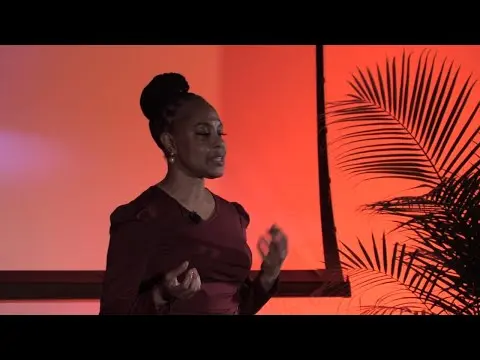
How Colorism impacted my life | Luca Rivera | TEDxDixwell

TL;DR
Colorism damaged Luca Rivera’s self-esteem by turning repeated questions about being light-skinned into insecurity, self-judgment, and withdrawal from school participation and self-expression. Beginning at age six, these experiences made Rivera devalue features once appreciated, including curly hair and bright eyes. Learning about colorism in seventh grade and practicing daily self-affirmation helped Rivera begin reclaiming that value. Read on for the personal, historical, and social context behind this change.
Transcript
[Applause] when I was six years old I was in the first grade and one day I was asked a question that would drastically change the way that I viewed myself at first I didn't know how to feel about this question but then it was asked again and then again being asked this question several times began to take a toll on me and became one of the driving ... Read More
Key Insights
- 🤳 Colorism can lead to deep insecurities and self-judgment, impacting one's self-esteem and self-expression.
- 💁 Colorism is a form of discrimination and prejudice that has historical roots and continues to affect various communities today.
- 🙂 The experiences of individuals with lighter skin color in relation to colorism are often overlooked and not well-documented.
Install to Summarize YouTube Videos and Get Transcripts
Explore YouTube Video Summarizer or Get YouTube Transcript Extractor
Questions & Answers
Q: How did colorism impact Luca Rivera’s life?
Repeated questions about why Rivera was “so light-skinned” created insecurity and changed how Rivera viewed personal qualities and physical features. Rivera participated less in school, avoided putting themself on display, and began judging traits that had once inspired pride.
Q: When did Luca Rivera first experience colorism?
Rivera was six years old and in first grade when first asked why they were “so light-skinned.” The question was repeated several times and became a driving force behind insecurities that continued afterward.
Q: What deeper meanings did the question “Why are you so light-skinned?” carry for Rivera?
Rivera understood it as also asking why they acted light-skinned. In Rivera’s experience, that implied being soft, cocky, pretty, or entitled and intensified the pressure not to show weakness or vulnerability as a young Afro-Latino in America.
Q: How did colorism affect Rivera’s behavior at school?
Rivera had been confident in their intelligence, frequently read books, participated in school, and expressed artistic interests. As the comments continued, Rivera participated less and became reluctant to put themself on display in any form.
Q: What is colorism according to Luca Rivera’s TEDxDixwell talk?
Rivera defines colorism as discrimination or prejudice against a person’s skin tone or color. Rivera learned the term during a seventh-grade school unit that examined racial tensions in earlier history.
Q: What statistics does Rivera cite about skin tone among Latinos?
Rivera cites a Pew Research Center study in which 62 percent of Hispanics said darker skin hurts Latinos’ ability to get ahead. The talk also states that 59 percent of Latinos said lighter skin helps their ability to get ahead.
Q: How does Rivera connect colorism to American history?
Rivera says colorism was reinforced in the early 16th century when white American slave masters pitted lighter-skinned enslaved people against darker-skinned enslaved people. Darker-skinned people were often assigned difficult field labor, while lighter-skinned people were viewed as better suited for housework, although both groups suffered severe abuse.
Q: How did Rivera begin rebuilding self-esteem after experiencing colorism?
During the pandemic, conversations with Rivera’s mother and a school unit on racial tensions helped Rivera examine these experiences. Rivera then practiced saying something kind about themself every morning and began finding value again in features they had grown to hate.
Summary
In this video, the speaker shares their personal experience of being asked why they are so light-skinned and how it impacted their self-esteem and sense of identity. They talk about the deeper meanings behind this question and how it relates to societal pressures and expectations. The speaker also discusses the concept of colorism, its historical roots, and its effects on different communities. They emphasize the importance of recognizing and addressing discrimination based on skin color, highlighting the need for self-acceptance and respect for others.
Questions & Answers
Q: How did being asked why they are so light-skinned affect the speaker?
Being repeatedly asked this question took a toll on the speaker and became one of the driving forces of their insecurities. It made them question their worth and led to a self-deprecating mindset. They started judging themselves and their physical appearance, feeling as though their light skin only added to society's pressures placed on them.
Q: How did the pandemic and online learning help the speaker reflect on their experiences?
During the pandemic, the speaker had more conversations with their mother about school and past events. This reflection period allowed them to unravel the many tensions and insecurities in their life. Additionally, they had a school unit that focused on racial tensions, which introduced them to the concept of colorism and helped them better understand their experiences.
Q: What is colorism?
Colorism is the discrimination or prejudice against a person based on their skin tone. It is an issue that has been present in society even before America was formed as a nation. Colorism negatively affects individuals across generations, and there is still a lack of information about this subject, including its practices and effects on others.
Q: How does colorism affect dark-skinned people?
Studies have shown that colorism significantly impacts dark-skinned individuals. For instance, a study conducted by Pew Research Center found that 62% of Hispanics believe that having a darker skin color hinders opportunities, while 59% believe that lighter skin tone helps in getting ahead. Various media outlets have also portrayed the narrative of how colorism affects darker-skinned people.
Q: Why is colorism deeply rooted in American history?
Colorism has deep historical roots in America. During the early 16th century, white American slave masters strategically created divisions among slaves based on their skin tone. Dark-skinned slaves were subjected to immense physical abuse, sold at auctions, separated from their families, and faced various atrocities. Light-skinned slaves, on the other hand, were considered more attractive and were often assigned to housework or faced sexual abuse from their masters. These oppressive practices have had long-lasting effects on the treatment of individuals with different skin tones within the black community.
Q: Are there differences in experiences between dark-skinned and light-skinned individuals?
While there is significant data to support the oppressive effects of colorism against dark-skinned people, the experiences of light-skinned individuals like the speaker often go unnoticed. Though there may be a lack of articles or sources, many personal accounts online and in the speaker's own life corroborate how having a lighter skin color can negatively affect treatment within ethnic communities. Each experience is unique, and it is vital to listen to and acknowledge the stories of individuals from all backgrounds.
Q: What is the speaker's perspective on understanding experiences of darker-skinned individuals?
The speaker acknowledges that they may never fully understand the experiences of people with darker skin. However, they stress that it is crucial to recognize the injustice and discrimination faced by anyone based on the color of their skin. They advocate for self-reflection and self-acceptance, as well as a change in societal perspectives towards ourselves and others.
Q: How did the speaker overcome their insecurities and embrace their identity?
The speaker began to reevaluate the way they thought about themselves and others. They made a conscious effort to practice self-affirmation and find value in the features they used to dislike. By appreciating themselves and their identity, they grew proud of being light-skinned and developed a strong sense of self-worth.
Takeaways
The video highlights the damaging effects of colorism and the need for addressing discrimination based on skin color. It emphasizes the importance of self-acceptance and respect for others, regardless of their skin tone. By reevaluating the way we view ourselves and others, we can create a more inclusive society. It is crucial to listen to diverse experiences and work towards dismantling systems of oppression.
Summary & Key Takeaways
-
The speaker recounts being repeatedly asked why they are "so light-skinned," which led to deep insecurities and self-judgment.
-
They discovered the concept of colorism during a school unit on racial tensions, learning about the discrimination and prejudice based on skin tone.
-
Colorism has historical roots in slavery, where light-skinned slaves were favored by white slave masters, and it continues to impact different communities today.
Read in Other Languages (beta)
Share This Summary 📚
Summarize YouTube Videos and Get Video Transcripts with 1-Click
Try YouTube Summary with ChatGPT & Claude or YouTube Transcript Generator
Explore More Summaries from TEDx Talks 📚





Summarize YouTube Videos and Get Video Transcripts with 1-Click
Try YouTube Summary with ChatGPT & Claude or YouTube Transcript Generator