Why Are Global Supply Chains Changing Post-Pandemic?
TL;DR
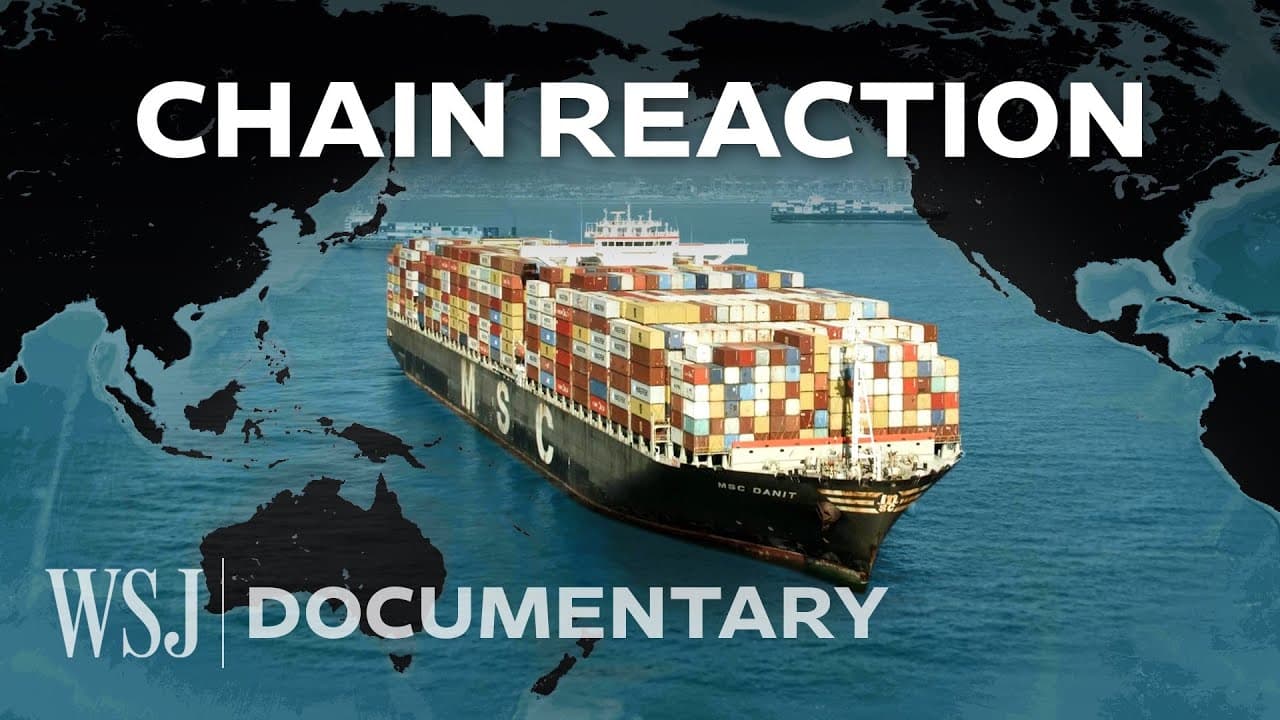
Global supply chains are changing due to the pandemic's impact, which exposed vulnerabilities and led to unexpected demand surges. Key infrastructure like ports and trucking are grappling with congestion and labor shortages, causing delays and increased costs. Many companies are now considering reshoring manufacturing to improve resilience against future disruptions.
Transcript
- [Man] Look at this. Sold out, can you believe this stuff? - So they were supposed to deliver it in October. - This is going to be an update on the kettlebell shortage of 2020. - I just want my shoe. Gimme my shoe, please. - Then it was supposed to be November. No. Then December. - Get me my PlayStation. Am I wrong for wanting this, bro? - I mean,... Read More
Key Insights
- 🥺 The pandemic significantly shifted consumer buying patterns, leading to unpredicted spikes in demand that supply chains struggled to meet.
- 😥 Ports and shipping routes are increasingly seen as single points of failure, making the entire global supply system vulnerable to disruptions.
- 😀 The trucking industry faces a labor crisis that is likely to worsen, hampering logistics efficiency and delivery timelines.
- 💗 E-commerce has dramatically changed fulfillment expectations, necessitating innovative strategies in warehouse operations and technology integration to handle growing demand.
- 😀 Last mile delivery becoming dominated by contractors highlights the shift towards less stable employment arrangements within the logistic sector.
- 🙂 Consumers now experience intermittent shortages and rising prices, changing their perception of available goods in light of supply chain fragility.
- 🌐 Companies are investing in local production and manufacturing facilities to reduce reliance on global supply chains and enhance responsiveness.
Install to Summarize YouTube Videos and Get Transcripts
Explore YouTube Video Summarizer or Get YouTube Transcript Extractor
Questions & Answers
Q: What caused the unexpected strain on supply chains during the pandemic?
Initially, businesses anticipated a drop in demand due to the COVID recession. However, consumer behavior shifted dramatically; demand surged instead. This boom overwhelmed existing supply chains, which struggled to adapt, causing shortages and increased prices for everyday goods.
Q: How do global shipping practices contribute to supply chain complexity?
The global shipping process involves complex logistics, where goods travel thousands of miles through various ports, relying on a coordinated network of transportation methods. The intricacy of this system means that delays at any point, such as congested ports, can significantly impact the entire supply chain.
Q: What are the implications of the current trucking labor shortage on supply chains?
The trucking industry is facing a significant driver shortage, projected to worsen in the coming years. This lack of drivers can lead to supply chain paralysis, as it hampers the timely movement of goods to retailers and consumers, affecting availability and pricing.
Q: In what ways are companies addressing the challenges posed by increased demand for e-commerce?
To cope with the surge in e-commerce, companies are optimizing their fulfillment centers through automation and robotics. These technologies help manage the increase in volume and speed up the processing of orders, all while trying to retain a skilled workforce amid labor challenges.
Q: How has the pandemic affected consumer expectations of goods and services?
Consumers now expect rapid delivery for products, a shift from traditional shopping. This expectation places tremendous pressure on supply chains, demanding faster transportation and fulfillment processes, which may not always be sustainable under current operational constraints.
Q: What are "last mile" delivery challenges and why are they significant?
Last mile delivery involves transporting products from fulfillment centers to consumers' doorsteps. This stage faces unique challenges, such as the need for high speed and efficiency while ensuring safety and managing the physical demands on workers, leading to high turnover rates.
Q: How does the structure of the contemporary logistics workforce differ from past norms?
Many logistics jobs today are less stable and lower paid compared to previous decades, particularly after the deregulation of trucking. Workers often face challenging conditions, few benefits, and limited career advancement, contributing to high turnover rates in the industry.
Q: What insights can be drawn from the possibility of reshoring manufacturing?
While reshoring could offer more resilience and reduce vulnerabilities exposed by the pandemic, it relies on evaluating the cost differentials between domestic and offshore manufacturing, presenting both economic and logistical challenges that need careful consideration.
Summary & Key Takeaways
-
The COVID-19 pandemic caused unexpected surges in demand, overwhelming global supply chains that previously operated under assumptions of endless efficiency.
-
Key infrastructure such as ports and trucking services faced congestion and labor shortages, exacerbating delays in product deliveries and increasing costs for consumers.
-
Companies are now considering reshoring manufacturing to the U.S. to reduce reliance on long supply chains, aiming to enhance resilience against future disruptions.
Read in Other Languages (beta)
Share This Summary 📚
Summarize YouTube Videos and Get Video Transcripts with 1-Click
Try YouTube Summary with ChatGPT & Claude or YouTube Transcript Generator
Explore More Summaries from The Wall Street Journal 📚






Summarize YouTube Videos and Get Video Transcripts with 1-Click
Try YouTube Summary with ChatGPT & Claude or YouTube Transcript Generator