What Skills Build Lasting Success and Wealth?
TL;DR
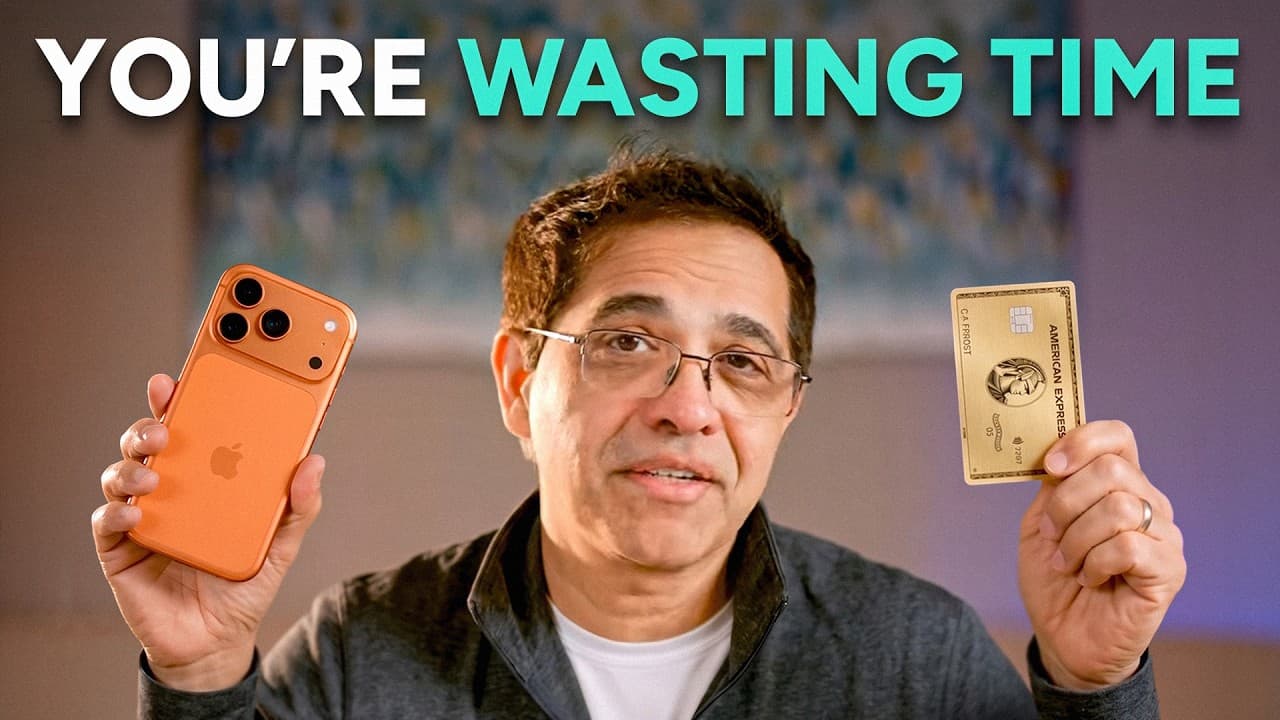
Long-term success comes from strengthening three relationships: the one you have with yourself, with other people, and with reality. Build self-trust through difficult action and recovery, influence others through credible and caring communication, understand money and compounding, and sharpen judgment through critical thinking and lifelong learning in an age increasingly shaped by AI.
Transcript
These are six things every high performer needs to know how to do. And I mean, you have to really do them, not just read about them or watch videos. Practice doing them. We don't learn about these in school or at work because no one teaches them. I've lived through enough lives to know which ones move the needle. You know, I started as a monk in tr... Read More
Key Insights
- High performance is the combined strength of three relationships: your relationship with yourself, with other people, and with reality. Neglecting any one of them limits the value of the other two, so durable success requires developing all three together.
- Self-trust is more durable than confidence because it does not depend on expecting a favorable outcome. It is the belief that even without knowing the answer, you can figure things out, respond to difficulty, and recover when results disappoint you.
- The proof pyramid builds self-trust through action, integrity, and recovery. Its foundation is doing one avoided difficult thing, its middle is keeping a small daily promise to yourself, and its peak is returning after failure, rejection, or embarrassment.
- Failure feels overwhelming when the mind labels it personal, permanent, or pervasive. Recognizing these three interpretations makes it easier to separate a specific setback from personal worth, future prospects, and performance in every other area of life.
- Useful mistakes are evidence that a person is taking meaningful chances and gathering feedback. The goal is not reckless failure, but repeated attempts that reveal what needs refinement, while portfolio thinking limits and diversifies risks so one incorrect bet remains survivable.
- Effective selling is based on credibility rather than manipulative tactics. People resist tricks and respond to believable advocates who understand what they want, connect an offering to that desire, speak honestly about limitations, and make a better future feel emotionally real.
- The CARE framework defines influence through curiosity, alignment, reliability, and emotion. Curiosity uncovers deeper motives, alignment connects needs with an offering, reliability earns trust through truthfulness, and emotion helps people imagine the transformation they actually want.
- Long-term self-reliance requires financial literacy, judgment, and lifelong learning alongside resilience and influence. Compounding improves how people think about money, while stronger thinking and continuous learning support better decisions in a world increasingly shaped by artificial intelligence.
Install to Summarize YouTube Videos and Get Transcripts
Explore YouTube Video Summarizer or Get YouTube Transcript Extractor
Questions & Answers
Q: How can I build self-trust instead of chasing confidence?
Build self-trust by creating three kinds of proof. First, take one small difficult action you have been avoiding. Second, make a small promise to yourself and keep it every day. Third, return after a failure, rejection, or embarrassment. Confidence depends on believing an outcome will go well, while self-trust comes from knowing you can figure things out and recover even when it does not.
Q: What is the proof pyramid for building confidence?
The proof pyramid is a framework with three levels. Proof of action forms the base and comes from doing a small hard thing you have avoided. Proof of integrity sits in the middle and comes from keeping a daily promise to yourself. Proof of recovery is at the top because returning after failure, rejection, or embarrassment gives your mind evidence that setbacks do not have to stop you.
Q: How can I fail without feeling like a failure?
Separate the event from your identity by noticing three misleading interpretations: the failure is personal, permanent, or pervasive. Then focus on useful mistakes that provide feedback, take multiple limited risks instead of staking everything on one outcome, and remember that superficial definitions of success and failure are temporary. A setback can teach you without proving that something is fundamentally wrong with you.
Q: What are useful mistakes, and why do they matter?
Useful mistakes are unsuccessful attempts that generate feedback and help refine your approach. They are different from reckless mistakes because the risks are considered, limited, and survivable. A very low rejection rate may indicate that you are not making enough attempts. Repeated useful failures can improve your work while teaching you that rejection is an event to respond to, not an identity you must accept.
Q: How does portfolio thinking reduce the risk of failure?
Portfolio thinking treats personal risks like a collection of separate bets rather than one decisive gamble. You can take chances while controlling their size, limiting potential damage, and diversifying across several opportunities. Some attempts may fail, but no single incorrect decision has to become catastrophic. The purpose is not to avoid uncertainty, but to remain capable of continuing when an outcome goes against you.
Q: How can I become better at selling ideas or products?
Become more credible rather than relying mainly on tactics. Start with genuine curiosity about what the other person wants beneath the surface. Align what you offer with that deeper desire, communicate truthfully about both strengths and limitations, and help the person feel the future version of themselves that the offer supports. People resist obvious tricks, but they can respond to trust, relevance, and believable transformation.
Q: What does the CARE framework mean in selling?
CARE stands for curiosity, alignment, reliability, and emotion. Curiosity discovers the deeper motive behind a stated request. Alignment connects that motive with what you can provide. Reliability comes from telling the truth, explaining what you believe, and acknowledging what a product cannot do. Emotion makes the desired future tangible, because facts may create agreement while feelings are more likely to inspire movement.
Q: Which skills support long-term success in the age of AI?
Long-term success requires self-trust, resilience after failure, credible influence, the ability to build other people, financial literacy, and better judgment. These skills strengthen your relationships with yourself, other people, and reality. Understanding compounding improves thinking about money, while critical thinking and lifelong learning help you make stronger decisions as artificial intelligence increasingly shapes work and the wider world.
Summary & Key Takeaways
-
High performance depends on relationships with yourself, other people, and reality. Self-trust grows through three forms of proof: taking a small difficult action, keeping a daily promise to yourself, and recovering after failure, rejection, or embarrassment. Confidence may fluctuate with results, but self-trust supports lasting resilience.
-
Failure becomes destructive when it is interpreted as personal, permanent, or pervasive. A healthier approach welcomes useful mistakes, treats multiple risks as a diversified portfolio, and remembers that conventional success and failure are temporary. These perspectives help a person learn from setbacks without turning a failed attempt into a failed identity.
-
Working effectively with others requires credible selling and supportive leadership, while engaging with reality requires financial literacy and sound judgment. Selling follows curiosity, alignment, reliability, and emotion. Better long-term decisions also depend on understanding compounding, improving thinking, and remaining a lifelong learner as AI changes the world.
Read in Other Languages (beta)
Share This Summary 📚
Summarize YouTube Videos and Get Video Transcripts with 1-Click
Try YouTube Summary with ChatGPT & Claude or YouTube Transcript Generator
Explore More Summaries from Sandeep Swadia 📚

Summarize YouTube Videos and Get Video Transcripts with 1-Click
Try YouTube Summary with ChatGPT & Claude or YouTube Transcript Generator