Housing Inventory "In the Gutter" as Recession Fears Grow
TL;DR
Housing market faces uncertainty with falling prices and low inventory.
Transcript
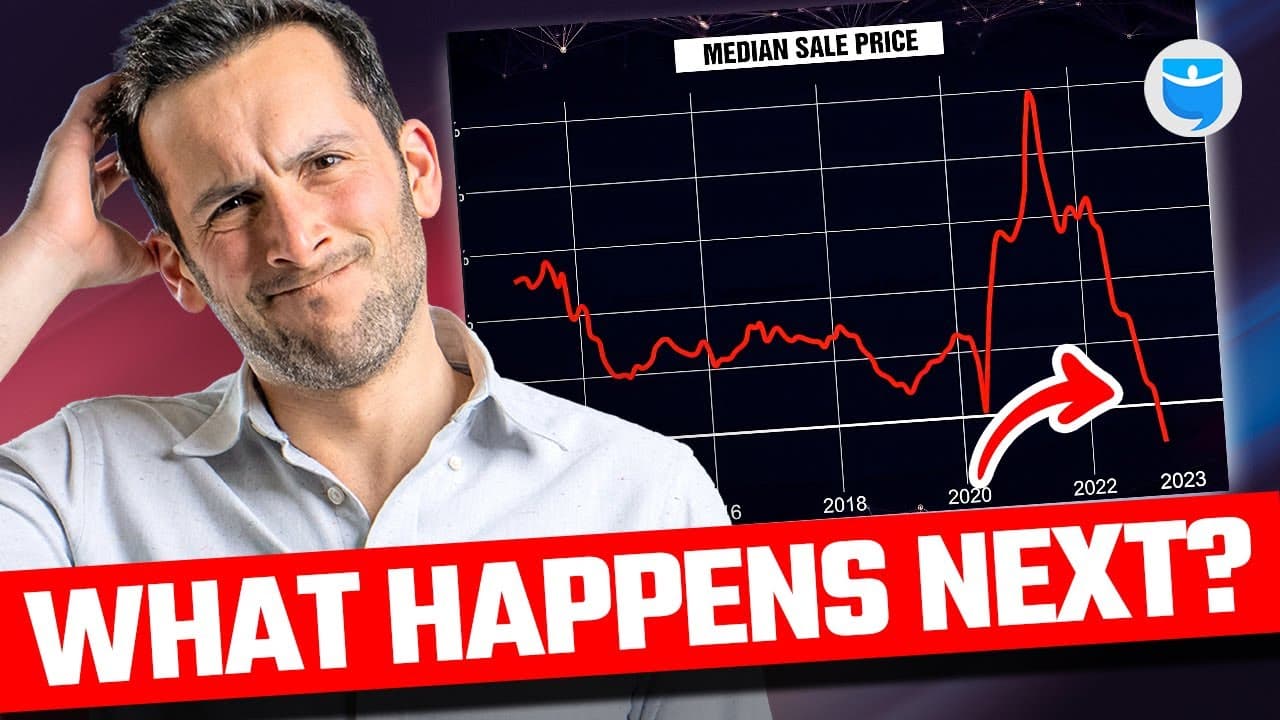
in January we saw this big spike in activity then in February things slowed down again now it's picking back up again inventory is not just leveled off it is fallen in January it fell in February it fell in March will the median sales price continue to fall year over year on this trajectory this very steep declining trajectory we've seen over the l... Read More
Key Insights
- Housing inventory has significantly decreased since January, contradicting expectations of a market crash due to rising interest rates.
- The Federal Reserve is likely to continue raising interest rates as core CPI remains high, despite overall inflation showing a decline.
- The labor market remains strong with low unemployment rates, despite high-profile layoffs in tech and finance sectors.
- GDP growth suggests the U.S. is not currently in a recession, but economic indicators hint at a potential future downturn.
- New housing listings have drastically fallen, contributing to low inventory levels and affecting the housing market equilibrium.
- Mortgage rates have stabilized around 6.5%, providing some affordability relief, though rates are still double compared to last year.
- Real estate investors are advised to negotiate and seek value-add opportunities to mitigate potential price declines.
- Commercial real estate, particularly office and retail, faces significant price drops, with potential declines in multi-family properties as well.
Install to Summarize YouTube Videos and Get Transcripts
Explore YouTube Video Summarizer or Get YouTube Transcript Extractor
Questions & Answers
Q: What is the current state of housing inventory?
Housing inventory has significantly decreased since January, contrary to expectations of a market crash. This decline is driven by a reduction in new listings, despite rising interest rates. The low inventory levels have prevented a steep decline in housing prices, maintaining some market equilibrium despite reduced demand.
Q: How is inflation currently affecting the housing market?
Inflation has been decreasing overall, but the core CPI remains high, prompting the Federal Reserve to likely continue raising interest rates. This impacts the housing market by affecting mortgage rates and affordability, influencing buyer behavior, and contributing to the current market correction and price declines.
Q: What is the labor market's role in the current economic climate?
The labor market remains strong with low unemployment rates, despite high-profile layoffs in the tech and finance sectors. This robustness supports the Federal Reserve's decision to continue raising interest rates to combat inflation, as employment levels remain high, maintaining economic stability amidst other uncertainties.
Q: Is the U.S. currently in a recession?
GDP growth indicates that the U.S. is not currently in a recession, as the economy has grown for the last two quarters. However, several economic indicators, such as rising interest rates and labor market distress signals, suggest a potential future downturn, with economists predicting a possible recession by late 2023 or early 2024.
Q: What impact do new housing listings have on the market?
New housing listings have drastically fallen, contributing to the low inventory levels in the market. This reduction in supply, despite decreased demand, has helped maintain some price stability, preventing a more severe market crash and influencing the overall dynamics of the housing market.
Q: How have mortgage rates changed recently?
Mortgage rates have stabilized around 6.5%, offering some relief in affordability for buyers. Although rates are still double compared to the previous year, this stabilization has encouraged some buyers to re-enter the market, contributing to the recent uptick in housing activity despite ongoing economic uncertainties.
Q: What strategies should real estate investors consider in this market?
Real estate investors are advised to negotiate and seek value-add opportunities to mitigate potential price declines. By purchasing properties under market value and adding improvements, investors can protect their investments against further market corrections and capitalize on the current economic conditions.
Q: What are the prospects for commercial real estate?
Commercial real estate, particularly office and retail spaces, faces significant challenges with expected price declines of up to 30-40%. Multi-family properties may also see double-digit declines. Investors should exercise caution and carefully evaluate financing options when considering investments in the commercial real estate sector.
Summary & Key Takeaways
-
The housing market is experiencing a correction with falling prices and low inventory levels, influenced by macroeconomic factors such as inflation and interest rates. Despite high-profile layoffs, the labor market remains robust, keeping unemployment rates low. The Federal Reserve's interest rate decisions will be crucial in shaping the market's future.
-
While GDP growth indicates the U.S. is not in a recession, several economic indicators suggest a potential downturn. Housing inventory has decreased due to fewer new listings, balancing out reduced demand. Investors are encouraged to negotiate and explore value-add opportunities to navigate the uncertain market conditions.
-
Mortgage rates have stabilized, offering some affordability relief, but commercial real estate faces significant challenges with expected price declines. Investors should be cautious and strategic in their investments, considering the broader economic climate and potential impacts on housing and commercial property values.
Read in Other Languages (beta)
Share This Summary 📚
Summarize YouTube Videos and Get Video Transcripts with 1-Click
Try YouTube Summary with ChatGPT & Claude or YouTube Transcript Generator
Explore More Summaries from BiggerPockets 📚






Summarize YouTube Videos and Get Video Transcripts with 1-Click
Try YouTube Summary with ChatGPT & Claude or YouTube Transcript Generator