What Are Calcium and Magnesium Sulfates and Their Uses?
TL;DR
Calcium and magnesium sulfates cause permanent water hardness, requiring chemical treatment for softening. Calcium sulfate, or gypsum, is useful in cement production, soil conditioning, and fire-resistant materials, while magnesium sulfate, known as Epsom salt, serves in medical and agricultural applications. Barium sulfate is utilized as a safe radio contrast agent in medical imaging.
Transcript
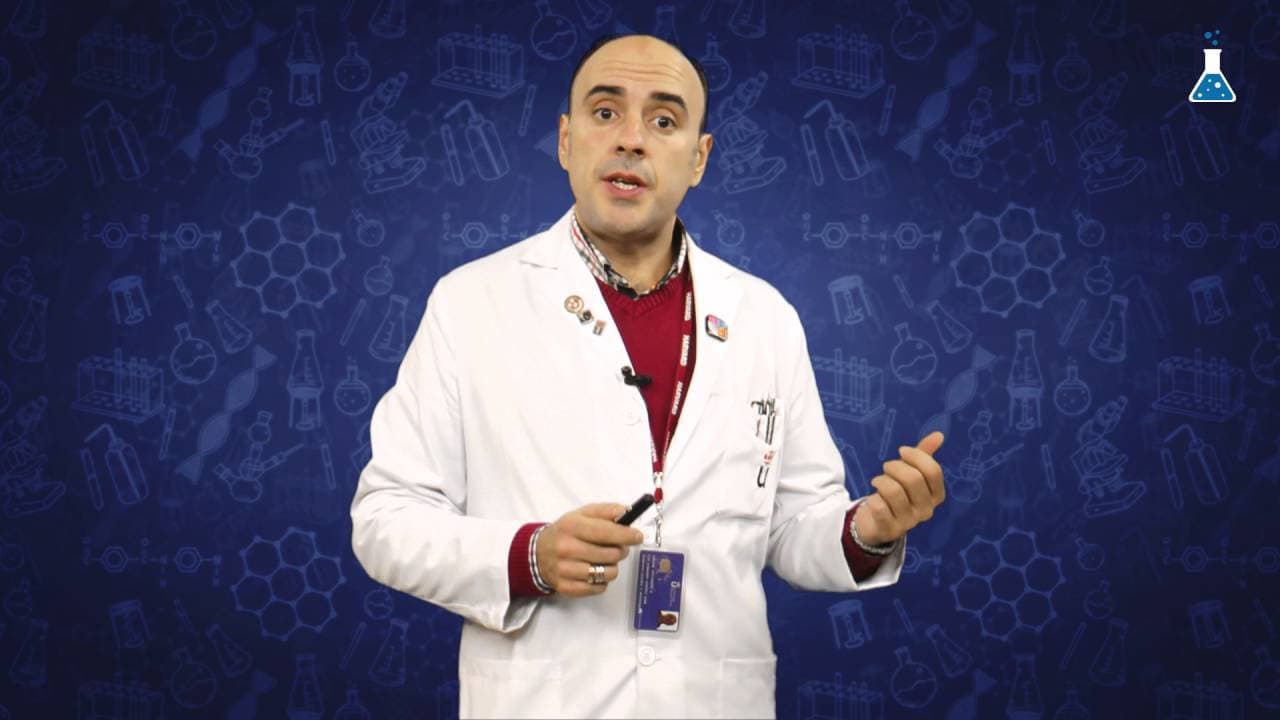
[Applause] calcium and magnesium sulfates are present in water and they are responsible of what is known as permanent harness of water water cannot be softened by boiling being necessary the use of chemical additives or by passing it through an an ion exchange resin that replace the Magnesium 2 plus and calcium 2 plus cations with sodium ions that ... Read More
Key Insights
- Calcium and magnesium sulfates are responsible for permanent water hardness, which cannot be removed by boiling and requires chemical treatment or ion exchange.
- Calcium sulfate, commonly known as gypsum, is used in cement production, soil conditioning, and as a fire-resistant material in construction due to its thermal properties.
- Gypsum, a common sedimentary rock, can be found in various forms like alabaster and is often confused with plaster of Paris, which is used in casts and building materials.
- Plaster of Paris, when mixed with water, expands and releases heat, forming strong interlocking crystals useful in medical and construction applications.
- Magnesium sulfate, known as Epsom salt, is used in medicine as a laxative and in agriculture to correct magnesium deficiencies due to its high solubility.
- Epsom salt is more potent than milk of magnesia and can cause diarrhea if overdosed, highlighting the importance of careful dosage.
- Barium sulfate is used as a radio contrast agent in medical imaging due to its low solubility and ability to absorb X-rays, despite the toxicity of barium ions.
- The addition of sodium sulfate in barium sulfate suspensions helps prevent dissolution, ensuring safe administration in medical procedures.
Install to Summarize YouTube Videos and Get Transcripts
Explore YouTube Video Summarizer or Get YouTube Transcript Extractor
Questions & Answers
Q: What causes permanent water hardness?
Permanent water hardness is caused by the presence of calcium and magnesium sulfates in water. Unlike temporary hardness, which can be removed by boiling, permanent hardness requires chemical treatment or ion exchange processes to replace calcium and magnesium ions with sodium ions, effectively softening the water.
Q: How is gypsum used in construction?
Gypsum, or calcium sulfate, is used in construction primarily as a fire-resistant material for interior walls due to its low thermal conductivity and endothermic dehydration reaction. These properties allow it to absorb heat and act as a barrier against fire, making it a cost-effective and safe building material.
Q: What is the difference between gypsum and plaster of Paris?
Gypsum is a natural mineral, while plaster of Paris is a manufactured product derived from heating gypsum to remove water. When mixed with water, plaster of Paris expands and forms strong interlocking crystals, releasing heat. This makes it suitable for medical casts and construction applications due to its strength and rigidity.
Q: Why is Epsom salt used in agriculture?
Epsom salt, or magnesium sulfate, is used in agriculture to correct magnesium and sulfur deficiencies in soil. Its high solubility ensures quick absorption by plants, making it more effective than other magnesium soil amendments. This property helps improve plant health and productivity in magnesium-deficient soils.
Q: What are the medical uses of Epsom salt?
Medically, Epsom salt is used as a laxative due to its ability to absorb water quickly, providing relief from constipation. It is also used in bath salts for muscle relaxation and as a soaking agent for sprains. However, it must be used carefully to avoid side effects like severe diarrhea.
Q: How does barium sulfate function as a radio contrast agent?
Barium sulfate is used as a radio contrast agent in medical imaging because it absorbs X-rays, enhancing the visibility of the digestive tract. Despite the toxicity of barium ions, its low solubility in water ensures safe administration. Sodium sulfate is added to prevent dissolution, maintaining its stability during procedures.
Q: What precautions are taken when using barium sulfate in medical procedures?
When using barium sulfate in medical imaging, sodium sulfate is added to the suspension to increase the concentration of sulfate ions, reducing the likelihood of barium sulfate dissolving. This ensures the compound remains insoluble, minimizing the risk of barium ion toxicity and allowing safe visualization of the gastrointestinal tract.
Q: How does plaster of Paris expand and harden?
Plaster of Paris, when mixed with water, undergoes a chemical reaction where it expands and forms long interlocking needles of hydrate compounds. This process releases heat and results in a strong, rigid structure. The interlocking crystals provide strength and durability, making it ideal for casts and construction applications.
Summary & Key Takeaways
-
Calcium and magnesium sulfates are key components in creating permanent water hardness, necessitating chemical or ion exchange methods for softening. Calcium sulfate, or gypsum, is widely used in construction and agriculture due to its beneficial properties, including fire resistance and soil conditioning capabilities.
-
Gypsum is a versatile mineral with various forms, such as alabaster, and is often confused with plaster of Paris, which forms strong, heat-releasing crystals when mixed with water. These properties make it valuable in medical casts and as a building material.
-
Magnesium sulfate, or Epsom salt, is used in medicine and agriculture due to its solubility and effectiveness in correcting magnesium deficiencies. Barium sulfate serves as a safe radio contrast agent in medical imaging, with sodium sulfate ensuring its stability.
Read in Other Languages (beta)
Share This Summary 📚
Summarize YouTube Videos and Get Video Transcripts with 1-Click
Try YouTube Summary with ChatGPT & Claude or YouTube Transcript Generator
Explore More Summaries from universidadurjc 📚

Summarize YouTube Videos and Get Video Transcripts with 1-Click
Try YouTube Summary with ChatGPT & Claude or YouTube Transcript Generator