How to Frame, Roof, and Side Your ADU From Scratch
TL;DR
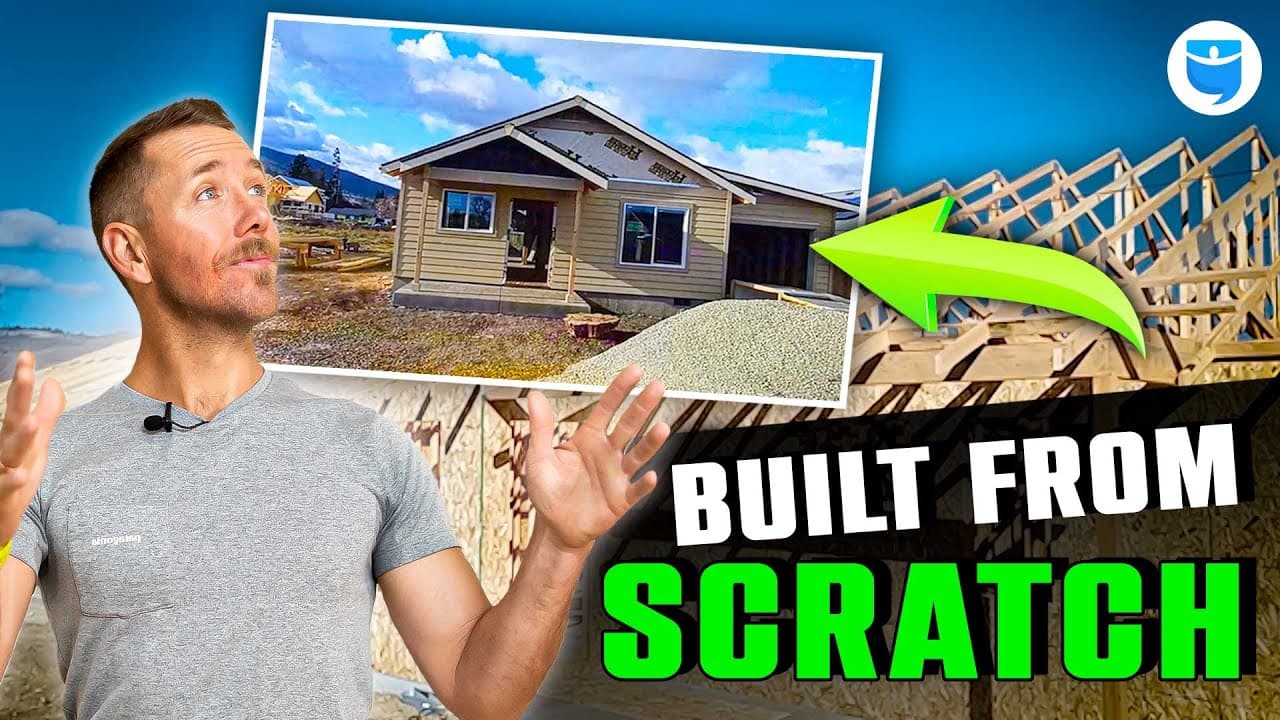
To build an accessory dwelling unit (ADU) from scratch, focus on efficient framing, roofing, and siding. Start with high-efficiency framing techniques to optimize insulation and energy use. Ensure proper material delivery and strategic planning for construction phases, emphasizing insulation to enhance the ADU's market appeal and sustainability.
Transcript
good day friends Derek that Adu guy and I'm back for phase two of this ground up accessory dwelling unit behind me if you missed phase one there's a link below where we went over site work we did all the utilities we put in that Foundation now in this video we're going to go over the actual physical vertical build process of framing I'm going to ta... Read More
Key Insights
- Derek Sherrell explains the vertical build process of an ADU, covering framing, plumbing, electrical, and HVAC systems. He emphasizes understanding these processes for both DIY builders and those hiring contractors.
- The video highlights the importance of planning material delivery to ensure efficient construction. Proper placement of materials can save time and reduce costs during the building process.
- Sherrell discusses the benefits of a crawl space foundation over a slab foundation, particularly for maintenance and repair access, which is crucial for long-term sustainability.
- Framing techniques are detailed, including high-efficiency framing with 24-inch centers that allow for more insulation and less wood usage, optimizing energy efficiency.
- The video covers roofing methods, comparing truss roofs and stick frame roofs, and demonstrates the process of setting a ridge beam and attaching roof rafters.
- Siding and trim installation are discussed, with tips on marking stud locations on house wrap for precise nailing, and the importance of weather considerations in scheduling exterior work.
- Sherrell emphasizes the value of thorough insulation, using R23 fiberglass and rigid foam, to create a high-efficiency building that reduces energy costs and enhances market appeal.
- The video concludes with a preview of the next construction phase, highlighting the importance of controlling airflow and ensuring a high-efficiency build as an asset in the ADU market.
Install to Summarize YouTube Videos and Get Transcripts
Explore YouTube Video Summarizer or Get YouTube Transcript Extractor
Questions & Answers
Q: What are the advantages of a crawl space foundation over a slab foundation?
A crawl space foundation offers significant advantages over a slab foundation, primarily in terms of maintenance and accessibility. With a crawl space, you can easily access plumbing, electrical, and HVAC systems for repairs or upgrades without major disruptions. This flexibility is crucial for long-term sustainability and can save time and costs associated with potential repairs.
Q: How does high-efficiency framing contribute to an ADU build?
High-efficiency framing involves using 24-inch centers, allowing for more insulation and less wood usage. This method optimizes energy efficiency by reducing thermal bridging and increasing insulation capacity. It not only lowers heating and cooling costs but also enhances the overall sustainability of the ADU, making it more appealing in the real estate market.
Q: Why is planning material delivery important in construction?
Proper planning of material delivery is crucial in construction as it directly impacts efficiency and cost-effectiveness. By strategically placing materials close to their point of use, builders can minimize the time and labor required for handling and moving them. This systematic approach reduces delays, enhances workflow, and ultimately lowers construction costs.
Q: What are the benefits of using R23 fiberglass insulation?
R23 fiberglass insulation provides excellent thermal resistance, contributing to a high-efficiency building envelope. It helps maintain consistent indoor temperatures, reducing the need for heating and cooling. This insulation type is particularly beneficial in colder climates, as it minimizes heat loss, leading to lower energy bills and increased comfort for occupants.
Q: How does a stick frame roof differ from a truss roof?
A stick frame roof is built on-site using individual components, such as a supporting ridge beam and roof rafters, offering flexibility in design and construction. In contrast, a truss roof involves prefabricated triangular units that are set onto the walls. Stick framing allows for custom designs and adaptations, while trusses provide quick installation and structural consistency.
Q: What considerations are important for siding installation?
When installing siding, it's crucial to mark stud locations on the house wrap for precise nailing, ensuring structural stability. Additionally, weather conditions should be considered, as painting and caulking require specific temperatures to cure properly. Proper flashing and sealing are essential to prevent moisture intrusion and ensure the longevity of the siding.
Q: Why is controlling airflow important in an ADU build?
Controlling airflow in an ADU build is vital for maintaining energy efficiency and indoor air quality. Proper sealing and insulation prevent unwanted air exchange, reducing energy loss and improving thermal comfort. This control also helps manage humidity levels, minimizing the risk of mold growth and enhancing the durability of the building materials.
Q: What role does insulation play in the market appeal of an ADU?
Insulation significantly enhances the market appeal of an ADU by contributing to energy efficiency, reducing utility costs, and providing a comfortable living environment. A well-insulated ADU stands out in the market as it offers long-term savings for tenants and aligns with sustainable building practices, making it an attractive investment for potential buyers or renters.
Summary & Key Takeaways
-
Derek Sherrell, known as That ADU Guy, provides a comprehensive guide to building an accessory dwelling unit (ADU) from scratch, focusing on the framing, roofing, and siding processes. He offers insights into planning and executing these construction phases efficiently, whether you're building yourself or overseeing contractors.
-
The video covers the benefits of a crawl space foundation for maintenance access, the importance of strategic material delivery, and detailed framing techniques. Sherrell explains high-efficiency framing methods that optimize insulation and energy efficiency, crucial for a sustainable and cost-effective ADU build.
-
Sherrell also delves into roofing and siding techniques, emphasizing the need for careful planning and execution. He discusses the importance of proper insulation to enhance the energy efficiency and market appeal of an ADU, setting the stage for the next phase of interior construction and finishing.
Read in Other Languages (beta)
Share This Summary 📚
Summarize YouTube Videos and Get Video Transcripts with 1-Click
Try YouTube Summary with ChatGPT & Claude or YouTube Transcript Generator
Explore More Summaries from BiggerPockets 📚





Summarize YouTube Videos and Get Video Transcripts with 1-Click
Try YouTube Summary with ChatGPT & Claude or YouTube Transcript Generator