How Does CO2 Affect Ocean Acidity?
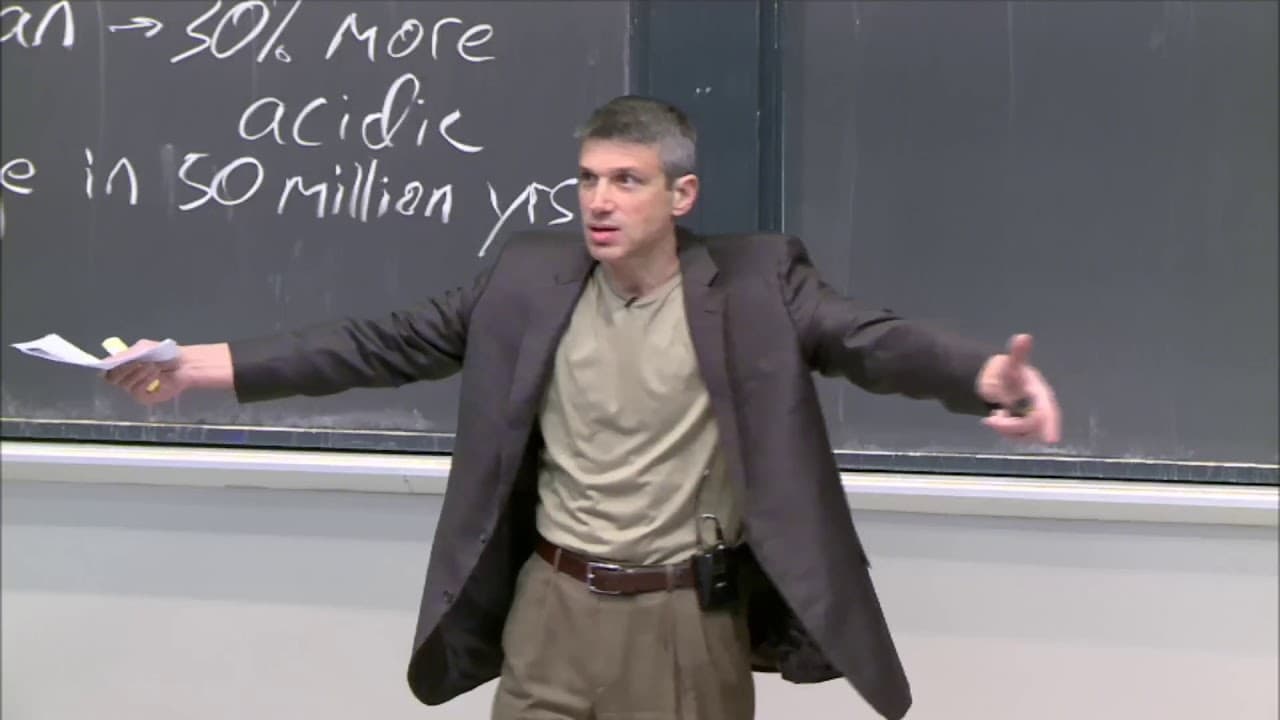
TL;DR
The rise in atmospheric carbon dioxide is directly increasing ocean acidity, which has become 30% more acidic over the past 200 years. This rapid change threatens marine life, particularly species with calcium carbonate shells, as they struggle to survive in the increasingly acidic waters.
Transcript
This is something some of you may have seen. The data here in from the '50s is from the Mauna Loa measurements, the top of a volcano. And this is CO2 concentration, parts per million in the atmosphere. But if you dig into the ice-- we're going to be doing a lot of that here in Boston over the next three months. But if you dig deeper into the ice, i... Read More
Key Insights
- 😮 CO2 levels in the atmosphere have been steadily increasing for centuries, with a significant rise in the past 50 years.
- 🌊 The increased CO2 in the ocean leads to ocean acidification.
- 🌊 Ocean acidification is causing the ocean to become 30% more acidic over the past 200 years.
- 😋 The acidification of the ocean has the potential to disrupt the marine food chain and lead to the extinction of certain species.
- 🛟 Observing the effects of ocean acidification in a laboratory setting can help understand its impact on marine life.
- 😒 The use of citric acid in water allows for a quicker simulation of acidity, enabling students to observe the dissolution of shells.
- ☠️ The changes in the ocean's chemistry due to increased CO2 levels are happening at an unprecedented rate.
Install to Summarize YouTube Videos and Get Transcripts
Explore YouTube Video Summarizer or Get YouTube Transcript Extractor
Questions & Answers
Q: How do scientists determine carbon dioxide levels from hundreds of thousands of years ago?
Scientists can analyze ice cores and extract ancient atmosphere samples trapped as bubbles in the ice, allowing them to track CO2 levels over time.
Q: How is the increase in CO2 in the ocean affecting its acidity?
The absorption of CO2 by the ocean is making it more acidic, with a 30% increase in acidity over the past 200 years, the fastest-known change in ocean chemistry in millions of years.
Q: Why does ocean acidification pose a threat to marine life?
Marine organisms with calcium carbonate shells, such as pteropods, cannot survive in more acidic conditions, which disrupts the food chain and can lead to the disappearance of species.
Q: How can we observe the effects of ocean acidification in a laboratory setting?
By using citric powder in water to simulate acidity, students can witness the dissolution of calcium carbonate shells, mimicking the effects of ocean acidification.
Summary & Key Takeaways
-
Carbon dioxide (CO2) concentrations in the atmosphere have been increasing over the past centuries.
-
The increase in CO2 in the atmosphere is also being absorbed by the ocean, leading to increased acidity.
-
Ocean acidification is having a detrimental impact on marine life, particularly organisms with calcium carbonate shells.
Read in Other Languages (beta)
Share This Summary 📚
Summarize YouTube Videos and Get Video Transcripts with 1-Click
Try YouTube Summary with ChatGPT & Claude or YouTube Transcript Generator
Explore More Summaries from MIT OpenCourseWare 📚


Summarize YouTube Videos and Get Video Transcripts with 1-Click
Try YouTube Summary with ChatGPT & Claude or YouTube Transcript Generator