How to Find Your Personal Interior Design Style
TL;DR
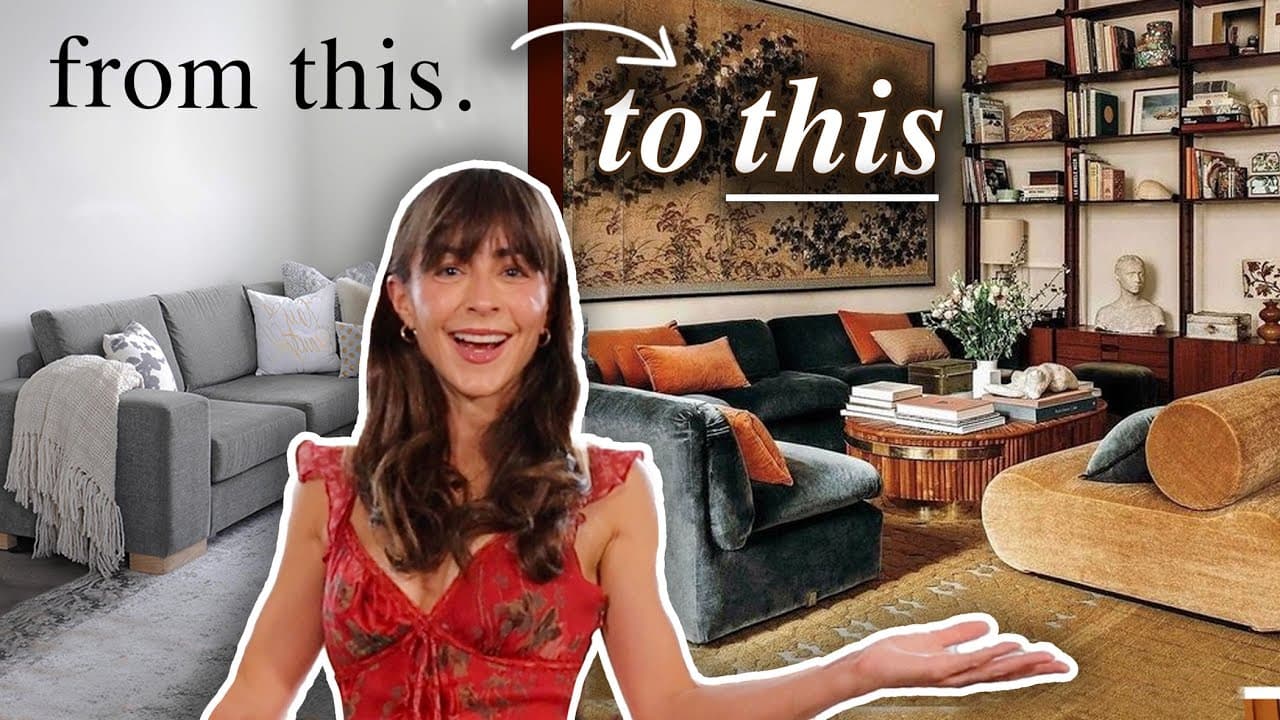
Find your interior design style by reviewing varied inspiration, identifying three to five descriptive words, and narrowing favorite images into a small North Star collection. Use that reference whenever you consider furniture or decor, asking whether each item supports the desired mood rather than whether it fits a single, rigid style label.
Transcript
it is easily the single most common question I get asked on this channel how do I find my design style and in this video I'm going to break down to why that question is stumping you and how to go about answering it okay I thought I was going to say something else I wasn't we're going to talk about how to find your design style we're going to talk a... Read More
Key Insights
- A narrow inspiration feed is a discovery problem because Pinterest and Instagram tend to show more of what a user already likes. Deliberately reviewing a wider variety of designers, rooms, and styles creates the exposure needed to recognize previously unknown preferences.
- A personal design style is better described with three to five adjectives than with one fixed category. Most interiors combine multiple characteristics, just as a wardrobe rarely fits a single word, so descriptive language offers a more realistic account of individual taste.
- Hybrid style names are combinations of existing qualities that became popular enough to receive their own labels. Modern rustic illustrates why choosing one named box can feel overwhelming, while selecting the specific modern, rustic, minimalist, maximalist, or retro elements you enjoy is more useful.
- Design adjectives can include emotional, visual, and practical qualities such as bold, clean, colorful, classic, elegant, layered, luxurious, or lived in. The best terms are not necessarily formal design vocabulary, but words that immediately paint a clear and useful picture for you.
- A design phrase can be as useful as a single adjective when it identifies a concrete preference. A phrase such as dark woods gives clearer purchasing guidance than a broad style name because it points directly to a material and visual quality.
- Design Tinder is a filtering exercise that involves reacting yes or no to a varied collection of inspiration images. Quick preferences reveal recurring patterns, while disliked images provide useful information that can redirect the search toward a different group of references.
- A North Star is a limited collection of images that consistently represents the intended direction for a room or whole home. Every image should continue to feel like the goal when revisited, making the collection more focused than a large, exploratory inspiration board.
- A North Star supports disciplined shopping by providing a reference for evaluating furniture and decor. An item can be appealing on its own yet still be rejected if it does not fit the selected images and design adjectives, preventing unrelated purchases from weakening the overall direction.
- More videos from this channel:
- More from this channel: Caroline Winkler
Install to Summarize YouTube Videos and Get Transcripts
Explore YouTube Video Summarizer or Get YouTube Transcript Extractor
Questions & Answers
Q: How do I find my personal interior design style?
Start by reviewing a broad and varied collection of interior images instead of relying only on a personalized social media feed. Mark each image with a quick yes or no, then notice repeated colors, materials, moods, and levels of decoration. Describe those patterns with three to five adjectives, and collect a small group of favorite images that represents the direction you want.
Q: Why is Pinterest not helping me discover new design styles?
Pinterest can make discovery difficult because its algorithm becomes effective at showing more of what you already like. That repetition may narrow your exposure, even when many other designers and aesthetics exist. Use a deliberately varied inspiration board as a starting point, then follow unfamiliar designers and use appealing images to branch into visual directions that your existing feed has not presented.
Q: Should an interior design style have only one name?
An interior design style does not need one official name. A single label can be limiting because many appealing homes combine characteristics from several categories. The video uses modern rustic as an example of two styles combined into a recognized hybrid. Focus on the qualities you want, such as retro, minimalist, layered, or colorful, rather than forcing every preference into one box.
Q: How many adjectives should describe my design style?
Choose approximately three to five adjectives or evocative phrases that describe the qualities you repeatedly prefer. The terms can address mood, color, materials, visual density, or formality. Examples from the transcript include bold, clean, colorful, classic, elegant, layered, luxurious, lived in, and dark woods. The words are useful when they paint a clear picture and guide actual decisions.
Q: What is Design Tinder for interior decorating?
Design Tinder is a rapid preference exercise in which you review many interior images and respond yes or no to each one. The process makes attraction and rejection easier to observe without requiring an immediate style label. Afterward, compare the approved images for recurring features and use the rejected examples as evidence about colors, materials, layouts, or moods that do not suit you.
Q: What is a North Star in interior design?
A North Star is a small, carefully filtered collection of inspiration images that represents the intended destination for a room or an entire home. Unlike a broad brainstorming board, every selected image should repeatedly feel aligned with the goal. The collection becomes a practical reference for maintaining consistency as you choose furniture, finishes, patterns, and decorative objects.
Q: How can inspiration images guide furniture shopping?
Compare each potential furniture or decor purchase with your North Star images and chosen design adjectives. Ask whether the piece belongs in the visual direction represented by those references. If it does not fit, avoid buying it for the current project, even if you like it independently. This method separates general attraction from compatibility with the room or home's intended character.
Q: How can I test design preferences without repeatedly redoing my home?
Experiment first with images and language instead of immediately purchasing furniture or changing a room. Review varied inspiration, make quick yes or no judgments, identify recurring adjectives, and narrow the strongest references into a North Star collection. This low-cost filtering process lets you test combinations and reject unsuitable directions before committing money or making changes throughout your home.
Summary & Key Takeaways
-
Pinterest and Instagram can reinforce preferences you already have because their algorithms keep presenting similar material. Broaden your visual references deliberately by exploring many designers, rooms, and aesthetics. You cannot identify an unfamiliar preference without first seeing enough contrasting options to recognize what attracts or repels you.
-
Replace the search for one official style label with three to five evocative adjectives or short phrases. Words such as layered, lived in, colorful, classic, minimalist, or dark woods can capture distinct qualities. Combining these characteristics produces a more accurate and flexible description of personal taste than one umbrella category.
-
Filter a broad collection of inspiration into a limited North Star set of images that consistently represents your goal. The set can guide one room or an entire home. When considering a purchase, compare it with these references and decline attractive pieces that do not support the intended direction.
Read in Other Languages (beta)
Share This Summary 📚
Summarize YouTube Videos and Get Video Transcripts with 1-Click
Try YouTube Summary with ChatGPT & Claude or YouTube Transcript Generator
Explore More Summaries from Caroline Winkler 📚






Summarize YouTube Videos and Get Video Transcripts with 1-Click
Try YouTube Summary with ChatGPT & Claude or YouTube Transcript Generator