Why I’m Passing On This 1% Rule Rental Property ($15K/Year Cash Flow)
TL;DR
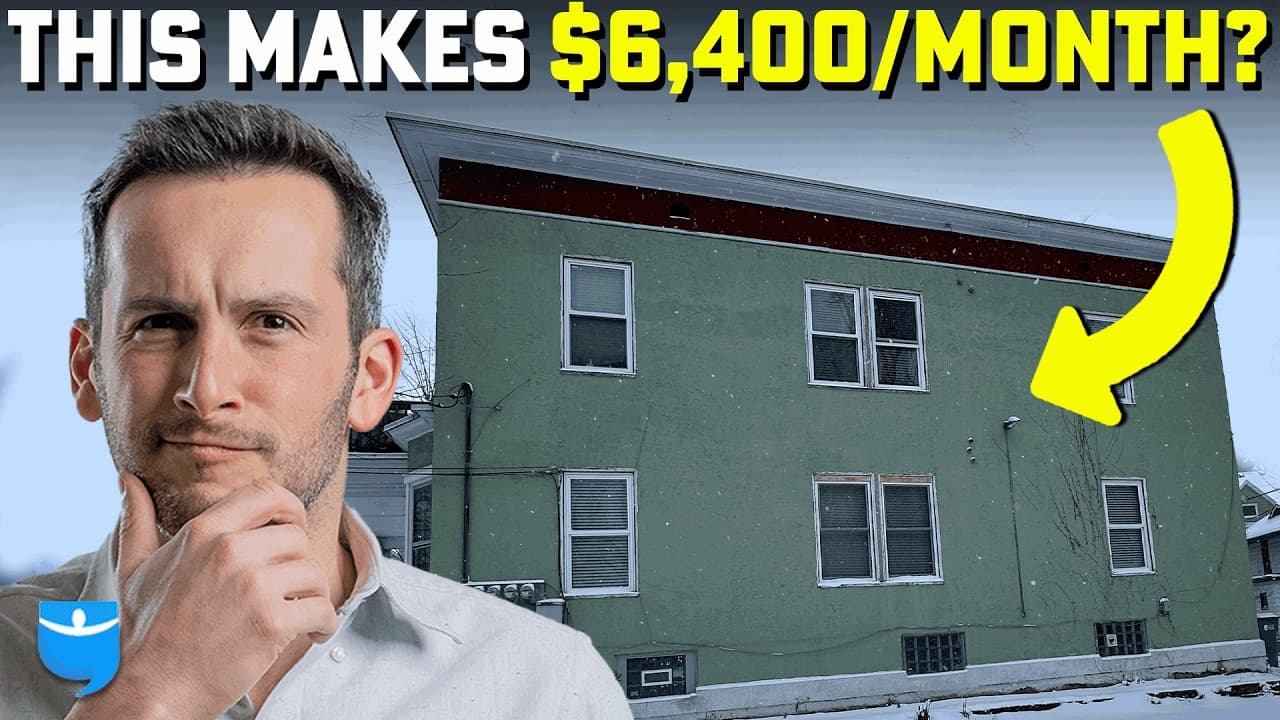
Dave explains why he passed on a 1% rule rental property.
Transcript
the holy grail for real estate investing has been for the last couple of years finding a cash flowing rental property that meets the 1% Rule and I recently found a deal that meets the 1% rule but I'm not going to buy it and in this video I'm going to show you why hey everyone it's Dave Meer from Bigger Pockets and today I'm going to explain to you ... Read More
Key Insights
- The 1% rule in real estate is a metric where the monthly rent equals 1% of the purchase price, indicating potential cash flow.
- Dave found a property meeting the 1% rule but decided against purchasing due to several red flags.
- Despite high cash flow potential, the property's age (built in 1910) posed risks of high repair costs and capital expenditures.
- The property was located on a busy road, limiting appreciation potential and lacking off-street parking, which could affect rental income.
- A small second bedroom in the property could hinder achieving the desired rental income, impacting overall investment returns.
- Dave emphasizes the importance of balancing cash flow with appreciation potential rather than strictly adhering to the 1% rule.
- Real estate investing should focus on long-term potential, including value-add opportunities, rent growth, and zoning changes.
- Investors should seek properties that break even in the short term but have multiple long-term upsides for a successful investment.
Install to Summarize YouTube Videos and Get Transcripts
Explore YouTube Video Summarizer or Get YouTube Transcript Extractor
Questions & Answers
Q: What is the 1% rule in real estate?
The 1% rule is a quick screening metric for evaluating rental properties, suggesting that the monthly rent should be at least 1% of the property's purchase price to ensure potential cash flow. While it provides a baseline, it should not be the sole criterion for investment decisions.
Q: Why did Dave pass on the 1% rule property?
Dave passed on the property despite meeting the 1% rule due to its age, which posed risks of high repair costs, its location on a busy road limiting appreciation potential, and the small second bedroom affecting rental income. These factors outweighed the initial cash flow appeal.
Q: How does Dave view the balance between cash flow and appreciation?
Dave believes in balancing cash flow and appreciation potential rather than strictly adhering to the 1% rule. He emphasizes that successful real estate investments should offer both elements, ensuring long-term value and profitability, and advises investors to consider market growth and value-add opportunities.
Q: What concerns did Dave have about the property's condition?
Dave was concerned about the property's age, as it was built in 1910, indicating potential high repair costs and capital expenditures. He noticed issues like cracking floors and outdated electrical systems, which could lead to significant expenses and maintenance challenges.
Q: What impact did the property's location have on Dave's decision?
The property's location on a busy road limited its appreciation potential and lacked off-street parking, which could affect rental income. Dave considered these factors significant drawbacks, as they could hinder the property's long-term value and profitability.
Q: Why is the small second bedroom a concern for rental income?
The small second bedroom could prevent achieving the desired rental income, as the market requires two true bedrooms to command higher rents. This limitation could impact the property's overall investment returns, making it less attractive despite meeting the 1% rule.
Q: What does Dave recommend for real estate investors?
Dave recommends that real estate investors focus on long-term potential, looking for properties with value-add opportunities, rent growth, and zoning changes. He advises finding properties that break even in the short term but have multiple long-term upsides to ensure successful investments.
Q: How can investors find good deals in today's market?
Investors can still find good deals by not being overly strict about the 1% rule. They should look for properties in good markets with potential long-term upsides, such as value-add opportunities and market growth, to ensure profitability and success in real estate investing.
Summary & Key Takeaways
-
Dave Meyer discusses why he passed on a rental property that met the 1% rule due to potential issues with the property's age, location, and rental income potential. He highlights the importance of considering both cash flow and appreciation potential in real estate investments.
-
Despite the high cash flow potential, Dave identified several red flags, such as the property's age, busy road location, and small second bedroom, which could limit appreciation and rental income. He stresses the need for a balanced approach to investment.
-
Dave advises real estate investors to focus on long-term potential, including value-add opportunities and market growth, rather than strictly adhering to the 1% rule. He encourages finding properties with multiple upsides for successful, long-term investments.
Read in Other Languages (beta)
Share This Summary 📚
Summarize YouTube Videos and Get Video Transcripts with 1-Click
Try YouTube Summary with ChatGPT & Claude or YouTube Transcript Generator
Explore More Summaries from BiggerPockets 📚






Summarize YouTube Videos and Get Video Transcripts with 1-Click
Try YouTube Summary with ChatGPT & Claude or YouTube Transcript Generator