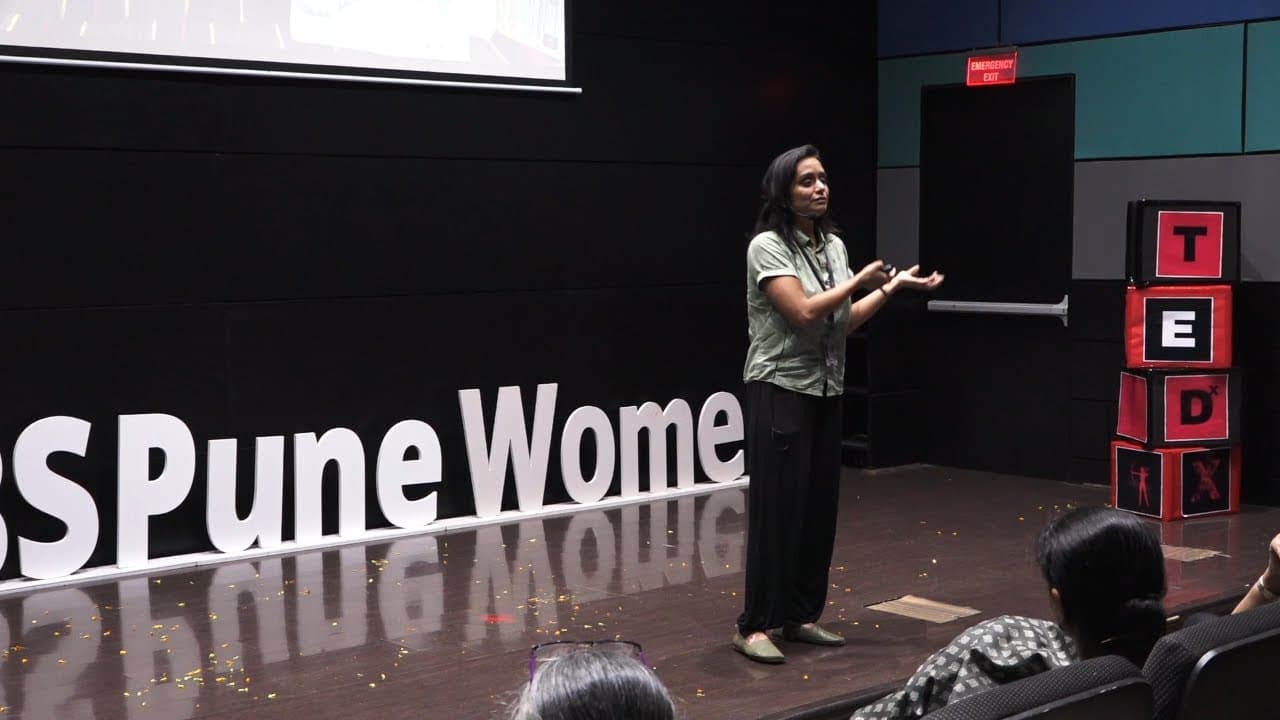
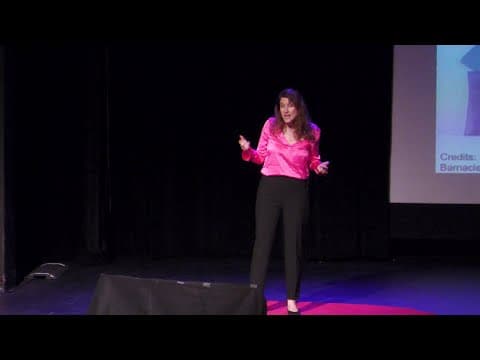
How Does Amita Deshpande Redefine Success Through Upcycling and Empowerment? | TEDxIBS Pune Women
TL;DR
This upcycling YouTube talk explains how Amita Deshpande combines plastic-waste reduction, traditional weaving and artisan empowerment through Rara. The organization upcycles discarded plastic into bags and other products, while her journey from Silvassa to Pune, Chicago and rural India reveals why understanding who makes a product and where it goes matters. Read on for her approach to conscious consumption and craft-based change.
Transcript
so good afternoon everyone as I was introduced I am an Eco Warrior that's quite right absolutely right I would say and the journey that I'm going to uh talk about today uh is upon apart from the whole activity of upcycling plastic waste for which Rara is actually very quite well known for uh where we are upcycling plastic waste and making all kinds... Read More
Key Insights
- 🔇 The speaker's personal evolution from a conventional shopper to an advocate for sustainability signifies the potential for change within consumer behavior.
- 🗑️ Upcycling initiatives not only reduce plastic waste but also reintroduce traditional crafts into the market, fostering social and environmental awareness.
- 🧑🏫 Teaching consumers about the origins of products is essential for cultivating a more ethically conscious shopping culture.
- 👨👩👦 Involving women in artisan communities empowers families and encourages economic independence, crucial for rural development.
- ❓ Understanding the lifecycle of products can greatly influence consumer choices and encourage responsible buying habits.
- 🛟 The merging of technology with traditional crafts can yield innovative solutions to environmental issues while preserving cultural heritage.
- 🥺 Distress migration can be mitigated through sustainable employment opportunities in rural areas, leading to healthier communities.
Install to Summarize YouTube Videos and Get Transcripts
Explore YouTube Video Summarizer or Get YouTube Transcript Extractor
Questions & Answers
Q: What does Amita Deshpande's upcycling YouTube talk explain?
Amita Deshpande explains how Rara upcycles plastic waste into beautiful bags and other products. She also connects this work with traditional weaving, artisan livelihoods and more conscious consumer choices.
Q: How does Rara upcycle plastic waste?
Rara uses discarded plastic as material for handcrafted products, including bags. Its approach combines plastic-waste reduction with traditional weaving techniques.
Q: What inspired Amita Deshpande to work on plastic waste and social development?
Deshpande had long cared about garbage, plastic waste and environmental conservation. After studying sustainability and corporate social responsibility in Chicago, she returned to India intending to work on environmental and social development.
Q: How did Amita Deshpande's shopping habits influence her sustainability journey?
Growing up in Silvassa, she traveled to Mumbai with her family to shop, and she continued shopping after moving to Pune and Chicago. She later recognized that she had rarely considered how purchased goods were made, where their materials came from or where the products would eventually go.
Q: What did Amita Deshpande discover while traveling through rural India?
During travels through Uttarakhand, Himachal, Rajasthan, Gujarat and Dadra and Nagar Haveli, she encountered a declining world of artisans and handicrafts. Watching people weave helped her understand the time and work required to create fabric and saris.
Q: Who are the bara balutedar described in the talk?
Deshpande describes the bara balutedar as 12 craftsmen or artisans found in village systems. They include potters, carpenters, goldsmiths, blacksmiths and weavers.
Q: Why does the talk emphasize knowing who made a product?
Deshpande realized that she had bought items such as a matka without thinking about the potter behind it. Learning who makes a product reveals the craftsmanship, time and human work that ordinary shopping can hide.
Q: What questions can consumers ask before buying something?
Consumers can consider why they want a product, how it was made, what materials it uses, where it came from and where it will go. These questions help connect shopping decisions with a product's production process and eventual waste.
Summary & Key Takeaways
-
The speaker reflects on their transition from a consumer lifestyle to a more conscious approach towards shopping and sustainability, highlighting their past experiences in urban shopping environments.
-
Upon returning to India, they discovered the importance of traditional artisans and crafts that were overshadowed by industrialization, spurring their interest in merging craftsmanship with environmental conservation.
-
Through their organization, they focus on upcycling plastic waste using traditional weaving techniques, promoting the value of artisans while fostering sustainable practices among consumers.
Read in Other Languages (beta)
Share This Summary 📚
Summarize YouTube Videos and Get Video Transcripts with 1-Click
Try YouTube Summary with ChatGPT & Claude or YouTube Transcript Generator
Explore More Summaries from TEDx Talks 📚


Summarize YouTube Videos and Get Video Transcripts with 1-Click
Try YouTube Summary with ChatGPT & Claude or YouTube Transcript Generator