How to Read a Newspaper Without Feeling Overwhelmed
TL;DR
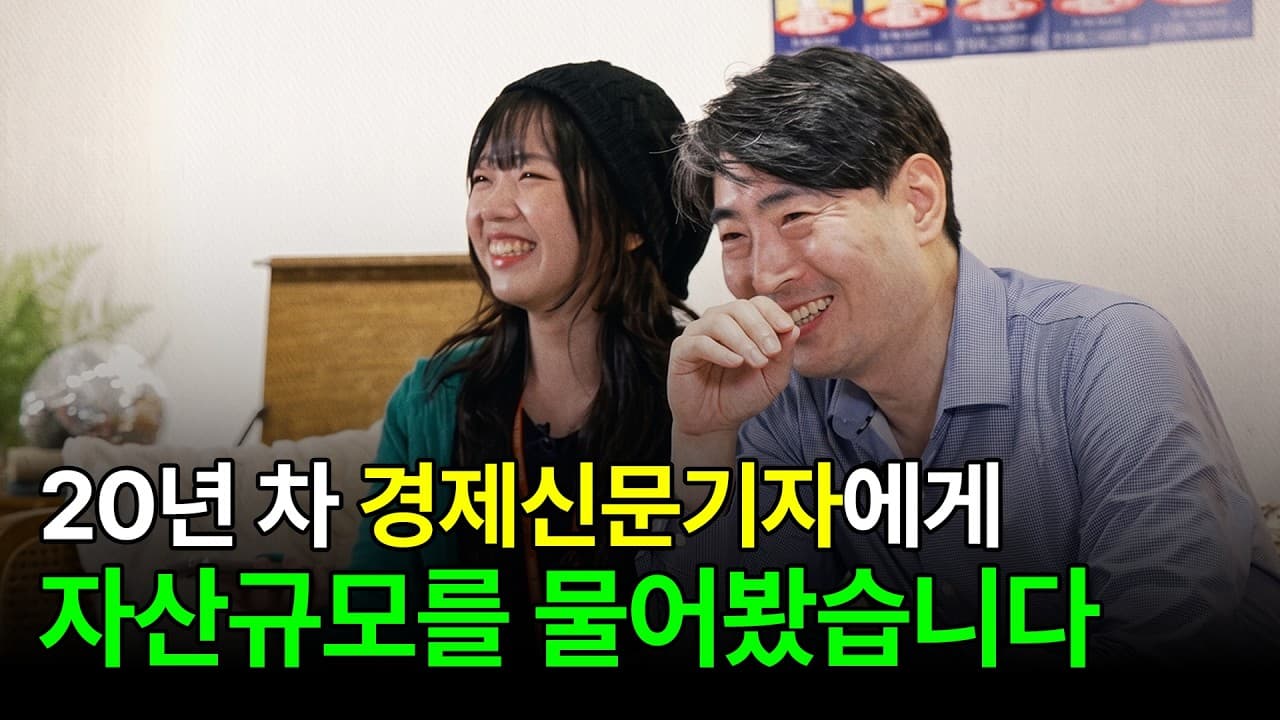
Start by scanning headlines, then choose an article connected to an interest you already have. Veteran economic reporter Hong Jang-won says newspaper articles place the most important information near the front because editors may shorten them from the back, while the newspaper business must gradually shift its emphasis from print to online as news consumption changes.
Transcript
Hello. I'm a 3-month intern PD at Maeil Business Newspaper. Let me try that again. Hello. I'm a 3-month intern PD. Do you guys happen to read the newspaper? Honestly, I don't really read the paper . So today, I'm going to take some time to actually sit down and read one. But since I'm an intern, I needed someone to take responsibility if an... Read More
Key Insights
- Newspaper reading becomes more approachable when readers scan headlines before attempting full articles. Hong recommends flipping through the paper until one headline connects with an existing interest, then beginning there instead of treating the entire publication as required reading.
- News consumption has shifted heavily toward online platforms for both participants. They describe YouTube and Naver articles as their main alternatives to newspapers, while their viewing habits also include Shorts, golf clips, airline content, short dramas, and other algorithmically recommended material.
- The future of newspaper companies depends on gradually reducing their emphasis on print and moving online. Hong does not expect his company to disappear before he retires, but he recognizes that fewer people now engage directly with news in printed form.
- Printed newspapers can remain culturally relevant when their reporting is transformed into other content. Hong compares this possibility to a famous work that people may discuss without reading in its original form, expressing hope that newspaper material can circulate beyond the physical paper.
- Newspaper articles place their most important information near the front. Hong explains that editors fitting a long article into limited space typically shorten it from the back, so the opening portion contains the essential summary readers need first.
- Personal relevance is a useful filter for choosing newspaper articles. Hong selects stories about college admissions because his first child is in the second year of middle school, and about global interest rates because that issue is part of his current interests and work.
- Physical newspaper design can initially discourage inexperienced readers. The intern notices the paper's large dimensions and dense amount of text after not opening one for a long time, which leads directly to asking for a simpler way to begin reading.
- Newspaper decorating turns reading into a selective, hands-on activity. The participants choose two or three articles, cut them out, add decorative elements, and explain their selections, creating a structured reason to identify topics and important passages that matter personally.
Install to Summarize YouTube Videos and Get Transcripts
Explore YouTube Video Summarizer or Get YouTube Transcript Extractor
Questions & Answers
Q: How should a beginner start reading a newspaper?
A beginner should first flip through the newspaper and scan its headlines instead of trying to read every article from beginning to end. At least one headline is likely to connect with a current interest. Hong gives interest rates as an example, suggesting that a reader interested in the subject could begin with stories about rate changes in Europe or Japan.
Q: Why do newspaper articles put important information first?
Newspaper articles put essential information near the beginning because page space is limited and stories must pass through a layout process. Hong explains that an article may originally be quite long, but editors generally shorten it from the back when it needs to fit. As a result, readers can find most of the crucial summary information in the opening portion.
Q: What is the future of printed newspapers according to Hong Jang-won?
Hong says the platform for consuming news has moved online, so newspaper companies have little choice but to reduce their focus on print gradually and strengthen their online presence. He does not think his company will disappear before he retires. His hope is that reporting will continue to be discussed and adapted into other content, even when people do not read the physical paper.
Q: How can personal interests make newspaper reading easier?
Personal interests provide a clear way to choose among the many stories in a large, text-heavy newspaper. Hong recommends scanning headlines and stopping when a subject feels relevant. He personally chooses an article about college admissions because his first child is in middle school, along with an article about global interest rates because he is already interested in that issue.
Q: What is newspaper decorating and how does it work?
Newspaper decorating is presented as an activity in which participants select two or three newspaper articles, cut them out, paste them onto a separate surface, and add decorative material. After finishing, they brief each other on their work and explain why they chose particular stories. The process combines reading, selection, physical arrangement, personal interests, and discussion.
Q: Why can a printed newspaper feel overwhelming to new readers?
A printed newspaper can feel overwhelming because its pages are physically large and contain a substantial amount of text. The intern says that, after not opening one for a long time, the size and density made it difficult to know where to begin. Hong responds by simplifying the task: look only at headlines first, then choose one appealing article.
Q: What online content do the participants consume instead of newspapers?
Hong says he mainly watches YouTube and reads articles on Naver, identifying those as his two major channels outside newspapers. His YouTube screen includes Shorts, golf clips, Air Busan content, and older-looking entertainment. The intern's recommendations include short dramas and relationship-style content. Their differing feeds illustrate how online viewing is shaped by individual interests.
Q: Can newspapers remain relevant if fewer people read print editions?
Hong believes newspaper reporting can remain relevant when people continue mentioning it or turning it into other forms of content. He draws an analogy to a famous original work that attracts discussion even though few people have actually read it. His cautious hope is that circulation through other formats can preserve the value of reporting as print readership declines.
Summary & Key Takeaways
-
Hong Jang-won, an economic reporter with about 20 years of experience, joins a three-month intern producer for a conversation and newspaper-decorating activity. Their discussion contrasts declining engagement with printed newspapers against their regular use of YouTube, Shorts, and Naver articles, highlighting the broader movement of news consumption toward online platforms.
-
Hong advises first-time or returning newspaper readers to avoid tackling every article. Readers should scan the headlines while turning the pages and select subjects that match their interests. His examples include global interest rates and college admissions, showing how an existing personal concern can provide a practical entry point into a text-heavy paper.
-
During the decorating activity, Hong explains that newspaper articles are structured so their most important information appears near the beginning. Because editors must fit stories into limited page space, content can generally be removed from the back. The activity also shows how cutting, arranging, and discussing articles can make newspaper reading more approachable.
Read in Other Languages (beta)
Share This Summary 📚
Summarize YouTube Videos and Get Video Transcripts with 1-Click
Try YouTube Summary with ChatGPT & Claude or YouTube Transcript Generator
Explore More Summaries from 매경 자이앤트 📚


Summarize YouTube Videos and Get Video Transcripts with 1-Click
Try YouTube Summary with ChatGPT & Claude or YouTube Transcript Generator