10 Best YouTube Videos to Start Learning to Code

Jul 20, 2026
12 min read
89 views
Last updated: July 2026
This is a curated set of ten free YouTube courses for complete beginners who want to start learning to code and are not sure where to begin. It moves from choosing a first language to writing real programs in Python, JavaScript, C, and C++, and finishes with programming physical hardware on Arduino.
Together these videos add up to roughly 55 hours of instruction from the most watched teaching channels on the platform, including freeCodeCamp, Programming with Mosh, and Fireship. Each one has drawn millions of learners, so this set reflects the courses beginners actually complete rather than a random sample.
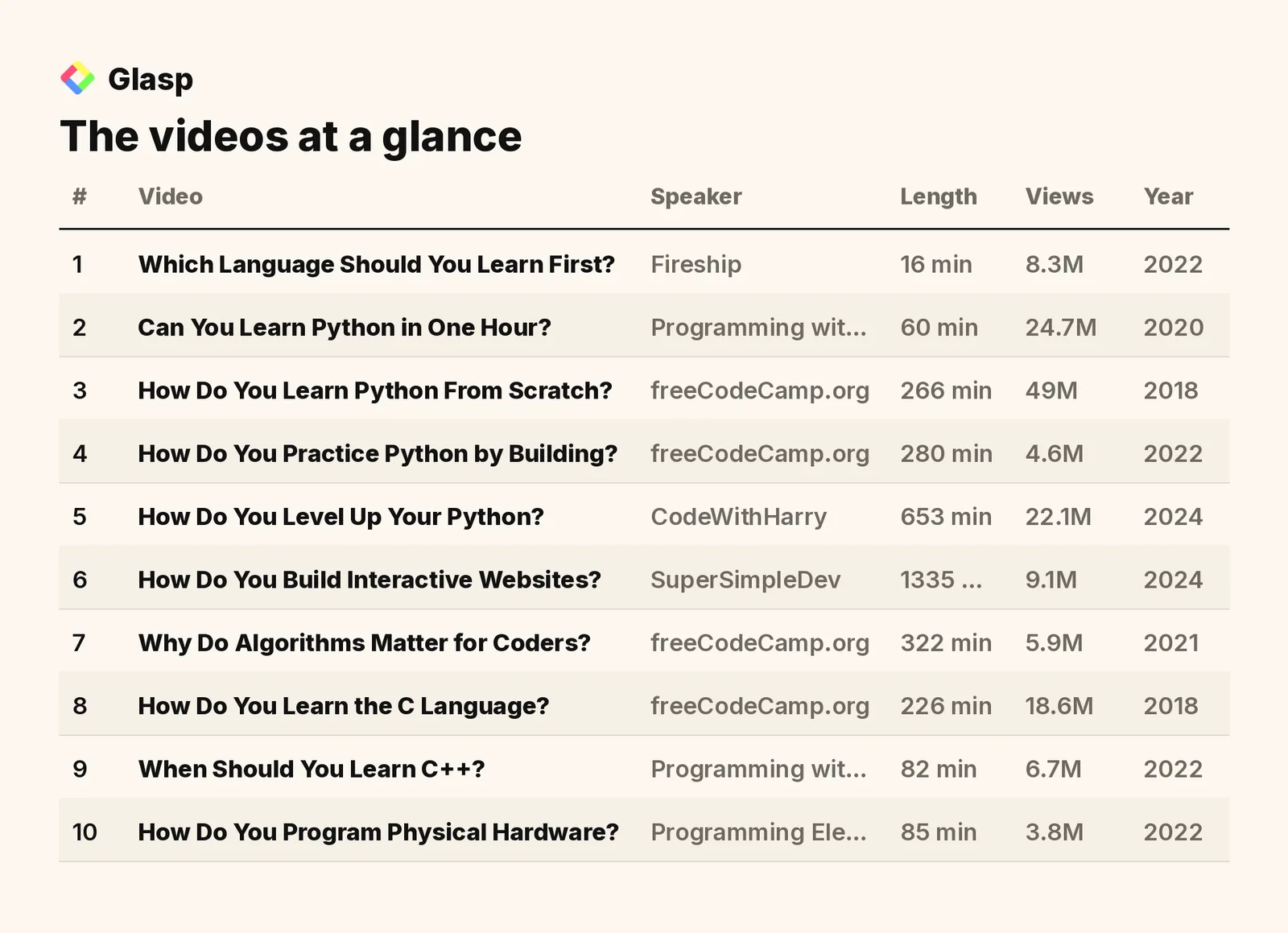
The videos on this list, in the order to watch them, are:
Which Language Should You Learn First? (Fireship)
Can You Learn Python in One Hour? (Programming with Mosh)
How Do You Level Up Your Python? (CodeWithHarry)
How Do You Build Interactive Websites? (SuperSimpleDev)
When Should You Learn C++? (Programming with Mosh)
How Do You Program Physical Hardware? (Programming Electronics Academy)
Total: 10 videos, 3325 minutes of watch time (about 55 hours), and 152.9M combined views.
1. Which Language Should You Learn First?
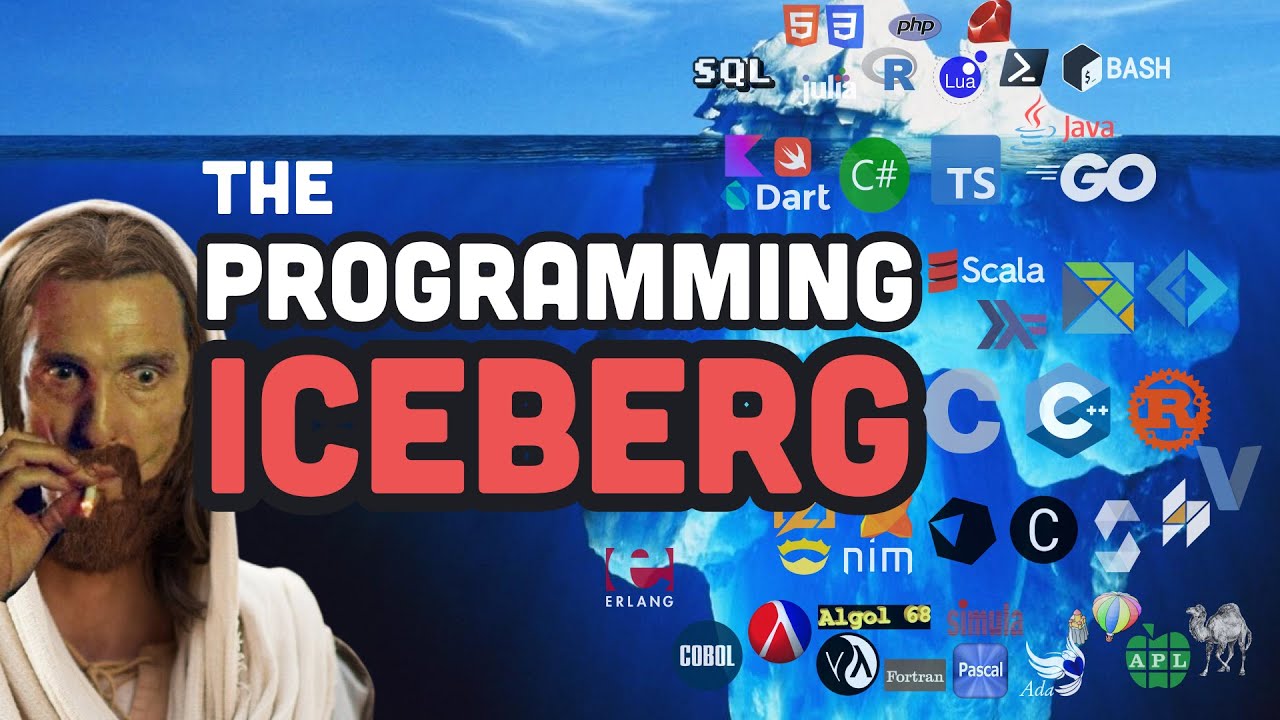
Fireship · 16 min · 8.3M views · 2022
In short: Beginners should start with approachable languages like Scratch or BASIC, then move to Python or JavaScript before exploring low-level languages like C.
Before you commit to a language, this sixteen minute roadmap maps the whole landscape and tells you where to begin. It earns the opening slot because it answers the first question every beginner has: what should I actually learn? Fireship keeps it fast and practical rather than dogmatic.
Key takeaways
Scratch and BASIC give absolute beginners an accessible entry point to programming concepts before moving on to production languages.
Python and JavaScript are the practical next step for web development and dynamic applications once the basics feel comfortable.
Low-level systems languages such as C, Rust, and Zig teach optimized programming and a deeper understanding of foundations.
Java and C# support broad application development, while functional languages like Haskell and F# emphasize abstraction and pure functions.
Watch on YouTube · Read the summary and Q&A
2. Can You Learn Python in One Hour?
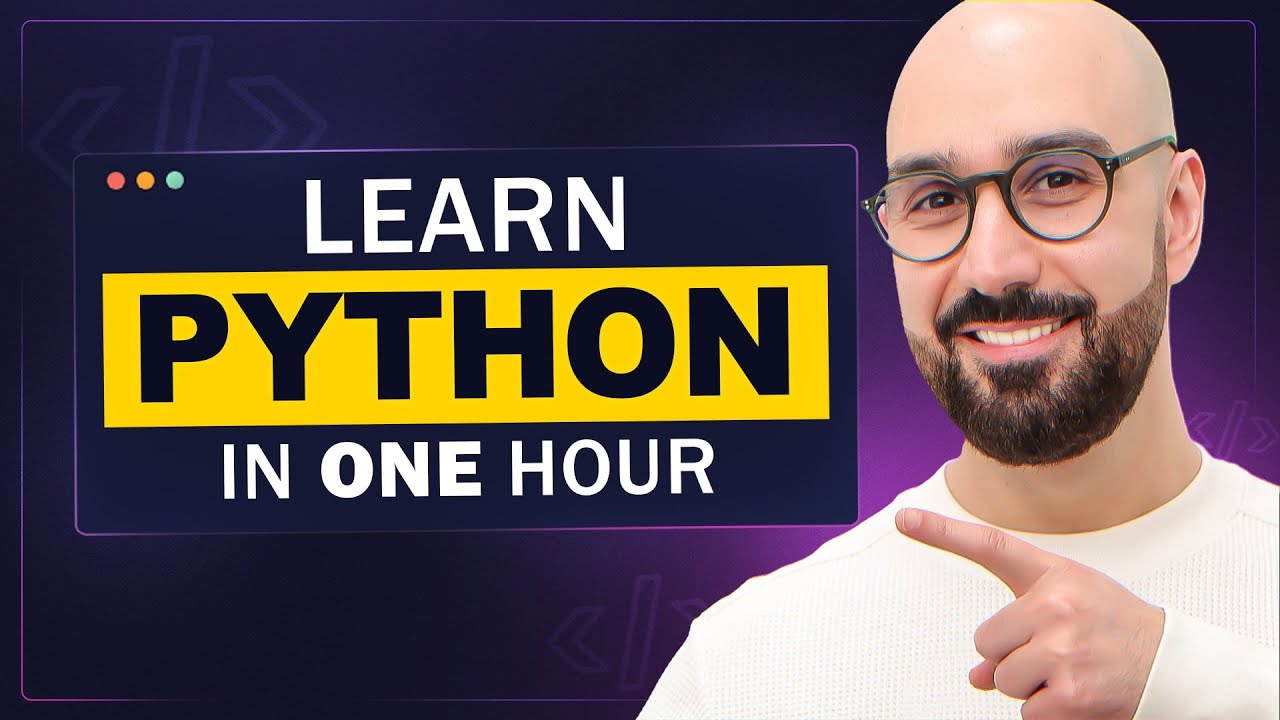
Programming with Mosh · 60 min · 24.7M views · 2020
In short: Yes, this one hour tutorial covers Python fundamentals like variables, data types, and functions, plus its use in data science and web development.
This one hour tutorial is the fastest way to write your first real Python code and see results the same day. It covers variables, data types, and functions without overwhelming you, and it explains why Python sits behind products like Spotify and Instagram. It earns its slot as the low-commitment on-ramp to the language.
Key takeaways
Python powers major products including YouTube, Instagram, Spotify, Dropbox, and Pinterest, often through the Django web framework.
Python is the leading language for machine learning and data science projects, according to the tutorial.
Getting started requires downloading Python from python.org and enabling the Add Python to PATH option during installation.
The free community edition of PyCharm is the recommended code editor for writing and running Python programs.
Watch on YouTube · Read the summary and Q&A
3. How Do You Learn Python From Scratch?
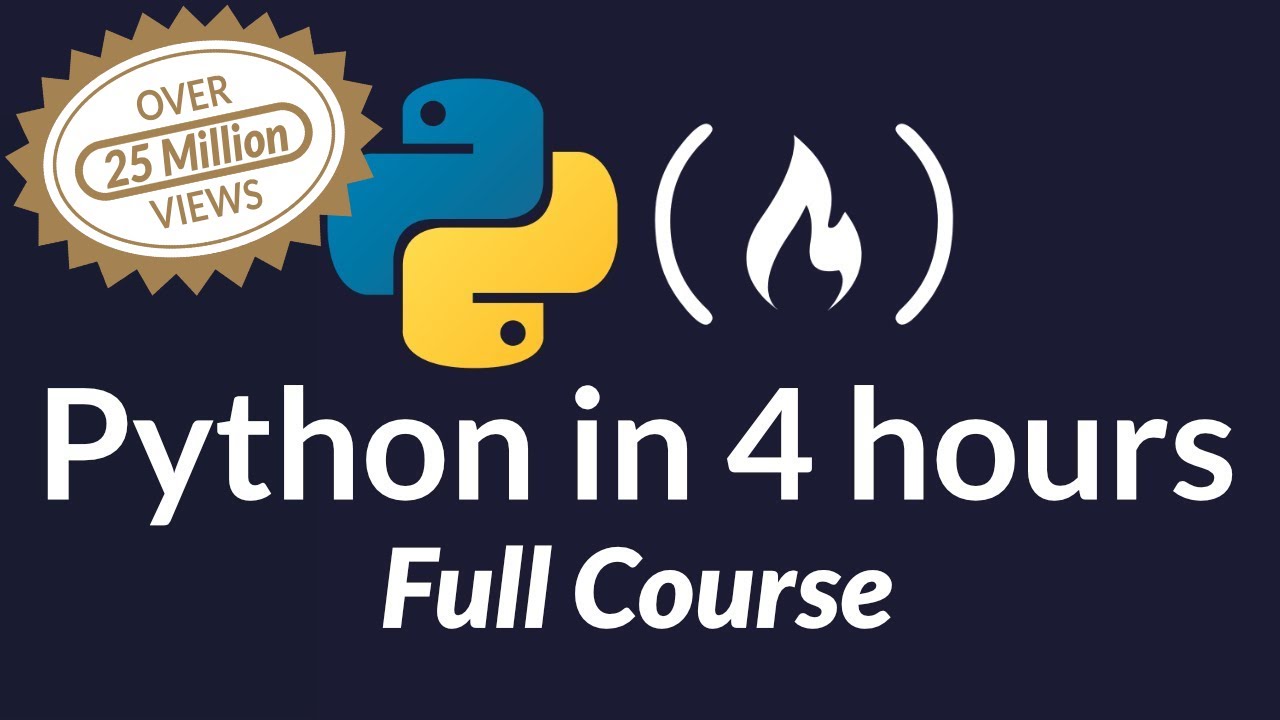
freeCodeCamp.org · 266 min · 49M views · 2018
In short: Install Python 3 and an IDE like PyCharm, then work through essential concepts, since Python's simple syntax makes it accessible for beginners.
Once Python has your attention, this full course goes deep and slow enough for someone who has never coded. It covers the essential concepts end to end and leans on Python's simple syntax to build early confidence. It is the canonical comprehensive Python primer on YouTube.
Key takeaways
Python is a widely used and sought-after language for jobs and automation, which makes it a practical first language.
Python's simple syntax and minimal learning curve help newcomers build confidence and coding skills quickly, according to the course.
Python offers powerful capabilities backed by a wide range of libraries and frameworks that extend what beginners can build.
The course recommends installing Python 3 alongside an integrated development environment such as PyCharm before writing any code.
Watch on YouTube · Read the summary and Q&A
4. How Do You Practice Python by Building?

freeCodeCamp.org · 280 min · 4.6M views · 2022
In short: Learn core concepts like variables and functions, then apply them through hands-on exercises that culminate in building a working blackjack game.
Knowing syntax is not the same as building things, so this course turns concepts into a finished blackjack game. It answers the beginner's real question of how to move from reading code to writing a working program. Hands-on exercises throughout keep the learning practical.
Key takeaways
The course covers core Python topics including variables, data types, operators, strings, functions, and control statements in sequence.
Hands-on learning is central, with coding examples and exercises leading to a final project that builds a blackjack game.
Python suits a wide range of applications, including web development, data analysis, and machine learning, beyond the basics taught here.
Building a complete game as a capstone helps beginners connect individual concepts into a working, finished program.
Watch on YouTube · Read the summary and Q&A
5. How Do You Level Up Your Python?
CodeWithHarry · 653 min · 22.1M views · 2024
In short: Move beyond basics into functions, object-oriented programming, exception handling, file operations, and comprehensions through a structured, project-driven Python course.
This course levels you up from Python basics into object-oriented programming, exception handling, file operations, and comprehensions. It also serves the large community of learners who prefer instruction in Hindi, adding real accessibility to this list. It earns its slot as the bridge from beginner to intermediate Python.
Key takeaways
Functions are core to Python's modular programming, enabling code reuse and clearer organization across a growing codebase.
Object-oriented concepts such as encapsulation and inheritance improve code structure and long-term maintainability in larger Python programs.
Exception handling with try and except makes programs more robust by handling errors gracefully instead of crashing.
Comprehensions give concise, readable syntax for complex data structures, while built-in libraries like math, os, and random reduce boilerplate.
Watch on YouTube · Read the summary and Q&A
6. How Do You Build Interactive Websites?

SuperSimpleDev · 1335 min · 9.1M views · 2024
In short: Learn JavaScript from basic syntax to object-oriented and asynchronous code, then combine it with HTML and CSS to build interactive sites.
To make anything appear on a web page, you eventually need JavaScript, and this course takes you from syntax to a full Amazon-like shopping site. It answers how interactive websites actually get built and how JavaScript works with HTML and CSS. Over two hundred fifty exercises make the practice unavoidable.
Key takeaways
JavaScript creates interactive elements on websites and works alongside HTML and CSS to control page content and behavior.
The course builds practical projects, including a to-do list, a calculator, and a full Amazon-like shopping site.
Promises and async or await handle asynchronous operations, a core skill for loading data without freezing the page.
A code editor like VS Code and the browser console are the essential tools for everyday JavaScript development.
Watch on YouTube · Read the summary and Q&A
7. Why Do Algorithms Matter for Coders?
freeCodeCamp.org · 322 min · 5.9M views · 2021
In short: Algorithms are step-by-step instructions for solving tasks, and understanding them lets you evaluate code efficiency and choose the right approach.
After a language, the next leap is thinking like a problem solver, and this course teaches algorithmic thinking in Python. It shows how to evaluate and compare algorithms so your code runs efficiently, using linear and binary search as clear examples. It earns its slot as the gentle entry into computer science fundamentals.
Key takeaways
Algorithms are sets of steps for completing a task, from recipes and directions to the operations a program runs internally.
Algorithmic thinking breaks complex problems into manageable steps and identifies the right data structures to solve each part.
Linear search runs in O of n time by checking every element, while binary search reaches O of log n by halving the space.
Studying algorithms deepens understanding of complexity and efficiency, helping developers predict how code performs in different scenarios.
Watch on YouTube · Read the summary and Q&A
8. How Do You Learn the C Language?
freeCodeCamp.org · 226 min · 18.6M views · 2018
In short: Install a C compiler and an IDE like Code Blocks, then write basic programs to learn a language that underpins many others.
Learning C reveals what higher-level languages hide, from compilers to how memory holds your data. This course covers installation, the editor, and basic code, giving you a foundation that transfers to almost every other language. It earns its place as the on-ramp to lower-level programming.
Key takeaways
C is one of the oldest programming languages and serves as the foundation for many modern languages, including C++.
A C compiler is required to translate source code into instructions the computer can execute, unlike interpreted languages.
Code Blocks is a popular IDE that bundles a compiler, making it a convenient setup for C beginners.
Learning C builds a solid grasp of core programming concepts and makes transitioning to other languages easier later.
Watch on YouTube · Read the summary and Q&A
9. When Should You Learn C++?
Programming with Mosh · 82 min · 6.7M views · 2022
In short: Learn C++ when you need performance-critical applications, since it covers language syntax and the standard library for efficient, fast programs.
C++ is where you learn to write fast, performance-critical software, and Mosh covers both the syntax and the standard library in about ninety minutes. It answers when and why a beginner would reach for C++ over an easier language. The compact format makes a demanding language approachable.
Key takeaways
C++ is widely used to build performance-critical applications that require efficient memory use and fast execution.
The course is aimed at beginners and covers both the language syntax and the C++ standard library.
C++ has influenced many other programming languages, which makes it a valuable and transferable skill to hold.
Learning C++ can open job opportunities and lead to a higher salary, according to the instructor.
Watch on YouTube · Read the summary and Q&A
10. How Do You Program Physical Hardware?

Programming Electronics Academy · 85 min · 3.8M views · 2022
In short: Use an Arduino Uno board with the free Arduino IDE and sketch code to read inputs and control outputs in electronic projects.
Code does not have to stay on a screen, and this workshop shows how code can control real electronics. It answers how to program physical hardware using an Arduino Uno, the free IDE, and simple input and output logic. It is the applied, hands-on reward at the end of the journey.
Key takeaways
Arduino controls electronic devices with code and requires an Arduino board, the Arduino IDE software, and a sketch.
The Arduino Uno Rev 3 is the recommended board for beginners starting with physical computing projects.
Inputs gather information from the world while outputs perform actions, and Arduino can read inputs and drive outputs.
The serial monitor in the Arduino IDE lets the board and computer communicate by displaying text output.
Watch on YouTube · Read the summary and Q&A
Frequently asked questions
What programming language should a beginner learn first?
Most beginners start with Python for its simple syntax, then add JavaScript for the web. Fireship's roadmap suggests Scratch or BASIC first if you want the gentlest possible start.
Is Python good for complete beginners?
Yes. Python has a minimal learning curve and simple syntax, and it powers products like YouTube, Instagram, and Spotify, which makes it both approachable and practical.
How long does it take to learn to code from these videos?
The ten courses total roughly 55 hours, but you can grasp the basics of one language in about one to five hours and build from there.
Do I need to pay for coding courses to start?
No. Every course in this list is free on YouTube, and the recommended tools like Python, the PyCharm community edition, VS Code, and the Arduino IDE are also free.
Should I learn C or C++ as a beginner?
C teaches core foundations and underpins many modern languages, while C++ adds performance and a standard library for fast applications. Learn C first if you want to understand how computers work.
Where should a total beginner start if they have never written a line of code?
The most practical starting point is a short one hour Python overview to see whether coding clicks at all, then a full from scratch Python course once you want to go deeper. Beginners who jump straight into a long course before knowing if they enjoy the process often stall in the first week.
Do I need to know math before learning to program?
No math background is required to start writing Python, build small projects, or put together an interactive website. Algorithms are the one area where thinking in a structured, mathematical way pays off, and that comes later, after you are already comfortable writing code.
What should I do after finishing a beginner Python course?
The step after a beginner course is building things: work through project based tutorials, then move on to intermediate material that levels up your Python beyond the basics. Watching a second beginner course instead of building is the most common way people stay stuck at the starting line.
Is watching coding videos enough to actually learn to program?
Videos are how you learn what is possible, but the skill only sticks once you write and debug code yourself, which is why project based practice sits between the beginner and intermediate stages. Treat each video as something to follow along with in an editor rather than something to watch passively.
How to use this list
Work through this list in order if you can, since it builds from choosing a language to writing real programs and then to hardware. If you are short on time, start with Fireship's God-Tier Developer Roadmap to orient yourself, then watch Programming with Mosh's one hour Python tutorial to write your first working code the same day. Once Python feels comfortable, branch into JavaScript for the web or C for the foundations, and treat the Arduino course as a fun reward once you can read and write basic code.
Related lists
💡 Want summaries and transcripts for any YouTube video? Try YouTube Summary with ChatGPT & Claude.