How Do Liquid Lenses Change Focal Length Using Electricity?
TL;DR
Liquid lenses adjust their focal length by using electrical signals to change the shape of a water droplet within an oil medium, allowing for continuous variability without moving parts. To operate, these lenses require high voltage and specific fluid properties for optimal performance, making them versatile yet technically challenging for larger applications.
Transcript
so it's continuously variable in its focal length across a pretty wide range hey everyone this is an older project that I did two or three years ago but thought I would dust it off because I've got a new application for it this is a liquid lens driver and this is a liquid lens here so what's a liquid lens it's this is a an optical device that can c... Read More
Key Insights
- 🫗 Liquid lenses change focal length with electrical signals, offering versatility.
- 🫗 Obtaining liquid lenses for projects can be costly and challenging due to limited availability.
- ⚡ High voltages are required to drive larger liquid lenses for broader applications.
- 🫗 Liquid lenses require precise fluid properties for optimal performance.
- 🫗 Scaling up liquid lenses for varied applications requires addressing technical challenges.
- 🐿️ Liquid lens driver chips simplify control but may have limitations in voltage capabilities.
- 🫗 Alternative methods like using AC voltage can drive liquid lenses efficiently.
Install to Summarize YouTube Videos and Get Transcripts
Explore YouTube Video Summarizer or Get YouTube Transcript Extractor
Questions & Answers
Q: How does a liquid lens change focal length?
A liquid lens changes its focal length based on the electrical signal applied to it. By polarizing water molecules within oil, the lens adjusts its shape to alter its optical properties, creating a lens effect.
Q: What challenges did the creator face in obtaining the necessary components for the project?
The creator faced challenges in sourcing liquid lenses due to high costs and limited availability from major manufacturers like Very Optic. Additionally, specialized components like the liquid lens driver chip required extra effort to obtain.
Q: Can liquid lenses be scaled up for larger applications like ship portals?
Scaling up liquid lenses for larger applications presents challenges in maintaining fluid properties and requiring higher voltages due to the square of distance relationship for driving a bigger lens, making the process complex.
Q: What alternative method can be used to drive a liquid lens without a specialized chip?
Liquid lenses can be driven using AC voltage, eliminating the need for a specialized chip. By using AC voltage to prevent fluid polarization, the lens can function efficiently without the risk of charge build-up.
Summary & Key Takeaways
-
Liquid lenses use electrical signals to change focal length without moving parts.
-
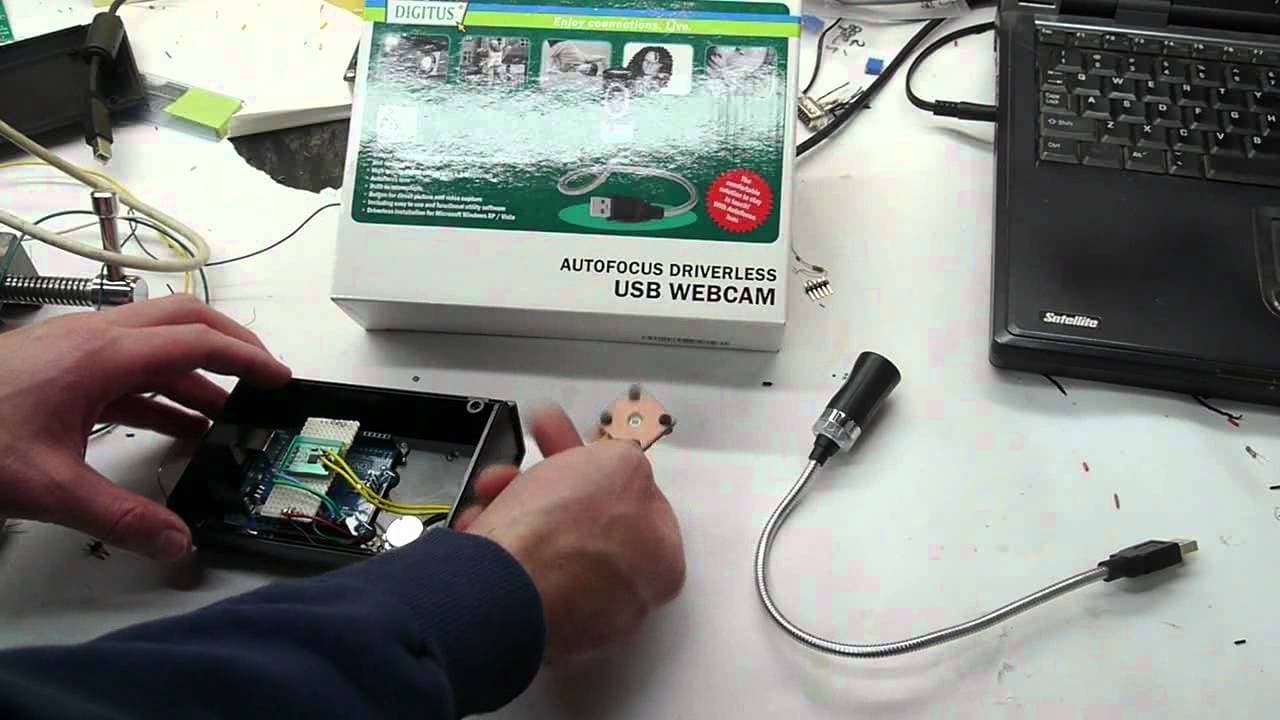
Developed using materials from commercial products like a USB webcam.
-
Liquid lens driver chip controls lens with few external components, requiring high voltage for operation.
Read in Other Languages (beta)
Share This Summary 📚
Summarize YouTube Videos and Get Video Transcripts with 1-Click
Try YouTube Summary with ChatGPT & Claude or YouTube Transcript Generator
Explore More Summaries from Applied Science 📚

Summarize YouTube Videos and Get Video Transcripts with 1-Click
Try YouTube Summary with ChatGPT & Claude or YouTube Transcript Generator