How to Stay Calm According to Lao Tzu's Teachings
TL;DR
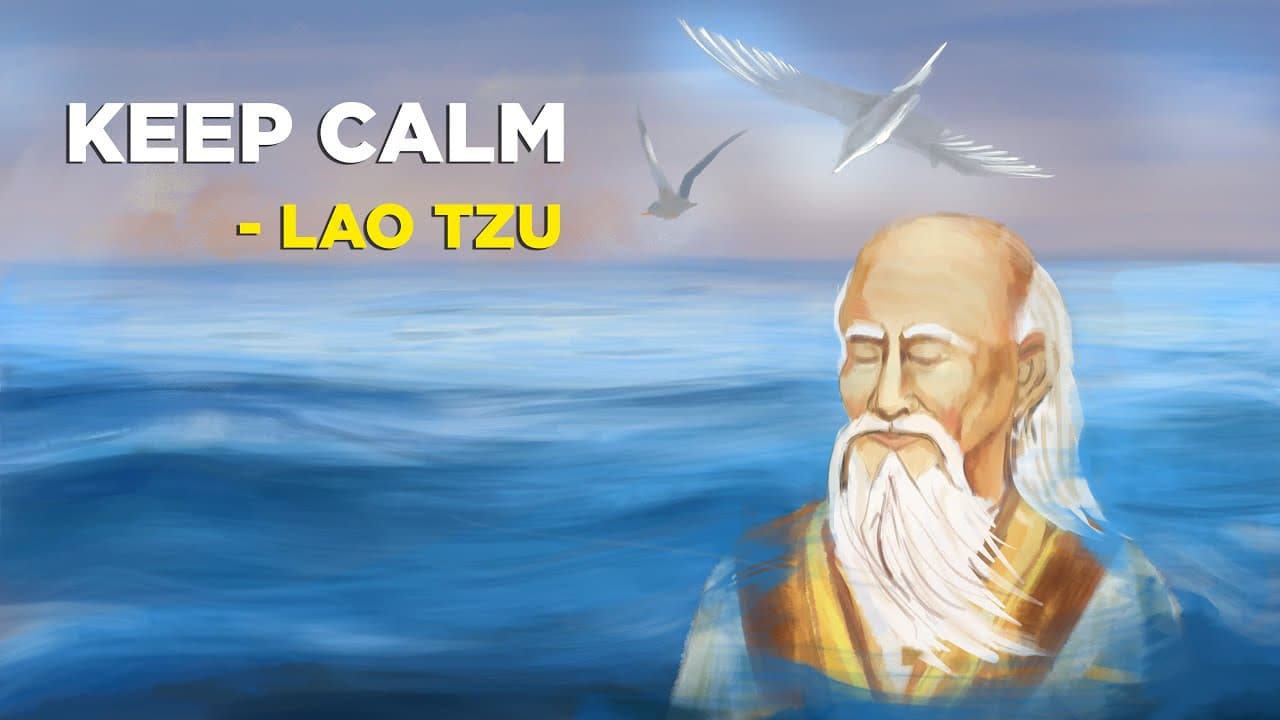
Lao Tzu teaches that true calmness stems from inner peace and living in harmony with the Tao, which can be achieved through mindfulness, simplicity, and non-action. Embracing change and connecting with nature are also essential for maintaining tranquility and well-being amidst life's challenges.
Transcript
Lao Tzu is considered the founder of Taoism and the author of the Tao Te Ching, a philosophical text that lays out the principles of Taoist thought and spirituality. According to Lao Tzu, calmness is a state of inner peace and tranquility, free from the distractions and disturbances of the outside world. In the Tao Te Ching, Lao Tzu write... Read More
Key Insights
- 🥺 Calmness leads to clarity and wisdom in facing life's challenges.
- 🤩 Simplicity is key to finding peace, happiness, and harmony by reducing desires and distractions.
- 🎁 Mindfulness helps individuals connect with the present moment and improve overall well-being.
- 🏋️ Non-action, or wu-wei, involves living in harmony with the natural flow of the universe.
- ✌️ Connecting with nature can provide balance, peace, and inspiration in life.
- 🥺 Embracing change as a natural part of life leads to growth, resilience, and well-being.
- ✌️ Society's focus on success and material possessions can hinder individuals from finding true peace and fulfillment.
Install to Summarize YouTube Videos and Get Transcripts
Explore YouTube Video Summarizer or Get YouTube Transcript Extractor
Questions & Answers
Q: How does Lao Tzu define calmness and its importance in life?
Lao Tzu views calmness as inner peace free from distractions, which allows for clarity and wisdom in facing life's challenges.
Q: What significance does simplicity hold in Lao Tzu's teachings?
Simplicity, according to Lao Tzu, is crucial for finding peace, happiness, and harmony by reducing desires and material possessions.
Q: How could practicing mindfulness according to Lao Tzu's teachings benefit individuals in the modern world?
Mindfulness helps individuals connect with the present moment, reduce stress, develop focus, empathy, and compassion, and improve overall well-being.
Q: What does non-action mean in Taoist philosophy, and how can it be applied to daily life?
Non-action, or wu-wei, involves living in harmony with the natural flow of the universe, allowing for effortless action and increased peace and balance in life.
Summary & Key Takeaways
-
Lao Tzu emphasizes calmness as inner peace, leading to clarity and wisdom in facing challenges.
-
Simplicity, according to Lao Tzu, is vital for peace, happiness, and harmony by reducing desires and distractions.
-
Mindfulness, non-action, connecting with nature, and embracing change are key teachings for a balanced life.
Read in Other Languages (beta)
Share This Summary 📚
Summarize YouTube Videos and Get Video Transcripts with 1-Click
Try YouTube Summary with ChatGPT & Claude or YouTube Transcript Generator
Explore More Summaries from Philosophies for Life 📚



Summarize YouTube Videos and Get Video Transcripts with 1-Click
Try YouTube Summary with ChatGPT & Claude or YouTube Transcript Generator