Why Do Some People Choose Solitude Over Interaction?
TL;DR
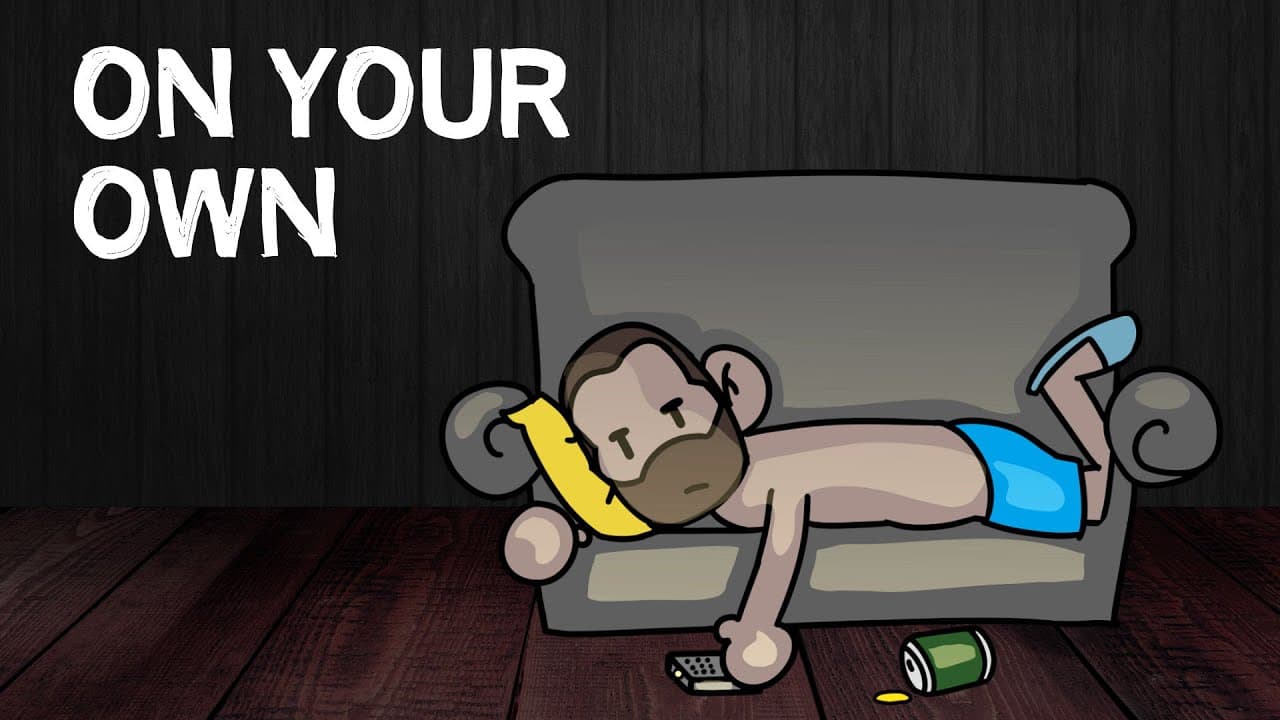
Many individuals deliberately choose solitude as a way to escape social obligations and find solace, even though it can lead to feelings of loneliness. Various factors, such as past trauma, societal pressures, and personal preferences influence this choice. Understanding the distinction between social isolation and loneliness is important, and solutions must be tailored to individual experiences.
Transcript
When someone spends more time in solitude than is considered normal, then people begin to worry. What’s going on with this person? Is he doing okay? Is she depressed? And so we tell them to get out there, meet people, and connect. “Humans are social animals,” they say. Or: “Whatever you do, don’t isolate yourself. Isolating yourself is bad for you.... Read More
Key Insights
- 🤳 Self-imposed social isolation is a deliberate choice for some individuals seeking solace and avoiding social interactions.
- ❓ Understanding the difference between social isolation and loneliness is crucial, as one can be isolated but not necessarily lonely.
- 🧑🏭 Various factors, including past trauma, societal pressures, and individual preferences, influence the decision to choose solitude over socialization.
- 🤕 Schopenhauer's hedgehog dilemma illustrates the conflict between seeking warmth through social interaction and avoiding potential hurt.
- 🧑⚕️ Social isolation can lead to mental health issues and physical health risks, emphasizing the importance of finding a balance between solitude and social interaction.
- 💍 Solutions to combat social isolation include being selective in interactions, engaging in polite but distant interactions, and exploring opportunities for social connection.
- 🤳 Every case of chronic solitude is unique, and there's no one-size-fits-all solution to addressing the complexities of self-imposed social isolation.
Install to Summarize YouTube Videos and Get Transcripts
Explore YouTube Video Summarizer or Get YouTube Transcript Extractor
Questions & Answers
Q: Why do some people choose self-imposed social isolation?
Some individuals opt for solitude as an escape from social obligations, past trauma, or to enjoy introspection and creative work without the need for constant social interaction.
Q: How does Schopenhauer's hedgehog dilemma explain social isolation?
Schopenhauer's analogy illustrates the dilemma of seeking warmth through social interaction while risking getting hurt, leading some to retreat into isolation to avoid potential pain.
Q: What are the potential risks of prolonged social isolation?
Extensive research links social isolation to mental health issues like depression and anxiety, as well as physical health risks such as weakened immune systems and increased stress.
Q: What are some potential solutions to combat social isolation?
Solutions include being selective in social interactions, engaging in polite interactions while maintaining boundaries, and exploring possibilities for social connection, like traveling or online interactions.
Summary & Key Takeaways
-
Self-imposed social isolation is a deliberate choice for some, providing solace and escape from social obligations while denying opportunities for social interaction.
-
Social isolation and loneliness are not the same; one can be isolated but not lonely, yet lack of interaction may lead to loneliness.
-
Various factors, including past trauma, societal pressures, and individual preferences, contribute to the choice of solitude over socialization.
Read in Other Languages (beta)
Share This Summary 📚
Summarize YouTube Videos and Get Video Transcripts with 1-Click
Try YouTube Summary with ChatGPT & Claude or YouTube Transcript Generator
Explore More Summaries from Einzelgänger 📚
Summarize YouTube Videos and Get Video Transcripts with 1-Click
Try YouTube Summary with ChatGPT & Claude or YouTube Transcript Generator