What Is It Like to Live in Miami for a Month?
TL;DR
Miami can reward visible displays of wealth while encouraging expensive nightlife and misleading appearances, based on one resident’s month-long experience. The practical takeaway is to avoid being drawn into bars, clubs, and status spending, and to recognize that designer clothing, jewelry, watches, and luxury cars may change how people respond to you without proving genuine prosperity or happiness.
Transcript
these are three things that I learned living in Miami for the past month that might make you want to reconsider living here as you guys know Miami is my second spot I have a apartment here I'm full-time in Puerto Rico I have a house out there but this was my first time spending a whole month in Miami so this is what I learned first things first mon... Read More
Key Insights
- Visible wealth changes social attention in the narrator’s experience. He reports receiving little notice while dressed without designer clothing or jewelry, but says people turned their heads, approached him more often, and showed more respect when he displayed luxury items.
- Miami is described as a spending trap built around bars, clubs, and costly social behavior. The narrator warns visitors and residents not to become absorbed in nightlife or pressured into spending money simply because the local environment continually encourages it.
- Designer clothing functions as a status signal in the narrator’s account. He says recognizable brand names attached to his outfit contributed to increased attention, especially when combined with diamonds, a stylish appearance, an expensive watch, and a luxury vehicle.
- A Brabus GLE is presented as part of the narrator’s visible display of wealth. He reports that arriving in the vehicle while wearing jewelry and designer clothing caused heads to turn and prompted more people to speak with him.
- Social respect is portrayed as connected to perceived money rather than personal character. The narrator does not say plainly dressed people openly disrespected him, but he felt largely ignored until his clothing, jewelry, watch, and vehicle signaled financial status.
- Financial appearances can be misleading, according to the narrator. He claims that many people in Miami want others to think they have money even when they do not, making visible luxury an unreliable indicator of genuine financial circumstances.
- Nightlife requires deliberate resistance in the narrator’s advice. His repeated instruction is to avoid getting drawn into bars, clubs, and uncontrolled spending because he sees those attractions as central mechanisms through which Miami consumes money.
- Visible luxury does not demonstrate happiness in the narrator’s account. After describing the city’s focus on wealth, status, nightlife, and deceptive appearances, he adds that everybody seems sad, connecting outward prosperity with an unfavorable perception of emotional well-being.
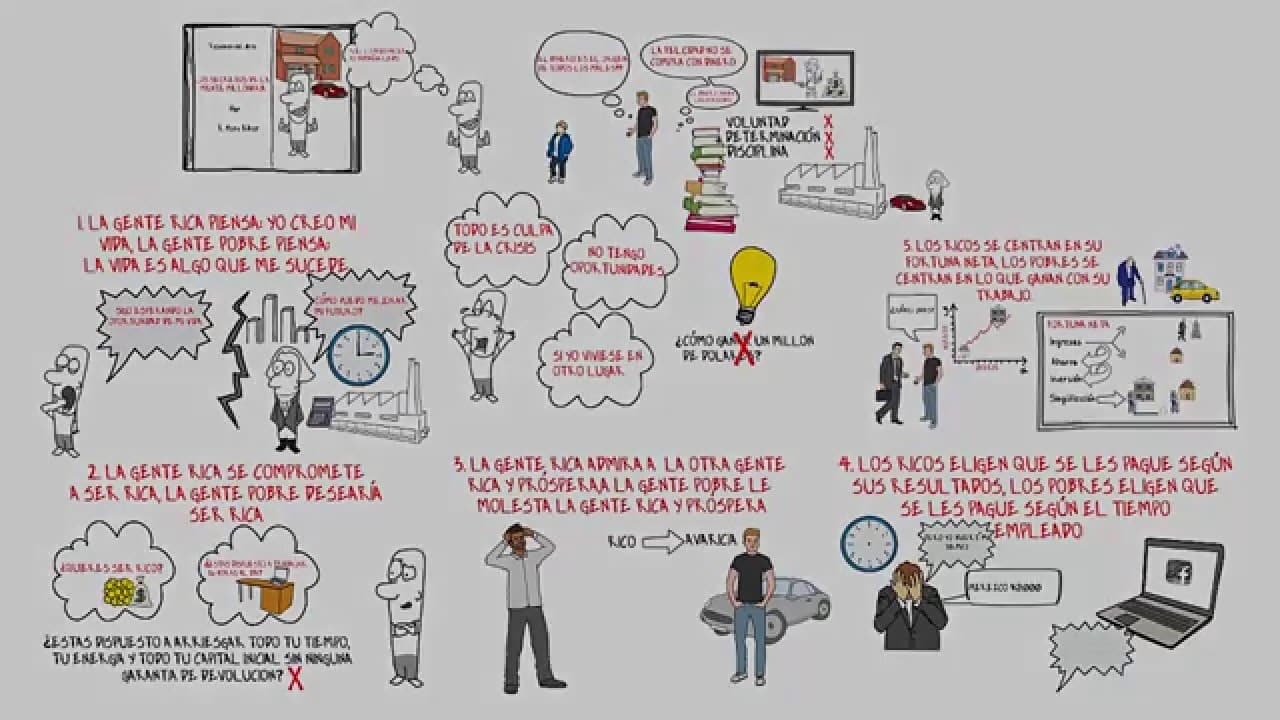
- Libro relacionado: Los secretos de la mente millonaria
- Export your Kindle highlights to Glasp: How to Download Highlights and Notes from Kindle
- More videos about this book:
- More from this channel: Caminos de Éxito
Install to Summarize YouTube Videos and Get Transcripts
Explore YouTube Video Summarizer or Get YouTube Transcript Extractor
Questions & Answers
Q: How does visible wealth affect social treatment in Miami?
The narrator says visible wealth produced a clear change in how people treated him during his month in Miami. When he wore no designer clothing or jewelry, people did not necessarily disrespect him, but they largely ignored him. When he arrived in a Brabus GLE wearing diamonds, a watch, and designer clothing, more people looked at him, approached him, and appeared to show respect.
Q: Why does the narrator call Miami a spending trap?
The narrator calls Miami a spending trap because he believes its bars, clubs, and social environment are designed to draw people into spending money. He repeatedly warns against getting absorbed in those activities. His advice is to recognize the pressure early and resist it rather than allowing nightlife and status-oriented consumption to control personal financial decisions.
Q: What should someone avoid while living in Miami?
According to the narrator, someone living in Miami should avoid being pulled into bars, clubs, and continuous spending. He regards these attractions as parts of a broader trap that can consume money. His warning focuses on maintaining discipline and refusing to follow the city’s nightlife culture simply because it is visible, socially appealing, or associated with status.
Q: Do designer clothes change how people respond to you in Miami?
Designer clothes changed how people responded to the narrator during his stay. He reports receiving little attention when he dressed without recognizable brands or jewelry. When he wore designer clothing alongside diamonds and a watch, and arrived in a Brabus GLE, heads turned and more people tried to speak with him. His conclusion is based on that personal contrast.
Q: Does the narrator say plain clothing causes disrespect in Miami?
The narrator does not say that plain clothing led to direct or explicit disrespect. Instead, he distinguishes disrespect from indifference. When he wore no designer items or jewelry, he felt that people simply did not care about him. He interpreted the greater attention received while displaying luxury goods as increased respect tied to the appearance of money.
Q: Why can appearances of wealth be misleading in Miami?
Appearances can be misleading because, according to the narrator, many people want others to believe they have money even when they do not. His observation suggests that designer goods, jewelry, vehicles, and nightlife participation may communicate prosperity without confirming it. The account therefore treats visible status as a social presentation rather than dependable evidence of someone’s financial condition.
Q: What did the narrator learn after a month in Miami?
After spending a full month in Miami for the first time, the narrator identifies several lessons. He says visible signs of money can attract attention and respect, the city’s bars and clubs can encourage excessive spending, many people present misleading images of wealth, and residents appear sad to him despite the surrounding emphasis on luxury and status.
Q: How does Miami compare with Puerto Rico in the narrator’s life?
The narrator identifies Miami as his second location and says he has an apartment there, while Puerto Rico is his full-time home and the location of his house. The transcript does not provide a detailed comparison of costs, culture, or daily life. It only establishes that the month in Miami was his first extended stay there and prompted these observations.
Summary & Key Takeaways
-
After spending a full month in Miami for the first time, the narrator compares the experience with living full-time in Puerto Rico. He says people paid substantially more attention when he displayed visible wealth through a Brabus GLE, diamonds, a watch, fashionable clothing, and recognizable designer branding than when he dressed plainly.
-
The narrator describes Miami as a spending trap centered on bars, clubs, and repeated opportunities to use money. His central warning is not to become absorbed in that environment. The account suggests that maintaining financial discipline requires resisting nightlife and status-driven purchases, even when the surrounding culture makes those activities appear attractive.
-
The narrator concludes that appearances in Miami can be deceptive. He claims many people want others to believe they have money even when they do not. He also characterizes people there as sad, creating a contrast between the city’s visible luxury and his perception of its residents’ actual financial and emotional condition.
Read in Other Languages (beta)
Share This Summary 📚
Summarize YouTube Videos and Get Video Transcripts with 1-Click
Try YouTube Summary with ChatGPT & Claude or YouTube Transcript Generator
Explore More Summaries from Caminos de Éxito 📚
Summarize YouTube Videos and Get Video Transcripts with 1-Click
Try YouTube Summary with ChatGPT & Claude or YouTube Transcript Generator