Syncopation: expect the unexpected
TL;DR
Syncopation is the rhythmic technique of emphasizing unexpected beats, creating surprise and challenging conventions in music and other art forms. This mastery of timing and dexterity allows for improvisation across styles, exemplified by artists like Charlie Parker and Martin Luther King Jr. It's about breaking the norm and introducing an element of unpredictability.
Transcript
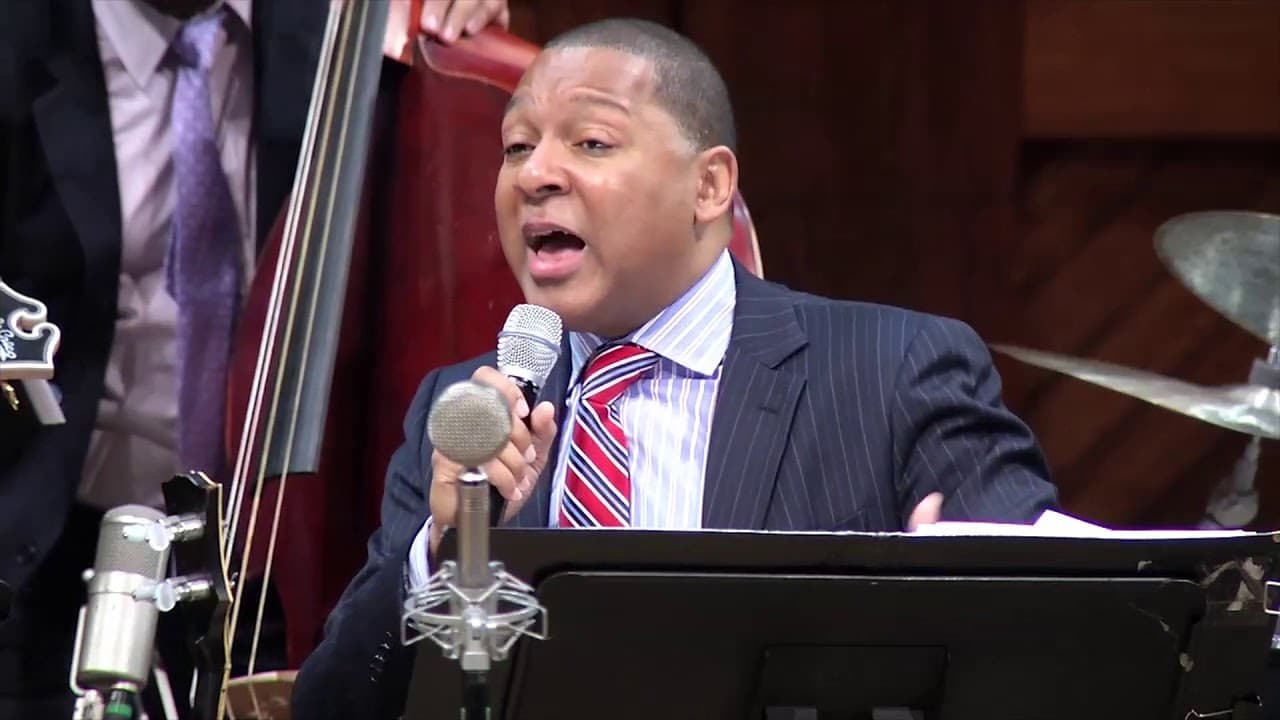
each individual's way of pushing and pulling the beat is very personal as their approach to swinging a unique swing can distinguish a group and can also characterize a region Charlie Parker's approach to the beat is very different from Dizzy Gillespie's Glenn Miller's is different from chick Webb's and the New Orleans Way is different from New York... Read More
Key Insights
- 💓 Syncopation is a personal and unique approach to pushing and pulling the beat, distinguishing different styles and regions in music.
- 🥋 It is a universal technique that can be found in various art forms and social movements, challenging convention and adding surprise.
- ❓ Syncopation requires mastery of dexterity, jocularity, and timing to create unexpected and impactful results.
- 🇬🇧 Mark Twain and Martin Luther King Jr. are examples of how syncopation can be applied in literature and activism, respectively.
- 🥶 Syncopation is about breaking free from the common grid and exploring new ways of doing things, similar to southern fusion cuisine.
- 😮 The element of surprise and challenge to convention is what makes syncopation powerful and captivating.
- 🫥 Syncopation is like a punch line in comedy, adding humor through unexpected timing and delivery.
Install to Summarize YouTube Videos and Get Transcripts
Explore YouTube Video Summarizer or Get YouTube Transcript Extractor
Questions & Answers
Q: What is syncopation and how does it apply to music?
Syncopation in music refers to playing rhythms off the beat or accenting unexpected times. It adds complexity, surprise, and uniqueness to the music, helping to distinguish different styles and regions.
Q: How does syncopation extend beyond music?
Syncopation is not limited to music—it is a concept that can be seen in literature, social movements, and everyday life. It involves challenging conventions, adding surprise, and creating a sense of dexterity and timing.
Q: How did Mark Twain use syncopation in Huckleberry Finn?
In Huckleberry Finn, Mark Twain used syncopation by creating a situation where Huck's embarrassment at showing humanity to Jim, a less-than-human character in society's eyes, elicited an opposite reaction in the reader. This unexpected twist challenges conventional beliefs and ideas.
Q: How did Martin Luther King Jr. apply syncopation in his activism?
Martin Luther King Jr. applied syncopation in his activism by combining nonviolent action inspired by Gandhi, direct action inspired by Niebuhr, and his own down-home twist. This unique approach challenged the accepted ways of fighting for freedom and created surprising and effective results.
Summary
This video discusses the concept of syncopation in music and how it is a way of challenging the common beat and rhythm. It compares different musicians and regions to demonstrate how their unique swinging styles distinguish them, but also how they can easily collaborate and improvise with each other. Syncopation is described as the daring application of dexterity, jocularity, and timing to challenge convention and create surprises in music.
Questions & Answers
Q: How is each individual's approach to swinging a unique swing distinguish a group and characterize a region?
Each musician has their own personal way of pushing and pulling the beat, known as swinging. This unique swing can distinguish a musical group and also characterize a specific region. For example, Charlie Parker's approach to the beat is very different from Dizzy Gillespie's, and Glenn Miller's is different from Chick Webb's. The New Orleans Way of swinging is different from the New York Swing. However, despite these differences, any musician from any of these bands or regions could easily collaborate and improvise with any other. The ground rhythm and shuffle in music are universal.
Q: What is syncopation and how does it relate to challenging the common beat and rhythm?
Syncopation is the concept of playing a rhythm on the opposite side of the beat. It involves accenting off the beat and coming back to it at unexpected times. This technique allows musicians to challenge the common ground of the beat and rhythm. It is similar to offering something to someone and then snatching it back when they reach for it. Syncopation is a way of playing with the expected groove and creating surprises in music.
Q: How is syncopation similar to other forms of challenging convention?
Syncopation is similar to other forms of challenging convention in various fields. For example, Jonas Salk's approach to giving a virus to prevent catching it challenges the conventional understanding of vaccination. Mark Twain's use of Huck's embarrassment, a character who had previously shown inhumanity to a less than human man named Jim, challenges readers' expectations. Syncopation is the daring application of dexterity, jocularity, and timing to challenge the accepted way of doing things in various fields.
Q: How is syncopation related to humor and the element of surprise?
Syncopation is related to humor and the element of surprise, as it is what makes a punch line funny. Similar to how a punch line surprises the listener, syncopation surprises the listener by challenging the common grid of the beat and rhythm. It involves a masterful challenging of convention and creates unexpected moments in music, just like a well-timed joke. Syncopation adds an element of surprise and excitement to the musical experience.
Q: Can you provide examples of how syncopation has been used in different fields?
Syncopation has been used in various fields to challenge convention and create surprises. Martin Luther King combined the nonviolent action of Gandhi with the direct action of Niebuhr, adding his own down-home twist, to make those concepts work for freedom in the United States. This merging of different approaches can be seen as a form of syncopation. Tex-Mex Indian soul, a diverse fusion of different culinary traditions, also demonstrates syncopation, creating unusual but delicious flavors that one might not initially imagine. Syncopation can be found in various forms of artistic expression and creative endeavors.
Q: How would you describe Thelonious Monk's style of syncopation?
Thelonious Monk's style of syncopation is unique and distinct. His use of unexpected accents and timing challenges the common grid of the beat and rhythm. Monk's syncopated playing creates a sense of surprise and excitement in his music. His style is characterized by a masterful application of dexterity, jocularity, and timing, which adds depth and complexity to his compositions.
Q: How does syncopation affect the overall musical experience?
Syncopation adds complexity and depth to the overall musical experience. It challenges the listener's expectations and creates moments of surprise and excitement. Syncopation allows musicians to break away from the common beat and rhythm, infusing the music with a sense of unpredictability. This creates a dynamic and engaging listening experience, as the syncopated rhythms and accents keep the listener on their toes.
Q: What are some other notable examples of syncopation in music history?
Syncopation has played a significant role in music history across various genres. In jazz, the music of Louis Armstrong and Duke Ellington often showcases syncopation, with unexpected accents and playful timing. In Latin music, syncopation can be heard in the pulsating rhythms of salsa and bossa nova. African music is also known for its syncopated beats and polyrhythms. Overall, syncopation has been an essential element in many musical traditions, adding depth and excitement to the compositions.
Q: How does syncopation influence improvisation in music?
Syncopation has a significant impact on improvisation in music. By challenging the common beat and rhythm, syncopation opens up opportunities for musicians to experiment and create unexpected musical phrases. Syncopated rhythms can serve as a launching pad for improvisation, allowing musicians to play off the accents and unexpected moments. Syncopation adds a sense of spontaneity and creativity to the improvisational process, pushing musicians to explore new musical territories.
Q: How can syncopation be utilized in different musical genres?
Syncopation can be utilized in various musical genres to create unique and compelling rhythms. In jazz, syncopated rhythms are commonly used to create swinging and syncopated jazz solos. In funk music, syncopation is a defining characteristic, driving the energetic and groovy rhythms. Pop music often incorporates syncopation to add catchiness and a sense of danceability. Even in classical music, composers like Igor Stravinsky have utilized syncopation to create rhythmic complexity and unexpected accents.
Takeaways
Syncopation is a powerful and versatile technique in music that challenges the common beat and rhythm. It allows musicians to create surprises and adds depth and excitement to compositions. Syncopation can be seen in various fields, from medicine to literature, where it challenges conventional wisdom and creates unexpected outcomes. The element of surprise and humor is closely related to syncopation, as it adds an unexpected twist to the musical experience. Overall, syncopation is a fundamental aspect of music that allows for creativity, improvisation, and the exploration of new musical territories.
Summary & Key Takeaways
-
Each individual's way of pushing and pulling the beat is personal and can distinguish a group or region, yet musicians can easily improvise across different styles.
-
Syncopation, playing off the beat and accenting unexpected times, is a universal technique in music and beyond.
-
Syncopation is a daring application of dexterity, jocularity, and timing, challenging convention and creating surprise.
Read in Other Languages (beta)
Share This Summary 📚
Summarize YouTube Videos and Get Video Transcripts with 1-Click
Try YouTube Summary with ChatGPT & Claude or YouTube Transcript Generator
Explore More Summaries from Harvard University 📚





Summarize YouTube Videos and Get Video Transcripts with 1-Click
Try YouTube Summary with ChatGPT & Claude or YouTube Transcript Generator