How to finish the year strong in 99 days
TL;DR
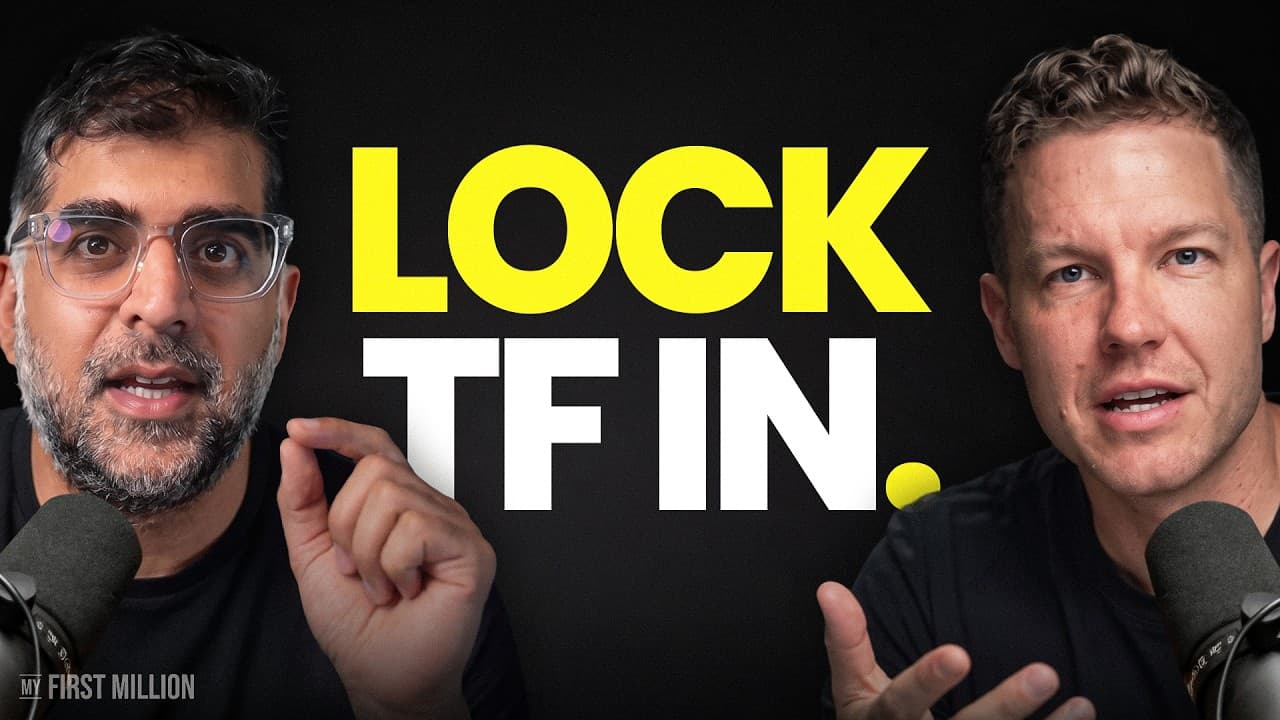
The key idea is to treat the final 99 days like a fourth quarter sprint and decide what you want this year to be about. Use tight calendars, limit time waste, and set up systems that prevent your weaknesses from derailing progress. Plan one impactful move now for momentum.
Transcript
There are 99 days left in the year. 99 days. I almost feel like this 100 day left in the year is more important than the New Year's resolution. I just encourage anyone, man, this it's the end of the year. Use this last sprint and like treat it like an athlete does the fourth quarter of a game and really ask yourself like what do I want this year to... Read More
Key Insights
- 99 days left is a meaningful sprint rather than a deadline
- Parkinsons law explains why smaller time blocks can improve output
- Restricting calendar increments can shrink activity duration
- Systematically reducing weaknesses can stabilize performance
- Plans for IRL events can be crafted under tight constraints
- Two minds of a creator influence decision making and stress
- A well designed data resource can accelerate learning
- Authentic, scrappy event design often outperforms overproduced experiences
Install to Summarize YouTube Videos and Get Transcripts
Explore YouTube Video Summarizer or Get YouTube Transcript Extractor
Questions & Answers
Q: What is the main idea behind using the last 99 days to finish the year
The main idea is to treat the final 99 days as a sprint, similar to a fourth quarter, where you actively decide what the year should be about and focus on making a tangible impact. This mindset shift helps prioritize actions, avoid procrastination, and push you to make meaningful progress before year end.
Q: How does Parkinsons law apply to planning the remaining year
Parkinsons law suggests work expands to fill the time available. By shrinking the time frame and using tight, well defined blocks like 22 minutes or a short weekly window, you force efficiency. This helps you complete tasks faster and prevents procrastination, enabling more accomplished outcomes in the remaining days.
Q: Why is limiting calendar increments useful for productivity
Limiting calendar increments prevents wasted time and overlong meetings. If your default is 30 minutes instead of 60, you must focus and communicate efficiently. This constraint can compress tasks, reduce time sinks, and increase overall output, making it easier to complete essential work within the available days.
Q: What does the speaker say about systems that neutralize weaknesses
The speaker emphasizes creating systems that prevent weaknesses from showing up as bottlenecks. For example, prepaying for a trainer creates accountability, so even if motivation wanes, the structure compels action. Such systems help maintain progress by removing the onus of willpower from the individual.
Q: What is the role of constraints in event planning according to the conversation
Constraints in event planning help focus effort on what truly adds value. By limiting budget, time, and other resources, the team creates a high quality, meaningful experience rather than chasing size or polish. This approach leads to standout events that feel authentic and worth the investment.
Q: What is meant by the 'two minds of a creator' discussed in the talk
The two minds of a creator refer to internal voices or frameworks that compete for attention, influencing decisions and stress. Recognizing these voices allows you to manage impulses, align actions with long term goals, and maintain steady progress rather than being overwhelmed by rapid, conflicting thoughts.
Q: How can data on successful people influence your path to success
Tracking how successful people started, including their apprenticeships and breakthrough moments, provides a practical blueprint. By compiling a database, you can identify common patterns and milestones, enabling you to adapt proven steps to your context and accelerate your own progress with evidence-based planning.
Q: What value does an authentic, scrappy event ethos offer
An authentic, scrappy ethos focuses on genuine value rather than luxuries, making events more relatable and approachable. This mindset reduces cost, increases accessibility, and fosters stronger communities. The resulting experiences are often more memorable and impactful, encouraging attendees to participate, collaborate, and return for future events.
Summary & Key Takeaways
-
The final 99 days can be a make or break period, treated like a high intensity sprint to define your year. Utilize Parkinsons law to compress tasks and increase focus. Create systems that neutralize personal weaknesses so progress stays steady and intentional.
-
Events can be powerful but require careful constraint and prioritization. Limiting scope, time, and resources forces clarity and momentum, often producing more meaningful outcomes than chasing large, unfocused goals. Start with one executable plan to keep momentum going into the new year.
-
Learning from others and building leverage through data can accelerate success. Tracking successful figures and the actions they took helps identify practical paths. Use available resources to inform your strategy, then execute decisively within tight deadlines to maximize impact before year end.
Read in Other Languages (beta)
Share This Summary 📚
Summarize YouTube Videos and Get Video Transcripts with 1-Click
Try YouTube Summary with ChatGPT & Claude or YouTube Transcript Generator
Explore More Summaries from My First Million 📚


Summarize YouTube Videos and Get Video Transcripts with 1-Click
Try YouTube Summary with ChatGPT & Claude or YouTube Transcript Generator