What Does Feng Xiaogang’s Youth Really Mean? Examining Liao Hui Dianying Ba’s Wang Hongwen Reading | Huang Xuan, Yan Geling, Cultural Revolution | Wang Ju Pai An 20251208
TL;DR
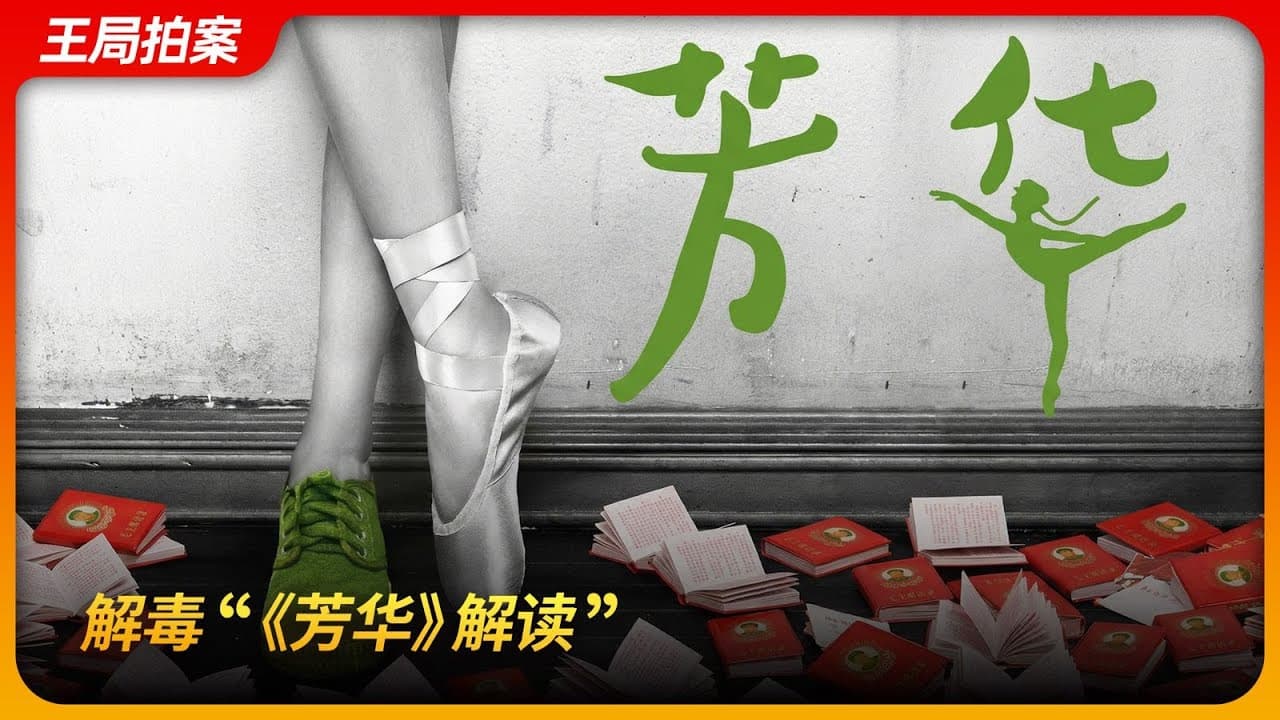
Feng Xiaogang’s Youth is presented as Yan Geling’s honest reflection on her military art-troupe experience, not a coded glorification of the Cultural Revolution. A three-part Bilibili reinterpretation totaling about one hour and 50 minutes instead mapped Liu Feng to Wang Hongwen and other characters to political figures. The narrator explains why that viral theory conflicts with Yan Geling’s stated guilt about the era. Read on for the claims, evidence, and rebuttal.
Transcript
Lately, a movie Feng Xiaogang made 8 years ago, Youth, has blown up again. It reminded me of something he once said. We have trash directors, and trash movies, because there are trash audiences. I feel like that quote needs a bit of an update for this moment. Even a good movie can end up with trash audiences. Trash lasts forever. It never really go... Read More
Key Insights
- Youth was made by Feng Xiaogang about eight years ago and blew up again recently after a Bilibili creator posted an unconventional reinterpretation, pulling the film and its lead actor Huang Xuan back into the spotlight.
- Feng Xiaogang once said there are trash directors and trash movies because there are trash audiences, and the narrator argues even a good movie can attract trash audiences who reach trashy conclusions.
- The Bilibili uploader, Liao Hui Dianying Ba, has reviewed movies for five years but felt the niche was too crowded, so he pivoted to unconventional interpretations, admitting he tends to go off track.
- His Youth series ran three parts totaling about an hour and 50 minutes, roughly as long as the film itself, and was taken down on December 5th, which made viewers suspect he had hit the truth.
- The uploader claimed the film's characters are coded historical figures: the boss is Mao, Liu Feng is Wang Hongwen, He Xiaoping hints at Zhang Qing whose stage name was Lan Ping, and the interrogator is Ye Jianying.
- He argued Mao launched the Cultural Revolution because comrades from before the PRC's founding had become a new privileged class of worker aristocrats, bureaucrats, and capitalist roaders drifting from ordinary people.
- The narrator says the uploader's Che Guevara quote was checked by later historians and Che likely never said it; Che visited China in 1960, and Zhou Enlai reportedly found him bandit-like and trouble-seeking.
- Novelist Yan Geling wrote Youth for Feng Xiaogang, drawing on her own military art troupe experience, calling it her most honest work and a reflection on guilt over how people persecute others to feel safe.
Install to Summarize YouTube Videos and Get Transcripts
Explore YouTube Video Summarizer or Get YouTube Transcript Extractor
Questions & Answers
Q: What is the real meaning behind Feng Xiaogang’s Youth?
The narrator argues that Youth is an honest reflection on its era, shaped by novelist Yan Geling’s own military art-troupe experience. Yan described the work as reflecting her guilt about how people may join in persecuting someone else to feel safe, which undermines claims that the story glorifies the Cultural Revolution.
Q: Why did Feng Xiaogang’s Youth become popular again?
The revival began after Bilibili creator Liao Hui Dianying Ba released an unconventional three-part interpretation in November. The series totaled about one hour and 50 minutes, and its removal on December 5 made some viewers suspect that the creator had uncovered a hidden truth.
Q: What did Liao Hui Dianying Ba claim Youth was secretly about?
The uploader claimed the film encoded Cultural Revolution history through its characters and conflicts. He mapped the boss to Mao, Liu Feng to Wang Hongwen, He Xiaoping to Zhang Qing, whose stage name was Lan Ping, and Liu Feng’s interrogator to Ye Jianying.
Q: Why does the narrator reject the Wang Hongwen interpretation of Liu Feng?
The narrator considers the broader coded-history theory a major misunderstanding because it conflicts with Yan Geling’s account of why she wrote Youth. Her description of the work as honest and rooted in personal reflection provides a more direct explanation than the uploader’s symbolic character mappings.
Q: Who wrote Youth, and what inspired its story?
Yan Geling wrote the story for Feng Xiaogang after he approached her with an idea. Because she had served in a military art troupe when she was young, she proposed writing a novel first and drew many parts from her own experiences.
Q: How are Liu Feng and He Xiaoping portrayed in Youth?
Both characters come from poor families without influential backgrounds, unlike many members of the military art troupe. Liu Feng seeks acceptance by becoming a selfless model helper, while the excluded He Xiaoping lies and steals another girl’s uniform in an attempt to fit in and send a military photograph to her father.
Q: How did Huang Xuan respond to the attention surrounding Youth?
Huang Xuan was drawn into the revival when people compared his appearance to a charismatic leader from CCP history and posted jokes on his Weibo. He reacted angrily, warning that he would immediately block people who made those jokes.
Q: Why did the removal of the three Bilibili videos strengthen the hidden-meaning theory?
The three videos were removed on December 5 after the uploader had suggested that he might be checked and asked viewers to support him if that happened. Some viewers therefore treated the removal as evidence that his interpretation had hit the truth, although the narrator argues that the interpretation itself was mistaken.
Summary & Key Takeaways
-
Feng Xiaogang's film Youth, made about eight years ago, went viral again after a Bilibili creator posted an unconventional three-part reinterpretation. This dragged the film and lead actor Huang Xuan back into attention, with people joking Huang resembled a charismatic CCP-era leader, which he angrily pushed back against, threatening to block them.
-
The uploader Liao Hui Dianying Ba claimed Youth secretly encodes Cultural Revolution history: the boss is Mao, Liu Feng is Wang Hongwen, He Xiaoping hints at Zhang Qing, and the interrogator is Ye Jianying. He said Mao started the revolution because old comrades had become a new privileged class oppressing workers.
-
The narrator counters that this reading is likely wrong. Novelist Yan Geling wrote Youth for Feng from her own art-troupe experience, calling it her most honest work and a reflection on guilt about that era. She would not glorify the Cultural Revolution, undermining the uploader's coded-history interpretation.
Read in Other Languages (beta)
Share This Summary 📚
Summarize YouTube Videos and Get Video Transcripts with 1-Click
Try YouTube Summary with ChatGPT & Claude or YouTube Transcript Generator
Explore More Summaries from 王志安 📚
Summarize YouTube Videos and Get Video Transcripts with 1-Click
Try YouTube Summary with ChatGPT & Claude or YouTube Transcript Generator