Why Didn't Otto Warmbier Survive North Korea?
TL;DR
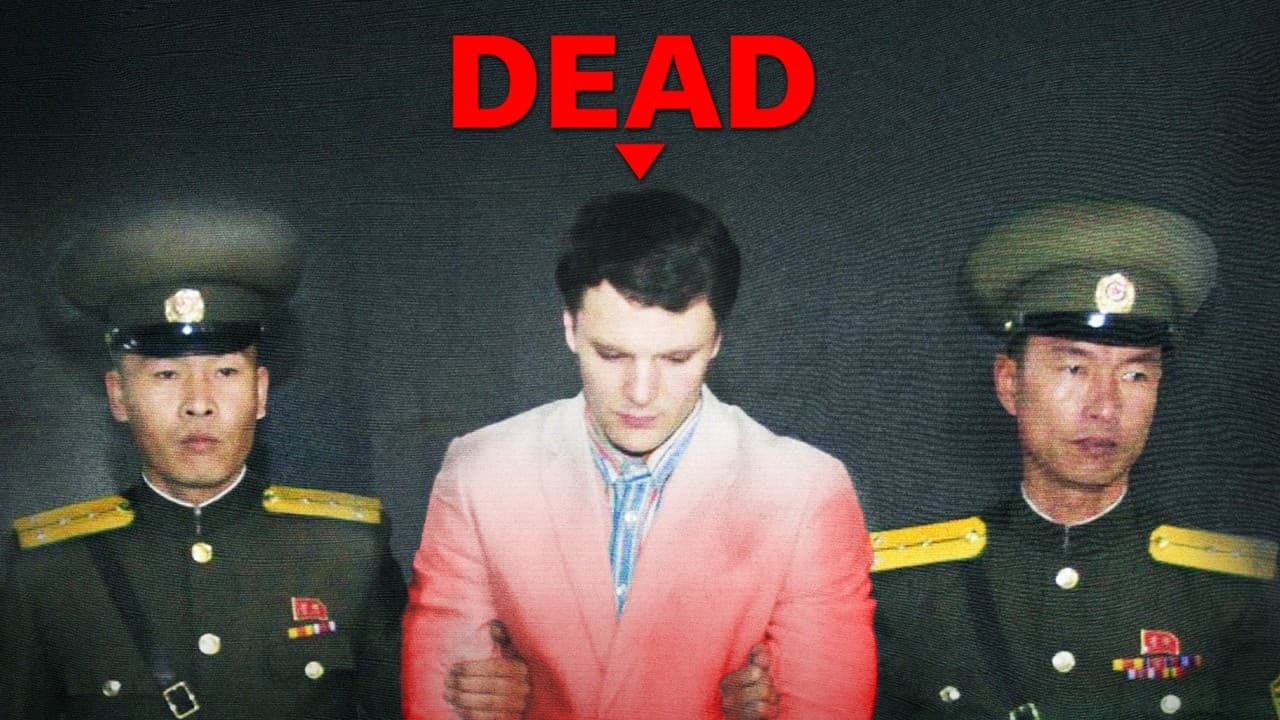
Otto Warmbier, an American student, was detained in North Korea for allegedly stealing a propaganda poster. Despite a public confession, widely believed to be coerced, he was sentenced to 15 years of hard labor. After 17 months in captivity, he was returned to the U.S. in a vegetative state and died shortly after, sparking international outrage and raising questions about his treatment in North Korea.
Transcript
This is Otto Warbeer. He's a 21-year-old American college student. >> My crime is very severe and pre-planned. I regret my actions more than anything. >> 2 months ago, he went on a New Year's party tour with a travel agency. The destination was Pyongyang, the capital of North Korea. On the early morning of January 1st, 2016, I committed my crime ai... Read More
Key Insights
- Otto Warmbier was a 21-year-old American detained in North Korea for allegedly stealing a poster.
- His confession was likely coerced, as North Korea has a history of forced confessions.
- Warmbier was sentenced to 15 years of hard labor but likely did not endure typical labor camp conditions.
- He was returned to the U.S. in a vegetative state, with his death raising suspicions of torture.
- North Korea claimed Otto suffered botulism, but U.S. doctors found no evidence supporting this.
- The case heightened tensions between the U.S. and North Korea, impacting diplomatic relations.
- Otto's condition upon return was described as unresponsive wakefulness, with extensive brain damage.
- The exact cause of his brain injury remains unknown, with theories ranging from torture to suicide.
Install to Summarize YouTube Videos and Get Transcripts
Explore YouTube Video Summarizer or Get YouTube Transcript Extractor
Questions & Answers
Q: How did Otto Warmbier end up in North Korean custody?
Otto Warmbier was detained in North Korea after allegedly stealing a propaganda poster from his hotel in Pyongyang. He was on a guided tour with Young Pioneer Tours, which promoted travel to North Korea as safe. His actions were considered a hostile act against the state, leading to his arrest and subsequent trial.
Q: What was Otto Warmbier accused of in North Korea?
Otto Warmbier was accused of committing a hostile act against North Korea by stealing a propaganda poster from a restricted area in his hotel. This act was interpreted as an attempt to undermine the unity of the North Korean people, leading to charges of state subversion under North Korean law.
Q: Why is Otto Warmbier's confession considered coerced?
Otto Warmbier's confession is considered coerced due to North Korea's history of forcing detainees to make public confessions for propaganda purposes. Experts noted inconsistencies in his confession, and both the church and the secret society mentioned in his statement denied any involvement, suggesting the confession was staged.
Q: What were the conditions of Otto Warmbier's detention in North Korea?
While Otto Warmbier was sentenced to 15 years of hard labor, he likely did not experience the harsh conditions typical of North Korean labor camps. Reports suggest he was held in a guest house in Pyongyang, possibly engaged in less severe tasks like planting soybeans, as North Korea considered him a valuable bargaining chip.
Q: What medical condition did Otto Warmbier return to the U.S. with?
Otto Warmbier returned to the U.S. in a state of unresponsive wakefulness, previously known as a vegetative state. He had extensive brain damage, with tests showing a loss of brain tissue in all regions. This condition indicated severe neurological injury, possibly due to oxygen deprivation, though the exact cause remains uncertain.
Q: What explanations were given for Otto Warmbier's brain injury?
North Korea claimed Otto Warmbier contracted botulism, leading to his brain injury, but U.S. doctors found no evidence supporting this. Theories include a possible suicide attempt, an allergic reaction, or excessive drug administration. However, no definitive cause has been established, and the true circumstances remain unknown.
Q: How did Otto Warmbier's case affect U.S.-North Korea relations?
Otto Warmbier's case significantly heightened tensions between the U.S. and North Korea, contributing to a broader diplomatic crisis. His death was used by the U.S. as evidence of North Korea's brutality, influencing public opinion and policy. The incident underscored the regime's harsh treatment of detainees and complicated diplomatic efforts.
Q: What role did Otto Warmbier's case play in international politics?
Otto Warmbier's case became a symbol of North Korea's human rights abuses and was used by the U.S. to rally international condemnation of the regime. It served as a catalyst for increased sanctions and diplomatic pressure on North Korea, while also being a point of contention in U.S.-North Korea negotiations during the Trump administration.
Summary & Key Takeaways
-
Otto Warmbier was detained in North Korea for allegedly stealing a propaganda poster and sentenced to 15 years of hard labor. His public confession was likely coerced, a common practice in North Korea. After 17 months, he returned to the U.S. in a vegetative state, sparking international outrage and suspicion of torture.
-
North Korea claimed Otto suffered from botulism, but this was disputed by U.S. medical experts who found no evidence of such a condition. Despite theories of torture, suicide, or medical mishap, the true cause of his brain injury remains unknown. His case significantly impacted U.S.-North Korea relations.
-
The case of Otto Warmbier highlighted the brutal nature of the North Korean regime and its use of detainees as political pawns. Otto's death and the circumstances surrounding it served as a catalyst for heightened tensions between the U.S. and North Korea, with diplomatic relations being deeply affected.
Read in Other Languages (beta)
Share This Summary 📚
Summarize YouTube Videos and Get Video Transcripts with 1-Click
Try YouTube Summary with ChatGPT & Claude or YouTube Transcript Generator
Explore More Summaries from fern 📚





Summarize YouTube Videos and Get Video Transcripts with 1-Click
Try YouTube Summary with ChatGPT & Claude or YouTube Transcript Generator