How Is AI Changing the Future of Music and Creativity?
TL;DR
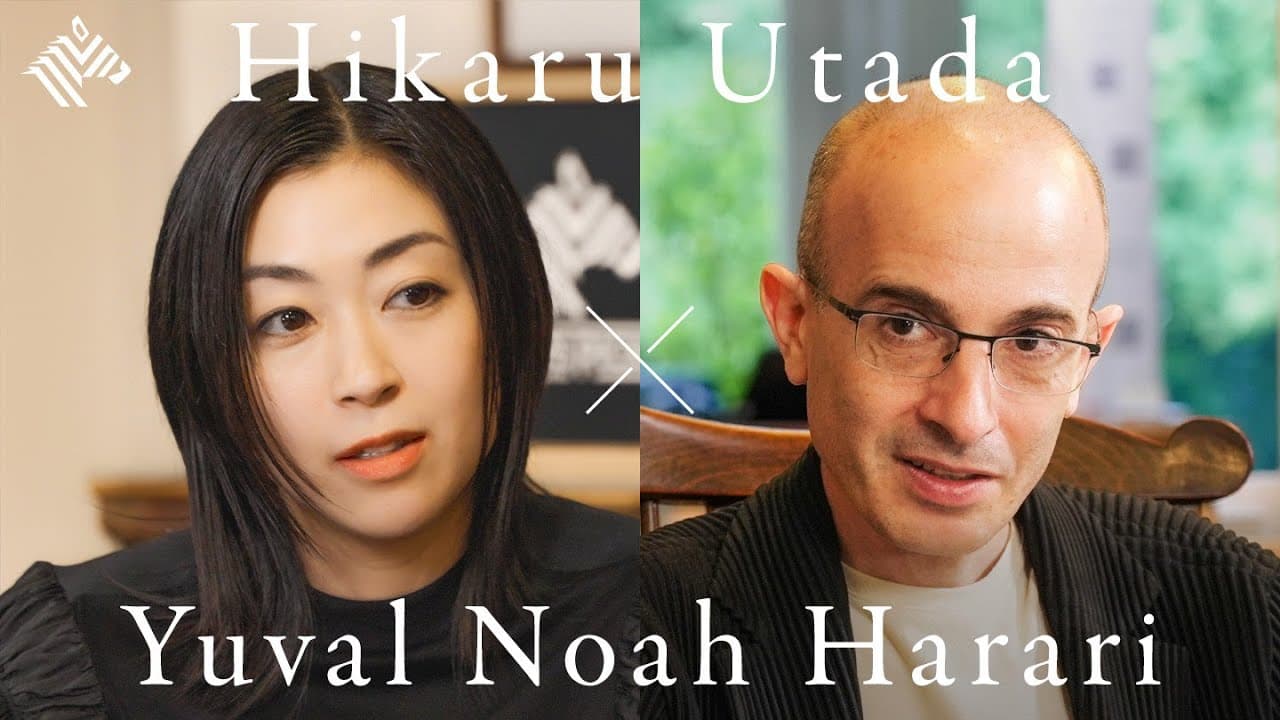
AI is transforming the landscape of music and creativity by introducing new methods of composition and challenging the value of human artistry. While AI can generate music independently, the intrinsic human desire to create and connect emotionally remains irreplaceable. The future may see artists focusing more on storytelling and personal engagement as AI becomes more prevalent in creative fields.
Transcript
Hi. Hey. It's very nice to meet you. It's nice to meet you, too. Well, I'm I'm very happy to be here. It's very nice to meet you. Yeah. I'm also happy to meet you and especially in this location in the Freud Museum. I think it's the perfect place to talk about art and creativity and the human mind and you know in this age of of AI uh when all of th... Read More
Key Insights
- AI is increasingly influencing creative fields, challenging traditional notions of creativity and human uniqueness in art.
- The conversation highlights the emotional connections people are forming with AI, as seen in AI-generated music and AI companions.
- Hikaru Utada emphasizes the intrinsic human desire for creation, suggesting that AI cannot fully replace the human touch in art.
- Yuval Noah Harari discusses the potential for AI to surpass human creativity in certain areas, raising questions about the future value of human-made art.
- The dialogue explores the idea of music and texts existing independently of human input, with AI creating new forms without human intervention.
- AI's ability to tailor creative outputs to individual preferences poses both opportunities and challenges for human artists.
- The discussion touches on the evolving role of artists, who may need to focus more on personal storytelling and audience relationships.
- Both speakers express curiosity about the future of AI in creativity, acknowledging both the potential and the uncertainties it brings.
- More videos with Yuval Noah Harari:
Install to Summarize YouTube Videos and Get Transcripts
Explore YouTube Video Summarizer or Get YouTube Transcript Extractor
Questions & Answers
Q: What is the main concern about AI's role in creativity?
The main concern is that AI could surpass human creativity in certain areas, making human contributions less valuable. This raises questions about the future role of artists and the intrinsic value of human-made art in a world where AI can generate creative outputs autonomously.
Q: How does AI influence human emotions in creative fields?
AI influences human emotions by forming emotional connections through AI-generated music and AI companions. These interactions raise questions about the authenticity of emotions and the potential for AI to mimic human emotional responses, challenging traditional perceptions of emotional authenticity in art.
Q: Why do Utada and Harari believe humans will continue to create art?
Utada and Harari believe humans will continue to create art due to an intrinsic desire for creation and self-expression. Despite AI's capabilities, the human need to explore personal truths and connect with others through storytelling and artistic expression remains a fundamental aspect of human nature.
Q: What potential does AI have in generating new musical forms?
AI has the potential to generate new, unexplored musical forms by interacting with existing music independently of human input. This capability could lead to the discovery of novel musical territories that human imagination alone may not conceive, expanding the boundaries of musical creativity.
Q: How might artists adapt to a future with AI in creative fields?
Artists might adapt by focusing on personal storytelling and building relationships with their audience. As AI becomes more capable of generating creative outputs, artists may need to emphasize the human elements of art, such as personal experiences and emotional connections, to maintain their relevance.
Q: What challenges do personalized AI-generated creative outputs pose?
Personalized AI-generated creative outputs pose challenges by potentially overshadowing human artists, as AI can tailor content to individual preferences. This capability challenges artists to differentiate their work by emphasizing unique human experiences, emotions, and storytelling that AI cannot replicate.
Q: How does the conversation address the future of AI in creativity?
The conversation addresses the future of AI in creativity by exploring both the potential and uncertainties it brings. Utada and Harari express curiosity about AI's role, acknowledging its ability to transform creative fields while also considering the implications for human artists and the value of human-made art.
Q: What is the significance of the brain-stomach barrier mentioned in the dialogue?
The brain-stomach barrier signifies the disconnect between intellectual understanding and emotional acceptance of AI's impact. While the brain may comprehend AI's capabilities, the emotional response, rooted in instinct and gut feelings, often lags behind, influencing how individuals perceive and react to AI-driven changes.
Summary & Key Takeaways
-
Yuval Noah Harari and Hikaru Utada discuss the impact of AI on creativity, particularly in music. They explore how AI is challenging traditional creative processes and the emotional connections people form with AI. Utada emphasizes the human desire for creation, while Harari questions AI's potential to surpass human creativity.
-
The conversation delves into the future of music in an AI-driven world, considering how AI could generate new, unexplored musical forms. They discuss the implications for artists, who may need to focus on storytelling and audience engagement as AI becomes more prevalent in creative fields.
-
Harari and Utada express curiosity and apprehension about AI's role in creativity. They consider the possibility of AI creating art independently, raising questions about the value of human-made art and the evolving relationship between humans and AI in artistic endeavors.
Read in Other Languages (beta)
Share This Summary 📚
Summarize YouTube Videos and Get Video Transcripts with 1-Click
Try YouTube Summary with ChatGPT & Claude or YouTube Transcript Generator
Explore More Summaries from NewsPicks /ニューズピックス 📚
Summarize YouTube Videos and Get Video Transcripts with 1-Click
Try YouTube Summary with ChatGPT & Claude or YouTube Transcript Generator