What Causes Water Hammer and How Can It Be Prevented?
TL;DR
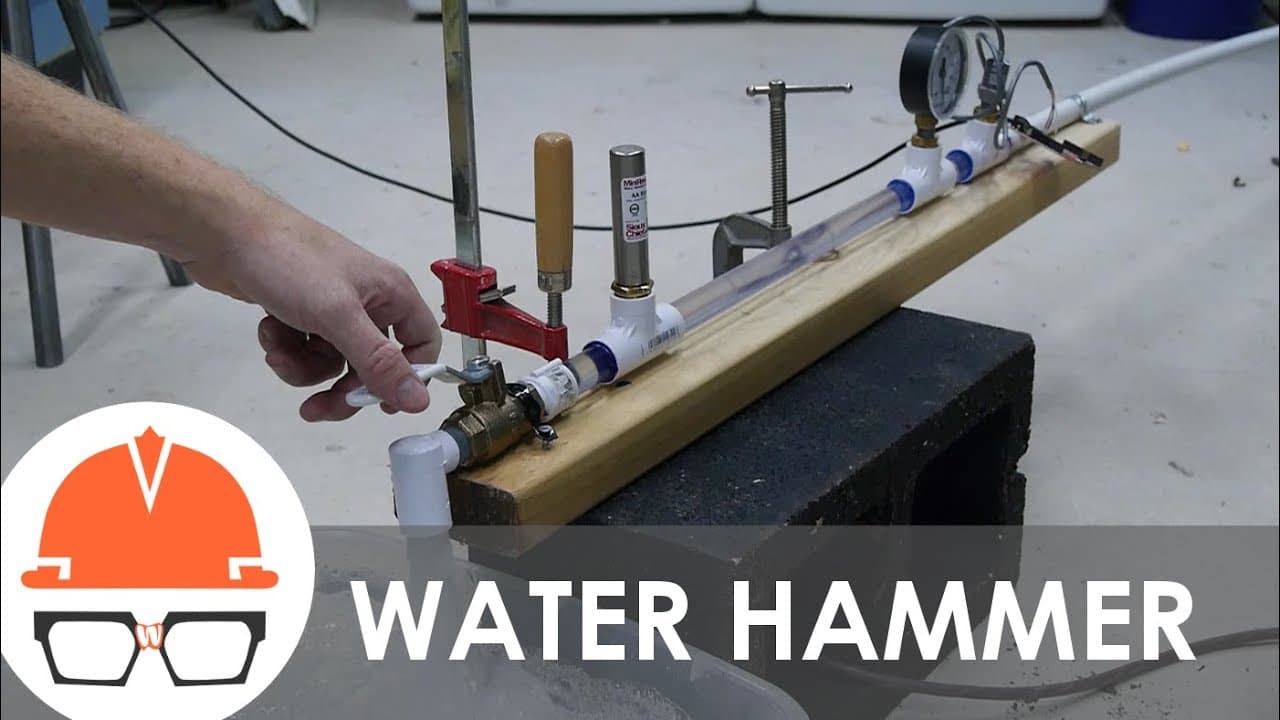
Water hammer occurs when sudden changes in water flow create pressure spikes that can damage pipelines. Engineers mitigate its effects by controlling fluid velocity, increasing pipe size, using anti-surge devices, and ensuring valves close slowly to absorb shockwaves and prevent infrastructure damage.
Transcript
You might know that most liquids are incompressible (or least barely-compressible), which means no matter how much pressure you apply, their volume doesn’t change. This can be really useful, like in hydraulic cylinders, but that lack of “springiness” can also lead to catastrophic failure of pipe systems. Hey I’m Grady, and this is Practical Enginee... Read More
Key Insights
- Water hammer occurs when a sudden change in water flow causes a pressure spike in pipes, potentially leading to damage.
- The incompressibility of water means it can't absorb sudden changes in momentum, leading to shockwaves in pipe systems.
- Engineers design systems to mitigate water hammer by controlling flow velocity, using larger pipes, and slowing valve closures.
- Anti-surge devices like air bladders and flexible pipes help absorb shockwaves, reducing water hammer effects.
- Wave celerity, or the speed of sound through a fluid, is a key factor in water hammer, influenced by fluid and pipe properties.
- Water towers in urban distribution systems help manage pressure surges by allowing water levels to fluctuate.
- Proper pipeline design and operation protocols are crucial in preventing water hammer-related infrastructure damage.
- Water hammer can be as destructive as a bomb, highlighting the importance of engineering solutions to manage these forces.
Install to Summarize YouTube Videos and Get Transcripts
Explore YouTube Video Summarizer or Get YouTube Transcript Extractor
Questions & Answers
Q: What causes water hammer in pipelines?
Water hammer is caused by a sudden change in water flow, such as quickly closing a valve. This abrupt halt in movement creates a pressure spike because water, being incompressible, cannot absorb the momentum change. The resulting shockwave travels through the pipe, potentially causing damage.
Q: How do engineers mitigate the effects of water hammer?
Engineers mitigate water hammer by controlling the fluid velocity, using larger pipes to reduce flow speed, and ensuring valves close slowly. They also employ anti-surge devices, like air bladders, to absorb shockwaves. These strategies help manage pressure spikes and protect pipe systems from damage.
Q: What role does wave celerity play in water hammer?
Wave celerity, or the speed of sound through a fluid, affects how quickly pressure waves propagate through a pipe during water hammer. It's influenced by the fluid's compressibility and the pipe's material. In rigid systems, pressure waves reflect with less attenuation, exacerbating water hammer effects.
Q: Why is water hammer compared to a bomb in the video?
Water hammer is compared to a bomb because both involve sudden pressure spikes that can rupture containers. In water hammer, the pressure surge from a rapid flow change can cause pipes to burst, similar to an explosion. This comparison underscores the potential destructiveness of unmanaged water hammer.
Q: What is the significance of anti-surge devices in pipeline systems?
Anti-surge devices are crucial in pipeline systems as they absorb shockwaves, reducing the pressure spikes associated with water hammer. These devices, like air bladders or flexible pipes, help prevent damage by providing elasticity to otherwise rigid systems, thus safeguarding infrastructure integrity.
Q: How do water towers help in managing water hammer in urban areas?
Water towers help manage water hammer by allowing water levels to fluctuate, absorbing pressure surges. They act as a buffer, providing elasticity in the system. This prevents sudden pressure changes from causing damage, ensuring stable water supply and protecting urban infrastructure from water hammer.
Q: What is the relationship between pipe size and water hammer?
Pipe size is inversely related to the velocity of fluid flow; larger pipes reduce flow velocity, mitigating water hammer effects. Smaller pipes increase velocity, potentially exacerbating pressure spikes. Engineers balance cost and size to minimize water hammer risks while maintaining efficient pipeline operation.
Q: Why is controlling valve operation speed important in preventing water hammer?
Controlling valve operation speed is crucial in preventing water hammer because gradual valve closures reduce the sudden momentum changes that cause pressure spikes. Slow valve operation allows pressure to dissipate more evenly, minimizing shockwave intensity and protecting pipes from potential damage.
Summary & Key Takeaways
-
Water hammer is a hydraulic transient phenomenon where sudden changes in water flow create pressure spikes that can damage pipelines. Engineers mitigate this by adjusting flow velocity, pipe size, and valve operation speed, and using anti-surge devices. These strategies help absorb shockwaves and prevent infrastructure damage.
-
The incompressibility of water means that sudden halts in flow result in significant momentum changes, akin to slamming concrete. This can cause shockwaves, known as water hammer, which travel through pipes and potentially cause damage. Engineers use various methods to reduce these effects.
-
Key methods for mitigating water hammer include controlling the speed of fluid through pipes, using larger pipes to reduce velocity, and ensuring valves close slowly. Anti-surge devices and flexible piping also help absorb pressure spikes, protecting the integrity of pipe systems.
Read in Other Languages (beta)
Share This Summary 📚
Summarize YouTube Videos and Get Video Transcripts with 1-Click
Try YouTube Summary with ChatGPT & Claude or YouTube Transcript Generator
Explore More Summaries from Practical Engineering 📚





Summarize YouTube Videos and Get Video Transcripts with 1-Click
Try YouTube Summary with ChatGPT & Claude or YouTube Transcript Generator