When Kitty Litter Caused a Nuclear Catastrophe
TL;DR
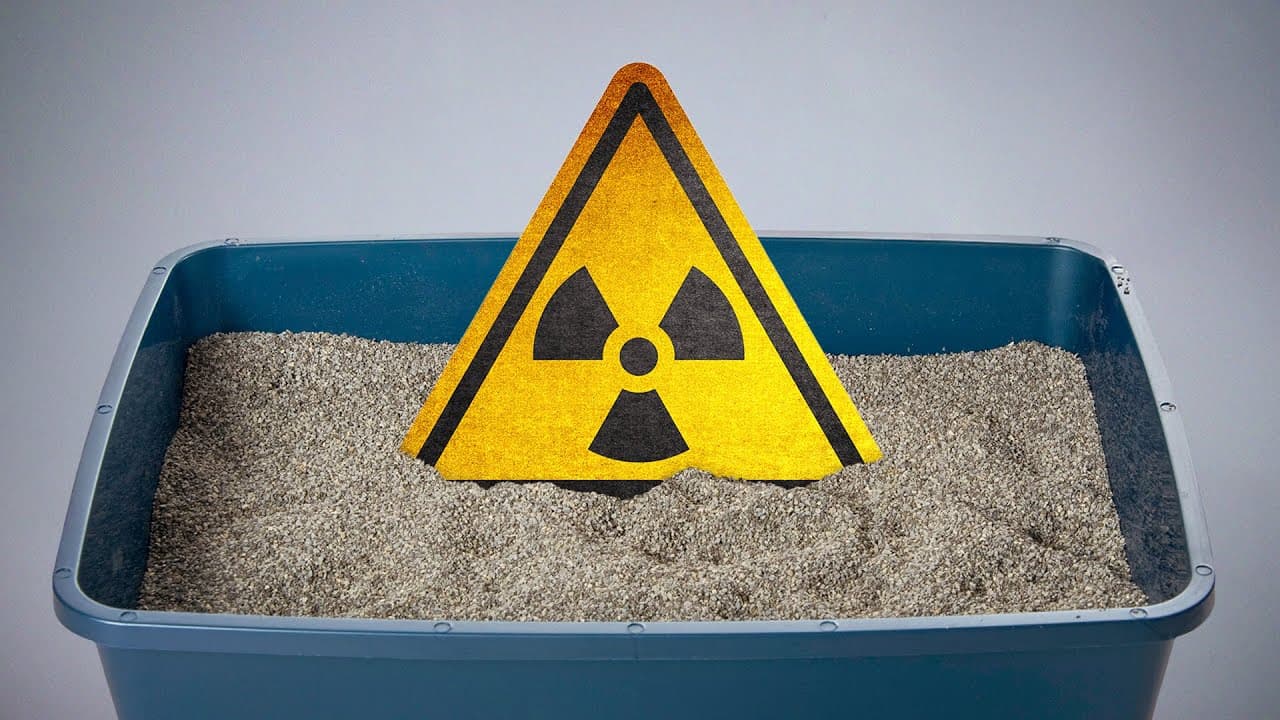
A nuclear disaster was caused by using the wrong kitty litter.
Transcript
Late in the night of Valentine’s Day 2014, air monitors at an underground nuclear waste repository outside Carlsbad, New Mexico, detected the release of radioactive elements, including americium and plutonium, into the environment. Ventilation fans automatically switched on to exhaust contaminated air up through a shaft, through filters, and ou... Read More
Key Insights
- In 2014, a nuclear waste container breach at WIPP released radioactive materials, highlighting the challenges of nuclear waste management.
- The Waste Isolation Pilot Plant (WIPP) is built in a salt formation to prevent groundwater contamination and naturally entomb waste over time.
- The incident was caused by using organic kitty litter instead of inorganic absorbents, leading to a chemical reaction with nitrate salts.
- The breach resulted in the release of radioactive particles, but safety systems minimized exposure and prevented significant health impacts.
- The root cause of the incident involved systemic issues at Los Alamos, including miscommunication and procedural errors.
- The cleanup of the WIPP facility was extensive and costly, requiring nearly three years and half a billion dollars to complete.
- WIPP's timeline for closure has been extended significantly, raising concerns about long-term nuclear waste management.
- The incident underscores the importance of vigilance and accurate communication in handling nuclear materials safely.
Install to Summarize YouTube Videos and Get Transcripts
Explore YouTube Video Summarizer or Get YouTube Transcript Extractor
Questions & Answers
Q: What caused the nuclear waste container breach at WIPP in 2014?
The breach was caused by a chemical reaction between nitrate salts and organic kitty litter. The wrong type of absorbent material was used during repackaging at Los Alamos National Laboratory, leading to an exothermic reaction and thermal runaway. This resulted in the over-pressurization and breach of a waste drum, releasing radioactive materials.
Q: Why is WIPP built in a salt formation?
WIPP is built in a salt formation because salt is geologically stable and acts as a natural barrier to groundwater, preventing contamination. Over time, salt exhibits plastic behavior, slowly creeping to fill voids and entombing waste permanently. This characteristic makes it an ideal location for long-term nuclear waste storage, ensuring safety and isolation from the environment.
Q: How did the safety systems at WIPP respond during the incident?
During the incident, WIPP's safety systems activated automatically. The underground ventilation system switched to filtration mode, directing air through HEPA filters to capture radioactive particles. Although some leakage occurred, the filters significantly reduced the release of radioactive materials, minimizing exposure and preventing significant health impacts on workers and the public.
Q: What were the systemic issues identified at Los Alamos National Laboratory?
The systemic issues included miscommunication and procedural errors during the repackaging of nuclear waste. Specifically, there was a failure to adhere to the requirement of using inorganic absorbents. Instead, organic kitty litter was used, leading to a chemical reaction with nitrate salts. These issues highlighted the need for accurate communication and procedural compliance in handling hazardous materials.
Q: What were the consequences of the WIPP incident?
The consequences included a costly and extensive cleanup process, requiring nearly three years and half a billion dollars. The WIPP facility was shut down, and the ventilation system was entirely replaced. The incident also extended WIPP's timeline for closure, raising concerns about long-term nuclear waste management and public communication.
Q: How does WIPP's location contribute to its function as a nuclear waste repository?
WIPP's location in a salt formation contributes to its function by providing a stable and impermeable barrier to groundwater. The salt's plastic behavior over time helps naturally seal waste, ensuring long-term containment. Additionally, the depth and material composition shield the environment from radiation, making it an effective site for isolating hazardous nuclear waste.
Q: What lessons can be learned from the WIPP incident?
The WIPP incident teaches the importance of vigilance, accurate communication, and procedural compliance in nuclear waste management. It underscores the need for thorough understanding and adherence to safety protocols. The incident also highlights the complexities and challenges of long-term nuclear waste storage, emphasizing the necessity for effective risk communication to future generations.
Q: Why is WIPP's timeline for closure controversial?
WIPP's timeline for closure is controversial due to shifting estimates and public communication challenges. Initially projected for 2024, the closure date has been extended to between 2050 and 2085. This uncertainty raises concerns about the long-term management of nuclear waste, the facility's safety, and the implications for future generations. The incident further complicates public trust and perception.
Summary & Key Takeaways
-
In 2014, a breach at the Waste Isolation Pilot Plant (WIPP) in New Mexico released radioactive materials due to a chemical reaction caused by using the wrong type of kitty litter. The incident highlighted the complexities of nuclear waste management and the importance of accurate procedural adherence.
-
WIPP, built in a salt formation, is designed to prevent groundwater contamination and naturally seal waste over time. Despite safety systems minimizing exposure during the breach, the incident revealed systemic issues at Los Alamos National Laboratory, including miscommunication and procedural errors.
-
The cleanup of WIPP took nearly three years and cost about half a billion dollars. The incident has extended WIPP's closure timeline significantly, emphasizing the challenges of long-term nuclear waste management and the need for vigilance and effective communication.
Read in Other Languages (beta)
Share This Summary 📚
Summarize YouTube Videos and Get Video Transcripts with 1-Click
Try YouTube Summary with ChatGPT & Claude or YouTube Transcript Generator
Explore More Summaries from Practical Engineering 📚

Summarize YouTube Videos and Get Video Transcripts with 1-Click
Try YouTube Summary with ChatGPT & Claude or YouTube Transcript Generator