How Did the United States Take Puerto Rico?
TL;DR
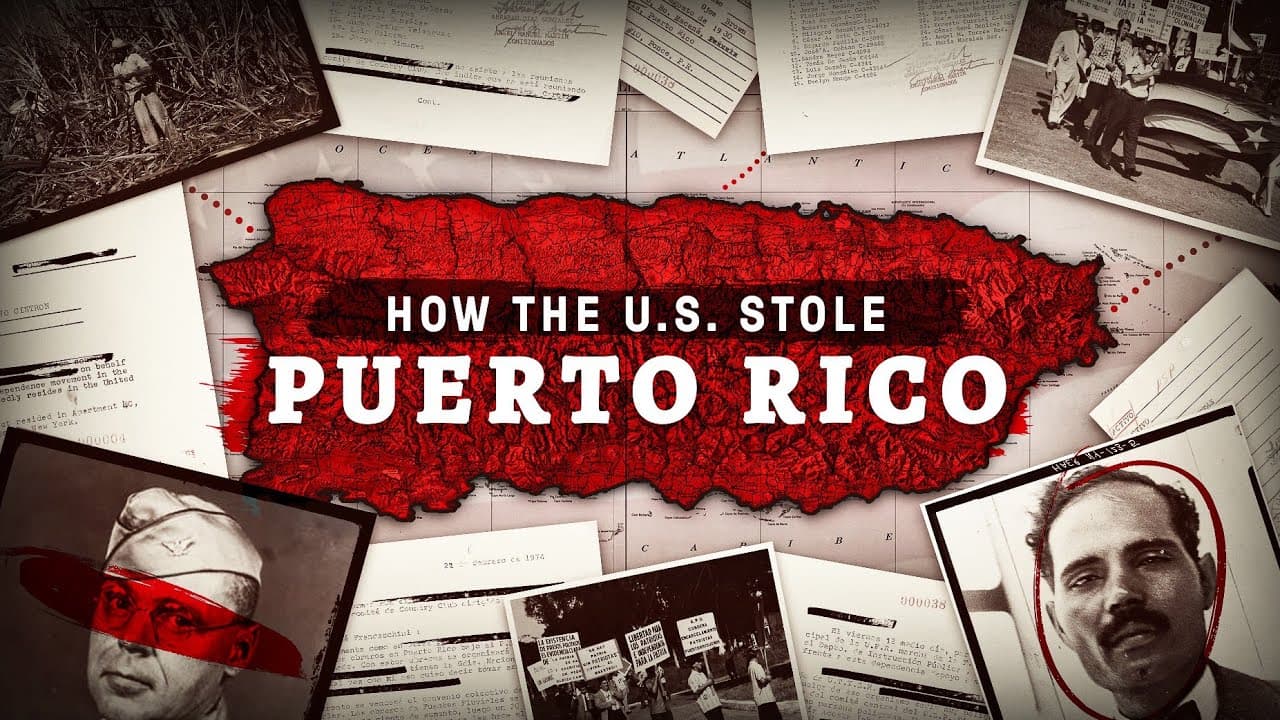
The United States took Puerto Rico after defeating Spain in 1898, transferring the island from Spanish to American rule instead of granting it independence. It then imposed political control, promoted American-owned sugar interests, restricted local shipping and currency, and used Puerto Rico as a military outpost. Read on to understand how territorial status, economic dependence, nationalist resistance, and surveillance reinforced American rule.
Transcript
- [Johnny] It's easy to forget that the US still has colonies, (dramatic music) but we don't actually use the word colony, we prefer words like unincorporated territory or commonwealth. These are places where people are subject to US rule, but don't enjoy the full rights that other Americans do. I wanna tell you about one of them, Puerto Rico. When... Read More
Key Insights
- Puerto Rico became a United States possession in 1898 after Spain transferred the island following the war. Rather than liberating the former Spanish colony, the United States established political control and began appointing American officials who often lacked knowledge of Puerto Rican language, culture, and society.
- American economic policy transformed Puerto Rico into a sugar-centered colony. United States banks issued predatory loans, foreclosed on land, and converted acquired property into sugar farms, while politically connected American businesses benefited from public funds and increasingly dominated the island's productive assets.
- Shipping and currency policies increased Puerto Rico's dependence on the mainland. Goods entering the island had to travel on American ships with American crews, raising local prices, while the devaluation and prohibition of Puerto Rico's currency caused residents to lose almost half their wealth overnight.
- Puerto Rican citizenship did not provide full constitutional equality. Congress granted citizenship shortly before a major global war, allowing Puerto Rican men to be sent into combat, while Supreme Court decisions had established the island as an unincorporated territory where the Constitution did not fully apply by 1922.
- Corporate control and low wages produced severe social hardship by the 1930s. Big banks owned 60% of sugar farms, 80% of tobacco farms, and all railroads and shipping facilities, while Puerto Rican workers earned less than four cents per hour amid growing poverty and malnutrition.
- Puerto Rico served as an important American military outpost because of its Caribbean location. The island helped protect trade routes and refuel ships, leading to expanding bases and installations, while thousands of tested bombs left behind what the account describes as one of America's most hazardous waste sites.
- The Puerto Rican independence movement combined political participation, labor action, protest, and resistance. Led by Pedro Albizu Campos, nationalists attracted ordinary residents frustrated by exploitation, but police killings, retaliatory violence, imprisonment, a disputed trial, and the Palm Sunday massacre escalated the conflict.
- The surveillance campaign targeted broad networks surrounding suspected political dissidents. FBI agents and Puerto Rican police monitored calls, letters, relationships, debts, school records, photographs, license plates, and wedding guests, while payments, coercion, and manipulation recruited informants and fractured families, friendships, and communities.
Install to Summarize YouTube Videos and Get Transcripts
Explore YouTube Video Summarizer or Get YouTube Transcript Extractor
Questions & Answers
Q: How did the United States take Puerto Rico?
The United States entered the war against Spain in 1898 while presenting its involvement as support for colonies seeking liberation. After Spain's defeat, Puerto Rico was transferred from Spanish authority to American authority, and the United States passed a law giving itself total political control over the island.
Q: How did American rule change Puerto Rico's economy?
American-appointed officials directed public funds toward American-owned businesses, while United States banks issued predatory loans, foreclosed on land, and converted it into sugar farms. By the 1930s, big banks owned 60% of the sugar farms, 80% of the tobacco farms, and all railroads and shipping facilities.
Q: Why did United States shipping and currency policies hurt Puerto Ricans?
Goods entering Puerto Rico had to be transported on American ships with American crews, which raised prices for local residents. The United States also devalued and then outlawed the local currency, causing Puerto Ricans to lose almost half their wealth overnight.
Q: What did Puerto Rico's unincorporated territory status mean?
By 1922, a series of Supreme Court cases had established Puerto Rico as an unincorporated territory. This meant that Puerto Ricans were subject to United States rule but the Constitution did not fully apply on the island, despite Congress granting them American citizenship.
Q: Why was Puerto Rico strategically important to the United States?
Puerto Rico's Caribbean position made it useful for protecting trade routes and refueling ships. The United States expanded military bases and installations there and later tested thousands of bombs, leaving behind what the account describes as one of the country's most hazardous waste sites.
Q: Who was Pedro Albizu Campos and what did he seek?
Pedro Albizu Campos was a Puerto Rican independence leader who attended Harvard, graduated as valedictorian from Harvard Law School, served the United States in World War I, and helped draft Ireland's independence constitution. He returned to Puerto Rico to pursue complete independence from the United States.
Q: How did authorities respond to Puerto Rican nationalists?
Authorities expanded and armed the police, imprisoned Pedro Albizu Campos after a disputed trial, and used violence against nationalist activity. At the Palm Sunday protest, police killed 19 people and wounded more than one hundred.
Q: How did the FBI and Puerto Rican police surveil independence supporters?
The FBI and Puerto Rican police intercepted calls and letters, collected personal records, and monitored relationships surrounding suspected political dissidents. They also recruited informants through payments and coercion and compiled detailed political files known as the Carpetas.
Summary & Key Takeaways
-
After defeating Spain in 1898, the United States took Puerto Rico instead of granting it independence. American-appointed officials gained political control, directed public resources toward American-owned businesses, and helped transform the island into a sugar-based economy dominated by outside banks, companies, shipping requirements, and mainland dependence.
-
Puerto Ricans received United States citizenship, but Supreme Court cases had classified the island as an unincorporated territory by 1922, meaning the Constitution did not fully apply there. Meanwhile, low wages, concentrated corporate ownership, poverty, malnutrition, military expansion, bombing tests, and restrictions on Spanish intensified resentment toward American rule.
-
Pedro Albizu Campos and the nationalists organized for independence through elections, strikes, protests, and resistance. Authorities answered with arrests, a disputed trial, shootings, executions, and the Palm Sunday massacre. The FBI and Puerto Rican police later built an extensive surveillance system using intercepted communications, informants, personal records, and files called the Carpetas.
Read in Other Languages (beta)
Share This Summary 📚
Summarize YouTube Videos and Get Video Transcripts with 1-Click
Try YouTube Summary with ChatGPT & Claude or YouTube Transcript Generator
Explore More Summaries from Johnny Harris 📚

Summarize YouTube Videos and Get Video Transcripts with 1-Click
Try YouTube Summary with ChatGPT & Claude or YouTube Transcript Generator