Mark Suster: The Co-Founder Mythology
Transcript
Read and summarize the transcript of this video on Glasp Reader (beta).
Install to Summarize YouTube Videos and Get Transcripts
Explore YouTube Video Summarizer or Get YouTube Transcript Extractor
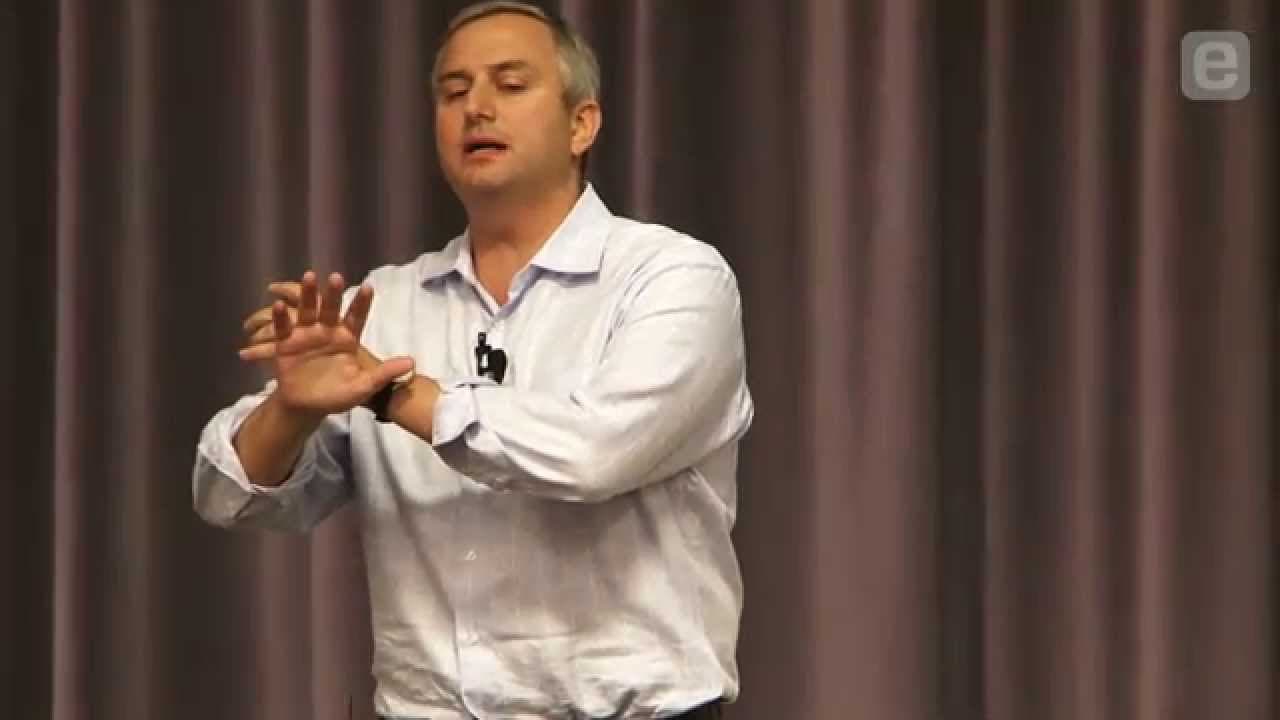
Summary
In this video, the speaker discusses the myth of the co-founder model and the importance of having a stable and fair equity distribution among founders. He explains that while the co-founder model has worked for successful companies like Google and YouTube, it is not the only model that works. Many startups face challenges when the founders have differing levels of commitment or when issues arise regarding who should be the CEO. The speaker recommends a sequencing approach, where a passionate founder is willing to share equity and involve others in decision-making, but with clear provisions in place in case of disagreements or changes in commitment. He also emphasizes the importance of founder vesting to protect both parties and discusses the problems that arise in fundraising when there are multiple founders with diluted equity.
Questions & Answers
Q: What is the myth about the co-founder model in Silicon Valley?
The myth is that the co-founder model is the only model that works, based on the successes of companies like Google and YouTube. This model assumes that the founders will always get along and have equal commitment, which is not always the case.
Q: What are some common challenges faced by startups with co-founders?
Startups often face challenges when the founders have differing levels of commitment or when issues arise regarding who should be the CEO. Life events, such as getting married or having other opportunities, can also create conflicts within the founding team.
Q: What is the speaker's preferred approach for building a startup team?
The speaker prefers a sequencing approach, where a passionate founder is willing to share equity and involve others in decision-making. This approach creates a stable environment and allows for collaboration while also providing provisions for potential disagreements or changes in commitment.
Q: What is the importance of founder vesting?
Founder vesting is crucial to protect the interests of both founders. It ensures that if one of the founders decides to leave or is not performing, their equity can be relinquished or redistributed to the remaining founders. This protects both parties and prevents a situation where one founder benefits from the equity without contributing to the company's success.
Q: What examples of problems can arise in fundraising when there are multiple founders?
When there are multiple founders in a startup, if some of them have already left or if there are dilutions in equity due to raising angel money, it can create complications in fundraising. Venture capitalists may be wary of getting involved when they see diluted equity or a situation where the founders' stakes have been significantly reduced.
Q: How does dilution of equity affect founders in subsequent investment rounds?
When startups raise subsequent investment rounds, the founders' equity can get further diluted. For example, if a founder initially had 12% equity, it can reduce to 8% in the next round and further decrease in subsequent rounds. This dilution becomes even more pronounced when stock options are introduced, which can negatively impact the founders' ownership and control over the company.
Q: Why do some venture capitalists prefer not to get involved in startups with complex founder situations?
Venture capitalists may choose not to get involved in startups that have complex founder situations, such as multiple founders with diluted equity. This could be due to concerns about future dilution, difficulties in decision-making, or a perception that the startup is not well-positioned for success.
Q: What does the speaker suggest to founders who want to follow the co-founder model?
If founders choose to follow the co-founder model, the speaker recommends implementing founder vesting to protect both parties. This ensures that there are provisions in place in case of disagreements or changes in commitment and provides a fair distribution of equity in the event of a departure.
Q: How does a stable and fair equity distribution benefit startups?
Having a stable and fair equity distribution among founders creates a better working environment and promotes collaboration. It allows for a passionate founder to lead the team while also involving others in decision-making. This approach fosters a sense of ownership and commitment among all team members, leading to a higher likelihood of long-term success.
Q: What is the speaker's overall message about the co-founder model?
The speaker's overall message is that while the co-founder model can work in certain cases, it is not the only model that leads to success. Founders should carefully consider their specific situation and be mindful of potential challenges that can arise. The key is to have a stable environment with a passionate leader who is willing to involve others in decision-making while also having provisions in place to address potential disagreements or changes in commitment.
Takeaways
The co-founder model in Silicon Valley is often seen as the only path to success, given the examples of companies like Google and YouTube. However, this model is not without its challenges. Startups can face conflicts and issues when founders have differing levels of commitment or when there are disagreements regarding leadership roles. It is important to consider alternative models and to establish a stable and fair equity distribution among founders. Founder vesting is crucial to protect the interests of all parties involved. When there are multiple founders with diluted equity, it can lead to complications in fundraising and can deter venture capitalists. Ultimately, founders should prioritize a stable environment with a passionate leader who is willing to share equity and involve others in decision-making, while also implementing provisions for potential disagreements or changes in commitment.
Read in Other Languages (beta)
Share This Summary 📚
Summarize YouTube Videos and Get Video Transcripts with 1-Click
Try YouTube Summary with ChatGPT & Claude or YouTube Transcript Generator
Explore More Summaries from Stanford eCorner 📚
![Gale Anne Hurd: Producing a Career from the Ground Up [Entire Talk] thumbnail](/_next/image?url=https%3A%2F%2Fi.ytimg.com%2Fvi%2Fclc5Xj-5rVI%2Fhqdefault.jpg&w=750&q=75)
![Debbie Sterling: Disrupting the Pink Aisle [Entire Talk] thumbnail](/_next/image?url=https%3A%2F%2Fi.ytimg.com%2Fvi%2Fpptovj4UczY%2Fhqdefault.jpg&w=750&q=75)

Summarize YouTube Videos and Get Video Transcripts with 1-Click
Try YouTube Summary with ChatGPT & Claude or YouTube Transcript Generator