You’re Not Lazy, You’re a Victim of the Burnout Society
TL;DR
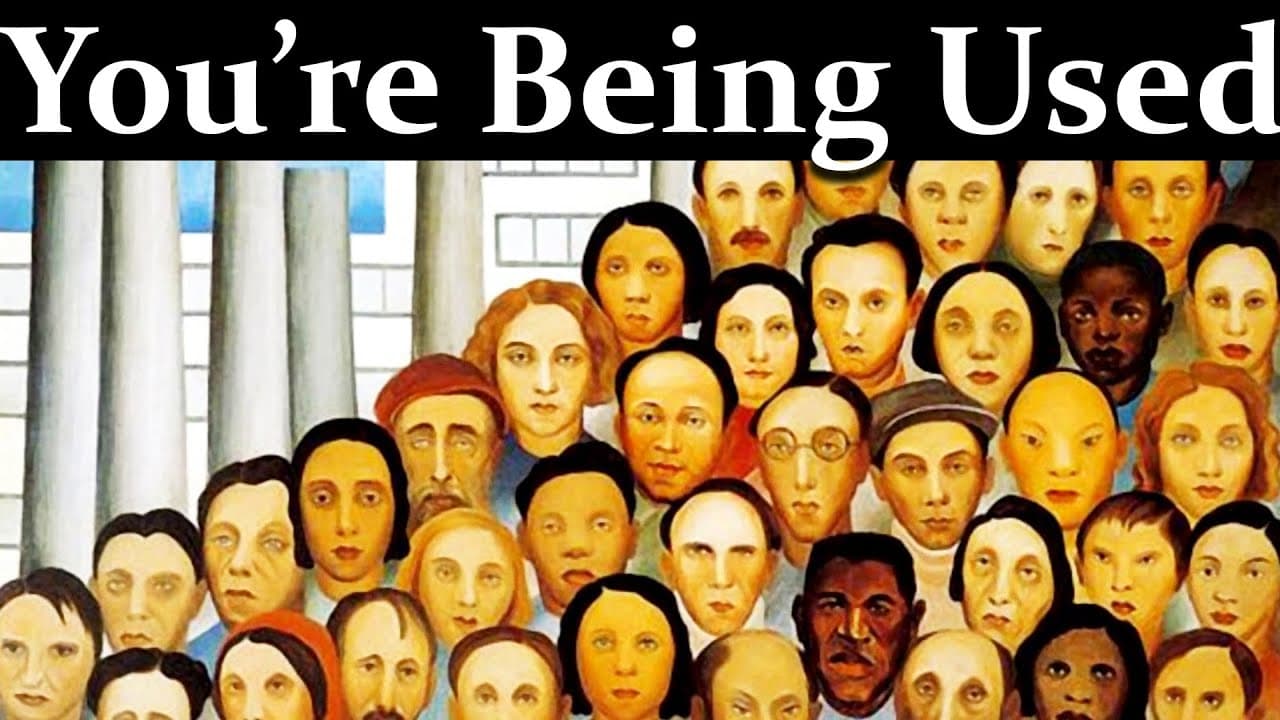
You are not simply lazy: the video argues that exhaustion often comes from a performance society that turns constant productivity into an internal demand. Drawing on Byung-Chul Han’s ideas, it describes existential burnout as an emptiness that a weekend break cannot resolve. It proposes saying no, embracing silence and boredom, and separating personal worth from output. Read on to understand how invisible self-exploitation keeps the cycle going.
Transcript
you wake up and you're already exhausted the body gets up but the mind drags chains the day hasn't even started and everything in you already weighs the thought the chest even the silence you look around and everything seems normal work is waiting for you your phone vibrates with demands disguised as opportunities and the world keeps telling you "C... Read More
Key Insights
- The video argues that modern society creates a burnout culture, where individuals are driven to exhaustion by an internalized demand for constant productivity.
- This societal pressure is described as 'existential burnout,' a deep-seated fatigue that cannot be resolved by simple rest or short breaks.
- The concept of 'performance society' is introduced, where individuals believe they have freedom but are actually trapped by the need to always be productive.
- Positivity is critiqued as a form of subtle oppression, where the pressure to always be happy and productive leads to mental health issues like anxiety and depression.
- The idea of 'self-exploitation' is discussed, highlighting how individuals have become their own oppressors, constantly pushing themselves to achieve more.
- The video suggests that true freedom comes from the ability to say 'no' and to refuse the constant demands of productivity and self-improvement.
- Silence, boredom, and doing nothing are presented as revolutionary acts that can help individuals reconnect with their true selves.
- The video calls for a recognition of burnout as a societal issue rather than a personal failure, advocating for a shift in how we view productivity and success.
Install to Summarize YouTube Videos and Get Transcripts
Explore YouTube Video Summarizer or Get YouTube Transcript Extractor
Questions & Answers
Q: Why does the video say you are not lazy?
The video argues that apparent laziness may actually be existential burnout caused by constant pressure to produce, improve, and remain available. People internalize these demands, feel guilty when resting, and blame themselves when they cannot keep up.
Q: What is the performance society described by Byung-Chul Han?
The performance society is a system in which people appear free but feel compelled to make every second useful and every action productive. Instead of obeying a visible authority, each person becomes an entrepreneur of themselves who can supposedly always improve, grow, and do more.
Q: How is a performance society different from a disciplinary society?
The disciplinary society described in the transcript relied on visible institutions, prohibitions, and commands such as “sit down,” “be quiet,” and “obey.” The performance society replaces “you can’t” with “yes, you can,” moving control from an external authority into a person’s own expectations and self-demands.
Q: What does self-exploitation mean in the burnout society?
Self-exploitation means becoming both the worker and the authority that continually demands more work. The person monitors and pressures themselves through goals, metrics, productivity, and self-improvement, creating an infinite race with no finish line or truce.
Q: What is existential burnout?
Existential burnout is an exhaustion that empties a person internally even while they appear normal externally. Unlike ordinary tiredness, the video says it cannot be solved by a weekend break because it is sustained by an ongoing system of performance and self-demand.
Q: Why does the video call excessive positivity harmful?
Excessive positivity turns encouragement about unlimited potential into pressure to perform without stopping. When everything is framed as possible through effort, every failure appears to be the individual’s fault, and people may keep smiling or claiming they are fine while approaching collapse.
Q: How has the demand for productivity changed rest and leisure?
The video says leisure is increasingly managed as another productivity project: reading must be productive, meditation becomes a performance technique, and exercise becomes mandatory. Even sleep is monitored, calculated, and optimized, so resting becomes preparation to perform better rather than genuine rest.
Q: How does the video suggest people resist burnout culture?
The video presents saying no to constant productivity and self-improvement as a form of genuine freedom. It also recommends allowing silence, boredom, and doing nothing so people can pause, reflect, and reconnect with themselves without having to prove their worth through output.
Summary & Key Takeaways
-
The video explores the concept of 'burnout society,' where individuals are driven to exhaustion by the constant demand for productivity. It argues that this is not a personal failing but a systemic issue.
-
Positivity and the pressure to always be happy and productive are critiqued as forms of subtle oppression, leading to mental health issues like anxiety and depression.
-
True freedom is suggested to come from saying 'no' to constant demands and embracing silence and boredom as ways to reconnect with one's true self.
Read in Other Languages (beta)
Share This Summary 📚
Summarize YouTube Videos and Get Video Transcripts with 1-Click
Try YouTube Summary with ChatGPT & Claude or YouTube Transcript Generator
Explore More Summaries from Psyphoria 📚


Summarize YouTube Videos and Get Video Transcripts with 1-Click
Try YouTube Summary with ChatGPT & Claude or YouTube Transcript Generator