Why Can't We Domesticate Zebras Like Horses?
TL;DR
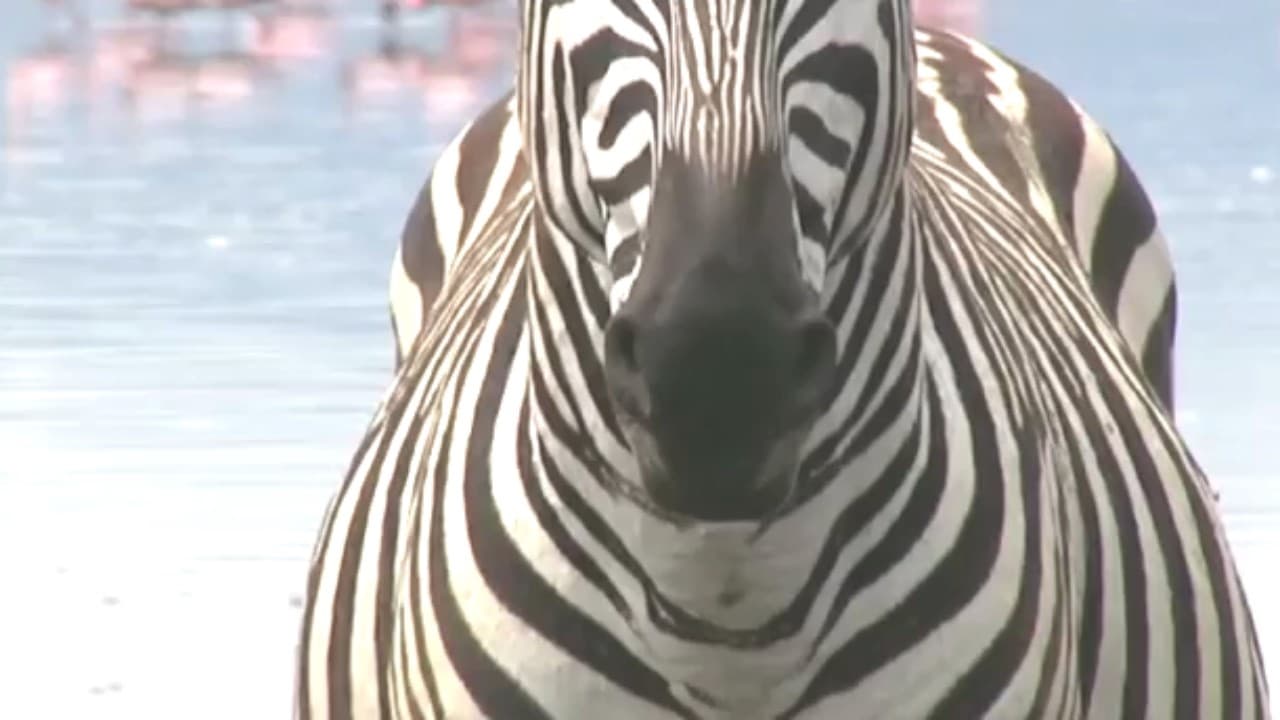
Zebras cannot be domesticated like horses because they are aggressive, lack a helpful family structure, and have a high reflexive flight response. Successful domestication requires animals to be friendly, feedable, fecund, and have social hierarchies that humans can utilize, which zebras do not possess.
Transcript
Sheep... weren't always this fluffy. We fluffy-fied them by breeding the fluffiest in each generation. This is domestication: sculpting wild animals for better human use. As we saw in Part 1, for early man, animals were powerful tools ...food, clothing, transportation, tractors. Yet, though there were animals everywhere, only a handful were domesti... Read More
Key Insights
- 😒 Domestication involves making wild animals more suitable for human use by selectively breeding desired traits.
- 😅 Herbivores and omnivores that can eat a wide range of food sources are easier to domesticate.
- ☠️ Animals with high reproductive rates and fast growth are more suitable for domestication.
- 👪 A hierarchical family structure makes animals more receptive to human control and training.
- ❓ Most domesticated animals have been bred to be drastically different from their wild counterparts.
- ⌛ Domestication of animals requires a significant investment of time and resources.
- 🖤 Animals that are dangerous or lack a family structure are less likely to be domesticated.
Install to Summarize YouTube Videos and Get Transcripts
Explore YouTube Video Summarizer or Get YouTube Transcript Extractor
Questions & Answers
Q: Why is it important for an animal to be feedable in order to be domesticated?
Animals that can consume a variety of food sources are easier to domesticate because they can survive on what is available and don't require specific diets.
Q: What are some challenges in domesticating wild carnivores?
Wild carnivores are not suitable for domestication due to their energetic requirements and inclination to use violence for hunting. It is difficult to control and breed animals that pose a threat to humans.
Q: What role does the reproductive rate of an animal play in domestication?
Animals with quick reproductive cycles are easier to domesticate because they can breed more frequently, allowing for faster progress in selective breeding and improvement of desired traits.
Q: Why is a family structure important for domestication?
Animals with a hierarchical family structure can easily adopt humans as their leaders, making it easier for humans to control and train them. It creates an environment where animals are more receptive to human dominance.
Summary & Key Takeaways
-
Domesticating animals involves making them more useful for humans.
-
Animals must be herbivores or omnivores that can eat a wide range of food.
-
They should have high reproductive rates and grow quickly.
-
The presence of a hierarchical family structure is important for domestication.
Read in Other Languages (beta)
Share This Summary 📚
Summarize YouTube Videos and Get Video Transcripts with 1-Click
Try YouTube Summary with ChatGPT & Claude or YouTube Transcript Generator
Explore More Summaries from CGP Grey 📚






Summarize YouTube Videos and Get Video Transcripts with 1-Click
Try YouTube Summary with ChatGPT & Claude or YouTube Transcript Generator