How to Improve Your Life With 10 Daily Habits
TL;DR
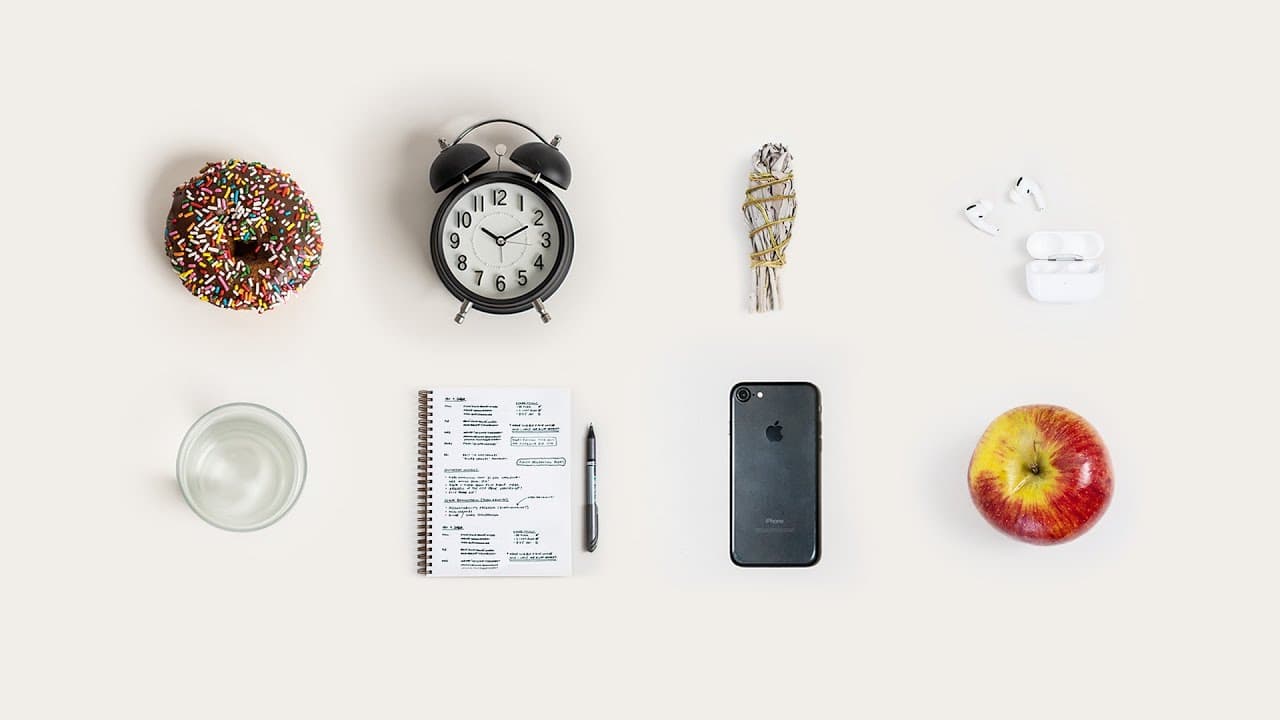
Small environmental changes can make healthy and productive actions easier to repeat every day. Put your alarm across the room, schedule personal priorities, remove distracting or unhealthy cues, prepare tomorrow’s tasks before bed, address relationship conflicts promptly, and reserve at least 10 quiet minutes for yourself. Repetition allows these simple behaviors to produce a compound effect over time.
Transcript
if you're looking to make huge improvements in your life it doesn't matter what you do every once in a while it's what you do every day that makes the difference and sometimes the simplest nudges and behavior are all it takes to make radical changes in your future so in this video i want to share with you the 10 smallest changes that i've made in m... Read More
Key Insights
- Daily consistency is presented as more influential than actions performed only occasionally. The recommended changes are intentionally small, and some require less than 10 seconds, but repeating them every day can create a compound effect across health, work, relationships, and mental well-being.
- Placing an alarm across the bedroom makes getting out of bed necessary before it can be turned off. This environmental adjustment interrupts the easy pattern of reaching for a nearby phone and repeatedly using the snooze function while remaining in bed.
- A personal item on a work-focused to-do list keeps nonwork priorities visible. Tasks such as going to the gym, preparing smoothies, or calling a parent can otherwise be delayed or forgotten during long and ambitious workdays.
- A praise folder is a record of positive feedback from bosses or clients. Reviewing it can counter moments of self-doubt, while saved comments can also provide credible evidence of past performance when discussing work with supervisors or prospective clients.
- Carrying a water bottle creates a recurring visual reminder to drink throughout the day. The speaker reports that staying hydrated also reduces his snacking because he sometimes interprets thirst as hunger, making the bottle useful for both hydration and eating habits.
- Unresolved conflict is more likely to linger when partners go to sleep angry without discussing it. The relationship practice recommended here is to address the disagreement before the night ends, even though doing so can be difficult during a late argument.
- Household food availability strongly influences the speaker’s eating choices. Limiting beer, candy, chocolate, ice cream, and other snack foods makes frequent consumption less convenient, while buying higher-quality, low-processed ingredients supports the healthier meals he wants to prepare.
- A silent, face-down phone removes visible notifications that can interrupt focused work. Preparing a physical to-do list before bed and placing it beside the alarm adds another environmental cue, giving the next morning immediate structure and a reminder of previously chosen commitments.
Install to Summarize YouTube Videos and Get Transcripts
Explore YouTube Video Summarizer or Get YouTube Transcript Extractor
Questions & Answers
Q: How can small daily habits improve your life?
Small habits can improve life by changing what happens repeatedly rather than relying on occasional bursts of effort. The approach described is to adjust the environment so desired actions become easier to notice and perform. Examples include placing an alarm across the room, carrying water, hiding phone notifications, preparing tomorrow’s list, and scheduling personal priorities. Repetition can then create a compound effect across work, health, relationships, and mental well-being.
Q: How can you make waking up early easier?
Place the alarm on the opposite side of the bedroom instead of keeping it within reach. This arrangement requires physically getting out of bed to turn it off, making it harder to remain under the covers while repeatedly pressing snooze. A physical to-do list can also be placed beside the alarm before bedtime, so the first visible morning cue reminds you what you intended to accomplish that day.
Q: How can a to-do list support work-life balance?
Add at least one personal item to a to-do list that would otherwise contain only work tasks. The personal item might be going to the gym, making smoothies, or calling a parent. Seeing that commitment whenever the list is checked prevents it from disappearing beneath work demands. This is especially useful when ambition and long workdays make important personal activities easy to postpone or forget completely.
Q: Why should you create a praise folder in your email?
A praise folder preserves positive messages from bosses and clients in one accessible place. When self-doubt appears or you begin questioning your direction, those messages can remind you that other people valued your work. The folder also has a practical professional purpose: saved comments and quotations can serve as credible evidence of performance when speaking with a supervisor, seeking support for your contributions, or presenting your abilities to potential clients.
Q: How can carrying a water bottle change daily behavior?
Keeping a water bottle nearby acts as a continuing environmental reminder to drink. It can travel to the gym, a cafe, a desk, or different rooms in the house, keeping hydration visible instead of depending on memory. The speaker also finds that drinking water reduces unnecessary snacking because sensations interpreted as hunger can sometimes be thirst. The bottle therefore supports more consistent drinking and may help limit his cravings for snacks.
Q: Why should partners avoid going to bed angry?
Going to bed while a disagreement remains unresolved can make it easier to wake up, ignore the issue, and allow it to become a larger future problem. The recommended practice is to talk about the conflict before the night ends, even when both people are tired or need some space. Resolving the issue promptly prevents repeated silence from establishing a pattern in which unhappiness and unresolved tension become accepted within the relationship.
Q: How can you make healthier eating easier at home?
Improve the default choices available at home by buying higher-quality, low-processed ingredients when affordable and limiting how much junk food enters the house. The speaker notes that if beer, candy, chocolate, snacks, or ice cream are readily available, he is likely to consume them more often because they are easier than preparing a meal. Moderation is still allowed, but controlling availability reduces frequent, convenient temptation.
Q: How can you reduce phone distractions while working?
Keep the phone silent and place it face down, in a pocket, or otherwise out of sight. A visible notification can prompt texting or browsing that continues for 30 or 40 minutes, and multiple small interruptions can substantially reduce the focused work completed during a day. Removing the visible cue makes attention less dependent on willpower and creates a work environment that supports staying with the current task.
Summary & Key Takeaways
-
Daily behavior matters more than occasional effort when trying to improve well-being, health, relationships, mental health, or work. The recommended approach is to make small changes to your environment and routines. Moving an alarm, carrying water, managing phone visibility, and preparing tasks in advance can make helpful actions easier to repeat.
-
Several changes protect priorities that work can easily displace. Adding a personal task to a work-heavy list creates a reminder to exercise, prepare food, or contact family. Saving positive feedback supports confidence and provides evidence of past performance. Resolving disagreements before sleep prevents relationship problems from being repeatedly ignored or left unresolved.
-
Food choices, attention, and quiet time can be shaped through deliberate boundaries. Buying higher-quality, less-processed ingredients and limiting household junk food changes the options immediately available. Silencing and hiding a phone reduces visible distractions. At least 10 minutes of stillness, walking, meditation, or music creates space for gratitude and reflection.
Read in Other Languages (beta)
Share This Summary 📚
Summarize YouTube Videos and Get Video Transcripts with 1-Click
Try YouTube Summary with ChatGPT & Claude or YouTube Transcript Generator
Explore More Summaries from Matt D'Avella 📚



Summarize YouTube Videos and Get Video Transcripts with 1-Click
Try YouTube Summary with ChatGPT & Claude or YouTube Transcript Generator