Martin Luther King Jr. Nobel Prize acceptance speech - Excerpt
Transcript
Read and summarize the transcript of this video on Glasp Reader (beta).
Install to Summarize YouTube Videos and Get Transcripts
Explore YouTube Video Summarizer or Get YouTube Transcript Extractor
Summary
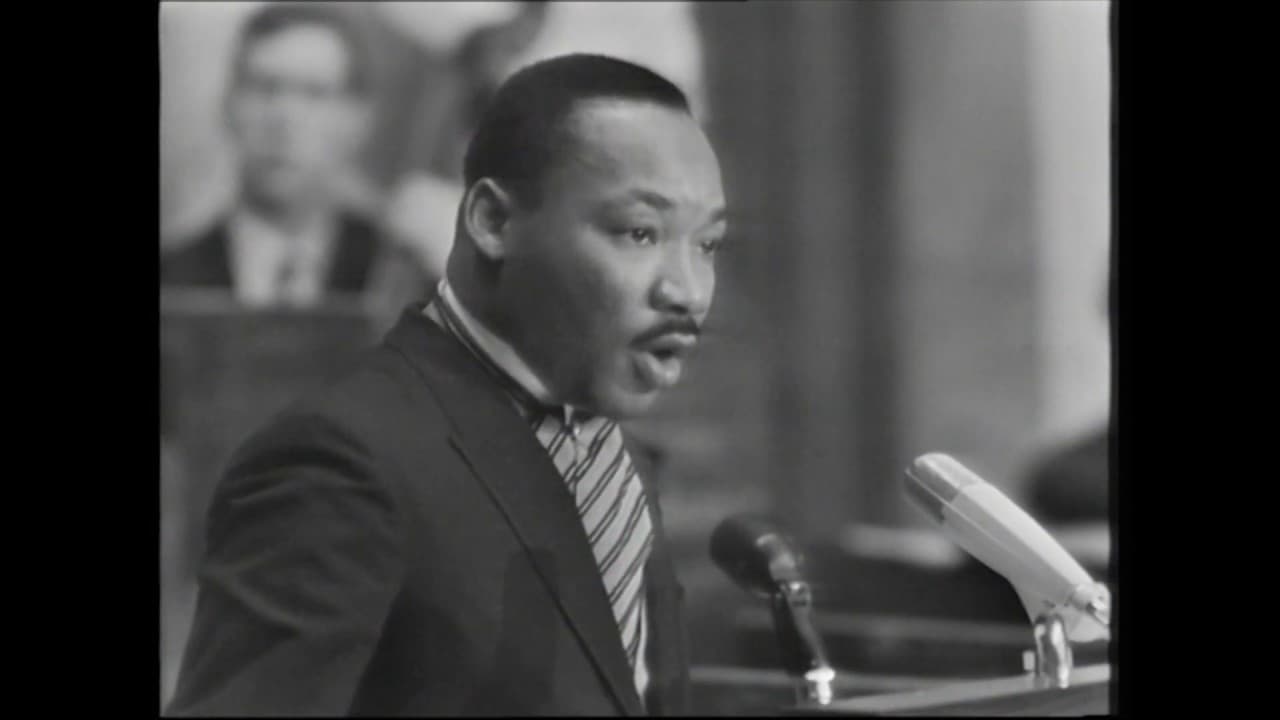
In this video, the speaker accepts the Nobel Prize for peace on behalf of the civil rights movement in the United States. He discusses the battle against racial injustice and emphasizes the importance of establishing freedom, justice, peace, and brotherhood. He expresses his refusal to accept the notion that racism and war are inevitable, and instead believes that truth and love will ultimately prevail.
Questions & Answers
Q: What is the speaker accepting the Nobel Prize for?
The speaker is accepting the Nobel Prize for peace on behalf of the civil rights movement in the United States. He acknowledges the creative battle that 22 million African Americans are engaged in to end racial injustice.
Q: How does the speaker describe the civil rights movement?
The speaker describes the civil rights movement as one that is moving with determination and a majestic scorn for risk and danger. The movement is striving to establish a reign of freedom and a rule of justice.
Q: What is the speaker's refusal to accept?
The speaker refuses to accept the view that mankind is tragically bound to the starless midnight of racism and war. He rejects the notion that peace and brotherhood can never become a reality.
Q: What does the speaker refuse to accept in relation to militarization?
The speaker refuses to accept the cynical notion that nation after nation must spiral down a militaristic stairway into the hail of nuclear annihilation. He challenges the idea that war and destruction are the inevitable path for nations.
Q: What does the speaker believe will have the final word?
The speaker believes that unarmed truth and unconditional love will have the final word in reality. He places his faith in the power of truth and love to prevail over racism, war, and injustice.
Q: What is the speaker's view on racism and war?
The speaker firmly believes that racism and war are not inevitable and should not be accepted as such. He holds the view that through the efforts of the civil rights movement and the power of truth and love, these issues can be overcome.
Q: What does the speaker think is necessary for peace and brotherhood to become a reality?
The speaker believes that in order for peace and brotherhood to become a reality, it is important to establish a reign of freedom and a rule of justice. These elements are crucial in breaking free from the night of racial injustice.
Q: What does the speaker see as the ultimate destination?
The ultimate destination, according to the speaker, is a bright day break of peace and brotherhood. He envisions a future where freedom, justice, and love prevail, leaving behind the darkness of racism and war.
Q: What is the speaker's attitude towards risking danger?
The speaker's attitude towards risking danger is one of majestic scorn. He acknowledges the risks involved in the battle against racial injustice, but the civil rights movement continues to move forward with determination.
Q: What does the speaker believe will ultimately prevail?
The speaker believes that truth and love will ultimately prevail. Despite the challenges and obstacles faced, he holds the unwavering belief that these forces will have the final word and shape the reality of peace, justice, and brotherhood.
Takeaways
In his acceptance speech for the Nobel Prize for peace, the speaker expresses his unwavering belief in the power of truth and love. He refuses to accept the notion that racism and war are inevitable and emphasizes the importance of establishing freedom, justice, and brotherhood. The civil rights movement, which he represents, is moving forward with determination and a disdain for risk and danger. Through their efforts, along with the unwavering force of truth and love, the speaker envisions a future where peace, justice, and brotherhood triumph over the darkness of racism and war.
Read in Other Languages (beta)
Share This Summary 📚
Summarize YouTube Videos and Get Video Transcripts with 1-Click
Try YouTube Summary with ChatGPT & Claude or YouTube Transcript Generator
Explore More Summaries from Nobel Prize 📚
Summarize YouTube Videos and Get Video Transcripts with 1-Click
Try YouTube Summary with ChatGPT & Claude or YouTube Transcript Generator