Is a 1985 Rolex Datejust a Bad Investment at $5,300?
TL;DR
A secondhand Rolex can be a reasonable store of value when purchased at or near market value, but it still carries insurance, appraisal and servicing costs. The speaker paid $5,300 for a 1985 Rolex Datejust, while cited used-price data showed an average annual value gain of 4.6% over the preceding 10 years. Read on for the complete ownership-cost calculation and the limits of calling the watch an investment.
Transcript
- So one thing you guys may or may not know about me is I actually live near the Saratoga Race Track, and I can remember when I was a kid going there to the races at one point in time and standing up against the rail at the race track. And I can remember looking to my right and seeing somebody sitting there with their wrist on the rail, and I looke... Read More
Key Insights
- Personal value preceded financial analysis: The Rolex purchase was not motivated solely by an expected return. The speaker had wanted one since childhood, when a watch seen at Saratoga Race Track became a symbol of success. That history explains why personal satisfaction matters in his decision even though he openly questions whether the same $5,300 could be invested elsewhere.
- The purchase followed a preset limit: Before entering Arlington Watch Works, the speaker established a spending ceiling of about $8,000. The selected 1985 Rolex Datejust cost $5,000 before tax, keeping it within that limit. This detail distinguishes an emotionally appealing purchase made inside a planned budget from one made without a stated financial boundary.
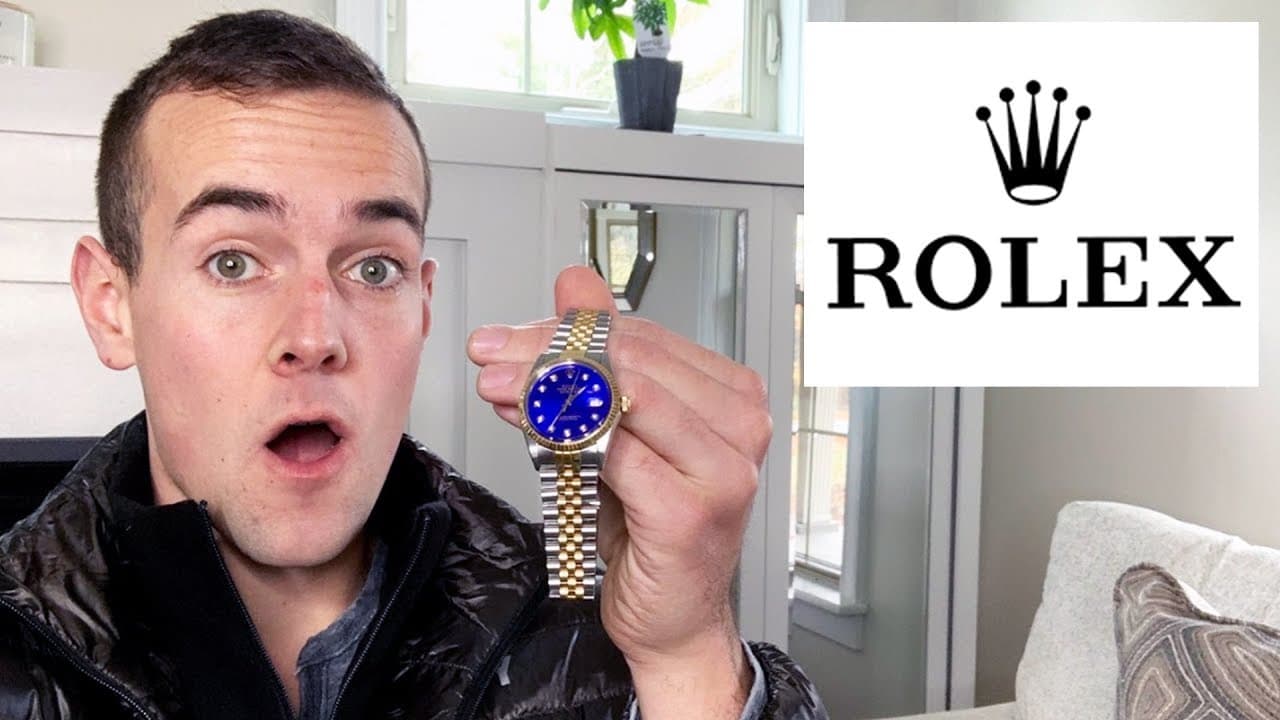
- Specific features drove the choice: The watch was not described merely as any used Rolex. It was a 1985 two-tone Datejust made with a mixture of 18-karat gold and stainless steel, plus a blue diamond dial. The speaker says he wanted it immediately after seeing it, showing how the exact design contributed to the decision.
- Taxes materially changed the headline price: The agreed price was $5,000, but the speaker spent $5,300 after adding $300 in taxes. That full amount is the appropriate initial cash outlay for evaluating his purchase. Focusing only on the advertised watch price would understate the money committed before insurance, appraisal or future servicing enters the calculation.
- Insurance addresses two ownership risks: A personal articles policy costs the speaker $60 each year and covers the Rolex if it is lost or stolen. The coverage has no deductible. This recurring expense reduces the economic benefit of any appreciation, but it also protects the owner against losing the entire value of an item worn outside the home.
- Appraisal served two purposes: The $50 appraisal was required to obtain the insurance policy, making it part of the speaker's initial ownership expenses. He also wanted the appraisal independently because it helped confirm that everything about the secondhand watch was legitimate. The same one-time cost therefore supported both insurance eligibility and purchase verification.
- Recent service delayed a major bill: The watch had just been serviced at the time of purchase, so the speaker expects no additional service for seven to 10 years. That timing improves the near-term ownership picture. A similar Rolex needing immediate service would carry a meaningfully different initial cost, given the stated average service charge of around $800.
- Accuracy signals service needs: The service interval is not presented as the only guide. According to the speaker, owners commonly notice that a Rolex begins losing track of time or no longer keeps time as accurately as desired. Those changes provide a practical indication that cleaning and service may be needed, even within a long ownership period.
- Price and cost are different: The speaker rejects the idea that an item's cost is always identical to its purchase price. His preferred measure is the difference between what the owner pays and what the owner later receives when selling it. Applied to a Rolex, this approach makes resale value central to judging whether ownership was expensive.
- Secondhand purchasing limits markup exposure: A brand-new Rolex or other luxury watch may immediately lose value because its retail markup can exceed the item's true market value. Buying secondhand at or near market value reduces that gap. The argument for low-cost ownership therefore depends not just on choosing Rolex, but on entering at an appropriate price.
- Historical appreciation supports the case: The speaker cites TimeRating research covering 22 years of used Rolex Datejust price data. Within that analysis, the average annual gain over the last 10 years was 4.6%. This figure supports the claim that Datejust watches have historically held value well, although the speaker frames eventual resale proceeds as the decisive measure of his actual cost.
- Investment value remains goal-dependent: The existing comparison is not that a Rolex automatically beats financial assets. The speaker contrasts a wearable watch with investing in the stock market or real estate, and recognizes that those alternatives can yield higher returns. The purchase makes more sense when value retention and personal satisfaction both matter to the buyer.
Install to Summarize YouTube Videos and Get Transcripts
Explore YouTube Video Summarizer or Get YouTube Transcript Extractor
Questions & Answers
Q: Is a Rolex a bad investment?
A Rolex is not necessarily a bad investment when it is purchased secondhand at or near market value. The speaker's reasoning is that true cost equals the purchase price minus the eventual sale price, alongside ownership expenses. He cites used Rolex Datejust data showing an average annual value gain of 4.6% over the last 10 years. However, insurance, appraisal, servicing and the price paid all affect whether a particular watch ultimately produces a profit or a cost.
Q: How much did the 1985 Rolex Datejust cost?
The speaker paid $5,000 for the 1985 Rolex Datejust at Arlington Watch Works. Taxes added $300, making the initial total $5,300. He had entered the store with a price limit of about $8,000, so the purchase remained within his planned budget. Insurance, appraisal and eventual servicing are separate expenses beyond that $5,300 total.
Q: What are the ongoing costs of owning this Rolex?
The personal articles insurance policy costs $60 per year and covers loss or theft with no deductible. A required appraisal cost another $50 as a one-time fee. Rolex recommends servicing every seven to 10 years, and the speaker gives an average service cost of around $800. These expenses must be considered because they reduce any financial benefit gained through resale or appreciation.
Q: Why did the speaker buy a secondhand Rolex instead of a new one?
The financial case depends on buying a Rolex at or near its market value. The speaker says a new Rolex or luxury watch can lose money immediately because of the difference between its markup and true market value. A secondhand purchase reduces exposure to that initial gap. If the watch later sells near or above the purchase price, the owner's true cost may be relatively low.
Q: How often does a Rolex need to be serviced?
The stated Rolex recommendation is once every seven to 10 years. The speaker's watch had just been serviced, so he expected it to remain fine for the next seven to 10 years. He says owners may recognize the need for service when the watch loses track of time or stops keeping time as accurately as desired. The average service cost he provides is around $800.
Q: Why was the Rolex appraised after purchase?
The appraisal was necessary to obtain the personal articles insurance policy. It cost $50 as a one-time fee. The speaker also wanted the appraisal to make sure everything about the secondhand watch was legitimate. It therefore supported both verification of the purchase and access to insurance covering loss or theft.
Q: What makes this 1985 Rolex Datejust distinctive?
The watch is a two-tone 1985 Rolex Datejust. Its materials combine 18-karat gold and stainless steel, a design the speaker says was very popular in the 1980s. Its differentiating feature is a blue diamond dial. Those details made the particular watch immediately desirable to him when he saw it at Arlington Watch Works.
Q: How should the true cost of a Rolex be calculated?
The speaker calculates true cost primarily from the difference between the purchase price and the later sale price. This method matters because a Rolex may retain or increase its market value while it is owned. Insurance, appraisal and servicing still need to be added because they are real ownership expenses. The final result cannot be known until the future selling price is compared with the $5,300 initial outlay and those additional costs.
Summary & Key Takeaways
-
A childhood symbol of success: The speaker first saw a Rolex while standing by the rail at Saratoga Race Track as a child. Seeing the watch on another person's wrist created an immediate association with success and inspired a goal to own one someday. He acknowledges that a watch cannot make someone successful and that the appearance of status could be financed with a credit card. Even so, that early memory gave Rolex a lasting personal meaning for him.
-
Finding the Rolex at FinCon: During a trip to Washington, D.C. for the finance convention FinCon, the speaker visited Arlington Watch Works with a friend who also likes watches. At this secondhand store, he found a 1985 Rolex Datejust that immediately appealed to him. The two-tone model combines 18-karat gold with stainless steel and has a blue diamond dial. He entered the store with a price limit of about $8,000, so the watch fit within his planned budget.
-
Calculating the purchase and upkeep: The watch itself cost $5,000, and taxes added $300, bringing the initial total to $5,300. The speaker also bought a personal articles policy for $60 per year, covering loss or theft without a deductible. Obtaining that insurance required a $50 one-time appraisal, which also helped confirm that the watch was legitimate. These expenses show why the purchase price alone does not capture every cost associated with Rolex ownership.
-
Planning for eventual servicing: Because the Datejust had just been serviced when purchased, the speaker expects it to be fine for the next seven to 10 years. Rolex recommends service at intervals of seven to 10 years, with an average stated cost of around $800. The process involves sending the watch back to Rolex for cleaning and service. Losing track of time or keeping time less accurately than desired are practical indications that another service may be necessary.
-
Defining the true ownership cost: The speaker argues that cost should be measured as the difference between the purchase price and the eventual sale price, with ownership expenses also considered. A secondhand Rolex bought near market value may therefore cost relatively little if it retains or increases its resale value. He cites a TimeRating analysis of 22 years of used Rolex Datejust price data, which found an average annual gain of 4.6% over the last 10 years. Buying new introduces a greater risk of losing the markup above market value.
Read in Other Languages (beta)
Share This Summary 📚
Summarize YouTube Videos and Get Video Transcripts with 1-Click
Try YouTube Summary with ChatGPT & Claude or YouTube Transcript Generator
Explore More Summaries from Ryan Scribner 📚



Summarize YouTube Videos and Get Video Transcripts with 1-Click
Try YouTube Summary with ChatGPT & Claude or YouTube Transcript Generator