5 Financial Traps To Avoid In A Recession
TL;DR
In a recession, it is crucial to avoid wasting stimulus checks, taking on more debt, lump sum investing, pulling out of the market, and skipping retirement contributions.
Transcript
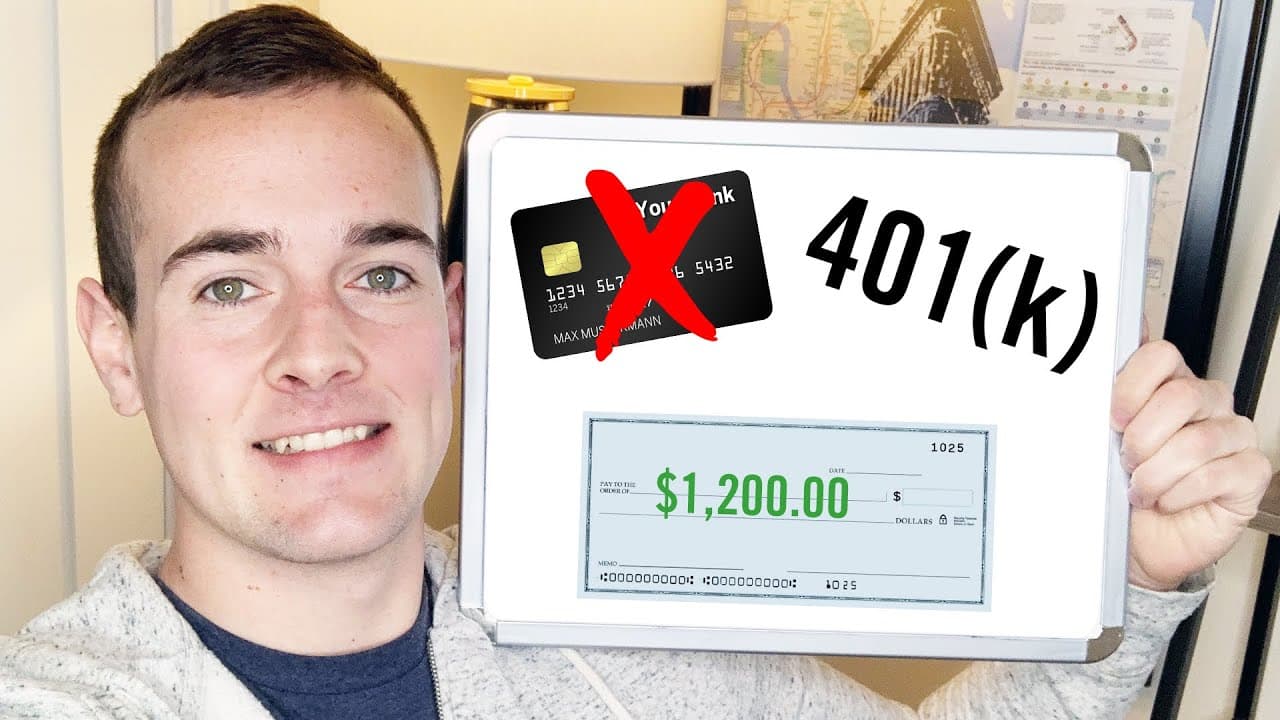
so we know that a lot of people have just gotten a $1,200 stimulus check from the US government and it may be burning a hole in your pocket meaning you are just out there looking to spend it but before you go out there and spend your stimulus check on a Gucci belt or something like that we're gonna cover the money traps or money mistakes that you w... Read More
Key Insights
- 😒 Many Americans have minimal savings, making it crucial to use stimulus checks wisely during a recession.
- 🥡 Avoid taking on more debt during a recession, even with attractive incentives, to mitigate financial uncertainty.
- 🌸 Lump sum investing can result in losses if the market continues to decline, so consider dollar-cost averaging instead.
- 🥺 Pulling out of the market during a recession can lead to missed opportunities for recovery.
- 🍉 Skipping retirement contributions during a downturn can hinder long-term growth potential.
- 🍉 The stock market offers potential discounts during a recession, making it an opportune time to invest for the long term.
- 🍗 Timing the market is difficult, and trying to predict its movements can be detrimental to investment returns.
Install to Summarize YouTube Videos and Get Transcripts
Explore YouTube Video Summarizer or Get YouTube Transcript Extractor
Questions & Answers
Q: How can I make the most of my stimulus check during a recession?
The purpose of the stimulus check is to assist in times of financial difficulty. Use it for essential expenses like rent, mortgage, or groceries, and consider putting it in a separate savings account to avoid unnecessary spending.
Q: Should I take advantage of financing offers for cars and furniture during a recession?
It may be tempting, but taking on more debt during a recession is not advisable. Stick to essential purchases and avoid increasing your monthly payments or inflating your lifestyle.
Q: Is lump sum investing a good strategy during a recession?
Lump sum investing can be risky during a recession as it eliminates the opportunity to average down if the market continues to decline. Consider dollar-cost averaging, investing small amounts regularly, to lower your cost basis.
Q: Should I pull out of the market during a recession to protect my investments?
Pulling out of the market during a recession can result in significant losses. Timing the market is challenging, and missed opportunities for recovery can hinder long-term growth.
Q: Is it wise to stop contributing to my retirement account during a recession?
No, it is not advisable to skip retirement contributions during a recession. Investing during a downturn allows you to buy stocks at a discount, and over the long term, the stock market has historically provided solid returns.
Summary & Key Takeaways
-
The biggest mistake to avoid is wasting your stimulus check. It is important to use it for essential expenses like rent, mortgage, or groceries.
-
Taking on more debt during a recession is tempting due to attractive incentives, but it is not advisable as it increases monthly payments and financial uncertainty.
-
Lump sum investing, or investing a large sum of money at once, can lead to losses if the market continues to decline. Dollar-cost averaging is a better strategy.
-
Pulling out of the market during a recession can result in significant losses. Timing the market is difficult, and missing out on potential recoveries can be detrimental.
-
Skipping retirement contributions due to market losses is a costly mistake. Investing during a recession offers the opportunity to buy stocks at a discount.
Read in Other Languages (beta)
Share This Summary 📚
Summarize YouTube Videos and Get Video Transcripts with 1-Click
Try YouTube Summary with ChatGPT & Claude or YouTube Transcript Generator
Explore More Summaries from Ryan Scribner 📚





Summarize YouTube Videos and Get Video Transcripts with 1-Click
Try YouTube Summary with ChatGPT & Claude or YouTube Transcript Generator