Top 3 Photos with Disturbing Backstories: How Was Cara’s Killer Caught? | HAUNTING Traces of Death
TL;DR
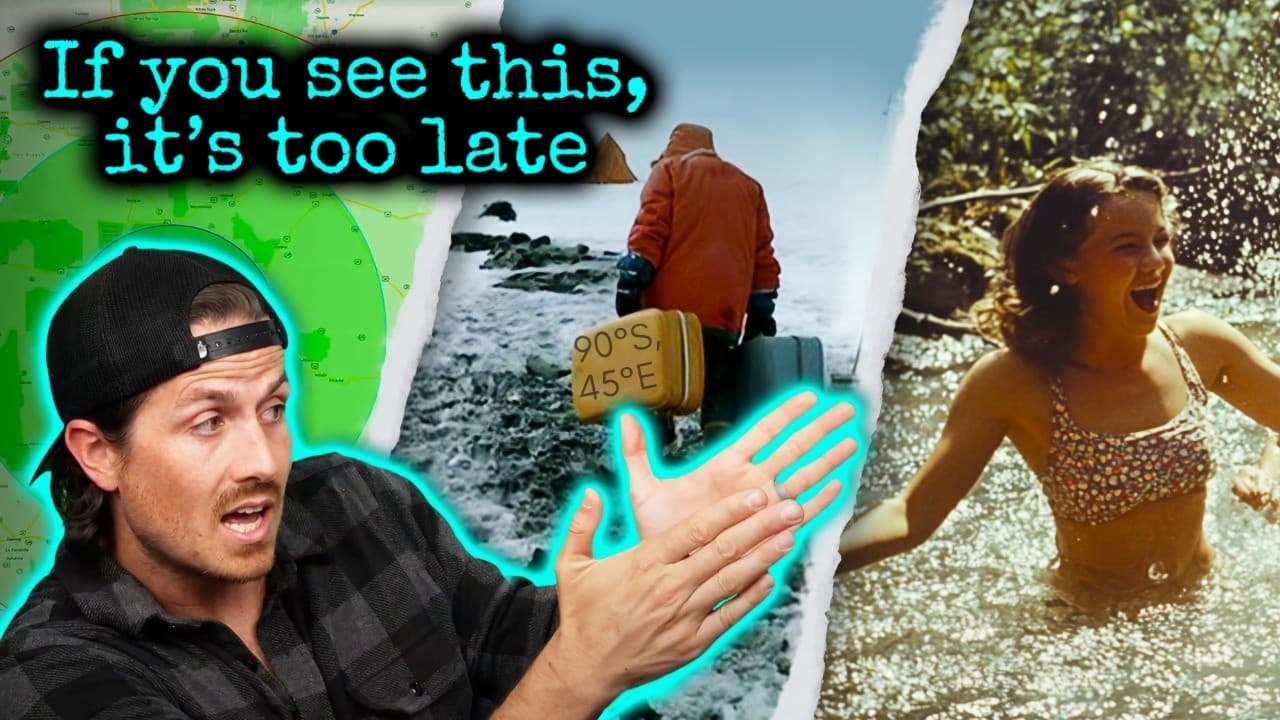
Cara’s killer was caught after surviving victims recognized California Highway Patrol officer Craig Peyer in a 90-second NBC highway-safety segment and reported him to police. The broadcast showed a fresh cut over his eyebrow, and calls began within an hour of its airing on December 29th, 1986. Investigators arrested Peyer just over two weeks later, but the disturbing clues hidden in the routine footage make the full story worth reading.
Transcript
today I'm going to share three stories that all have a haunting picture or video that is associated with them but before we get into those stories if you're a fan of the strange dark and mysterious delivered in story format then You' come to the right place because that's all we do and we upload once a week so if that's of interest to you please sn... Read More
Key Insights
- Officer Craig Peyer filmed an NBC highway-safety segment on Interstate 15 in San Diego on December 29th, 1986, roughly 36 hours after 20-year-old college student Cara was found strangled near the Mercy Road exit.
- The murder occurred on December 27th, 1986, when Cara pulled off Interstate 15 at the Mercy Road exit, stopped in a culdesac, and encountered her killer, who clubbed her over the head and strangled her with a rope.
- The killer had terrorized and held hostage more than two dozen other women in San Diego for a couple of hours each before releasing them, but Cara did not survive her encounter.
- Surviving victims recognized their attacker while watching the live news segment, having previously reported their attacks to police with no action taken until they saw him on television.
- A fresh cut over the attacker's eyebrow, visible in the broadcast, was the critical detail that connected Peyer to Cara's murder in the victims' minds.
- Within an hour of the clip airing, multiple women called police to report that the officer on TV was the man who had attacked them, prompting the investigation into Peyer.
- Just over two weeks after the tips came in, police gathered enough evidence to arrest Peyer, and the clues needed to solve the case were contained in the 90-second video.
- Craig Peyer was found guilty of murder, sentenced to 25 years to life, denied parole twice, and is scheduled to be up for parole again in 2027.
Install to Summarize YouTube Videos and Get Transcripts
Explore YouTube Video Summarizer or Get YouTube Transcript Extractor
Questions & Answers
Q: How was Cara’s killer caught?
Cara’s killer was caught after Craig Peyer appeared in an NBC highway-safety segment on December 29th, 1986. Women he had previously terrorized recognized him, noticed the fresh cut over his eyebrow, and called police within an hour of the broadcast. Investigators gathered enough evidence to arrest him just over two weeks later.
Q: Who killed Cara?
California Highway Patrol officer Craig Peyer was identified as Cara’s killer. He appeared in the safety segment warning drivers about highway dangers and assisting a stranded motorist. Peyer was convicted of murder and sentenced to 25 years to life.
Q: What happened to Cara near the Mercy Road exit?
Cara, a 20-year-old college student, stopped in a cul-de-sac near the Mercy Road exit while traveling home from her boyfriend’s house. The reason she stopped is unknown. Her attacker clubbed her over the head, strangled her with a rope, and left her body in a nearby creek.
Q: What clue in the highway-safety video exposed Craig Peyer?
The crucial visible clue was a fresh cut over Peyer’s eyebrow. Women who had survived previous encounters recognized him as their attacker and connected the injury with Cara’s killing. Their calls prompted police to investigate him.
Q: Why did NBC and the California Highway Patrol film the safety segment?
They collaborated because Cara’s killer had not been caught. The segment was intended to explain how drivers on Interstate 15 could stay safe, particularly when car trouble forced them to stop. It was filmed roughly 36 hours after Cara was found.
Q: How quickly did the broadcast lead to Craig Peyer’s arrest?
Multiple women contacted police within an hour of the 90-second segment airing. Police followed up on their tips and collected enough evidence to arrest Peyer just over two weeks later. The clues that initiated the investigation were visible in the broadcast.
Q: How many other women had Craig Peyer terrorized?
More than two dozen women in San Diego had reportedly experienced similar encounters. They were terrorized and held hostage for a couple of hours before being released, while Cara did not survive. Several had already reported their attacks before recognizing Peyer on television.
Q: What highway-safety advice did Craig Peyer give during the broadcast?
Peyer warned that car trouble requiring a highway stop was extremely hazardous and that leaving a stalled vehicle could expose someone to robbery, rape, or death. He also advised viewers not to enter a stranger’s car. During filming, he criticized a stranded driver for walking alone to obtain gasoline.
Summary & Key Takeaways
-
On December 29th, 1986, CHP officer Craig Peyer filmed an NBC highway-safety segment on Interstate 15 in San Diego, pointing out the Mercy Road exit where 20-year-old student Cara had been found strangled in a creek about 36 hours earlier.
-
During the segment Peyer warned drivers about the dangers of leaving a stalled car, then demonstrated by stopping to help a stranded motorist. To most viewers it looked like an ordinary police safety video with no unusual details.
-
Women Peyer had previously pulled over and terrorized recognized him on air, noticed a fresh cut over his eyebrow, and called police. Two weeks later he was arrested, convicted, and sentenced to 25 years to life, with parole denied twice and pending again in 2027.
Read in Other Languages (beta)
Share This Summary 📚
Summarize YouTube Videos and Get Video Transcripts with 1-Click
Try YouTube Summary with ChatGPT & Claude or YouTube Transcript Generator
Explore More Summaries from MrBallen 📚

Summarize YouTube Videos and Get Video Transcripts with 1-Click
Try YouTube Summary with ChatGPT & Claude or YouTube Transcript Generator