How to Lead with Why for Lasting Change in Teams
TL;DR
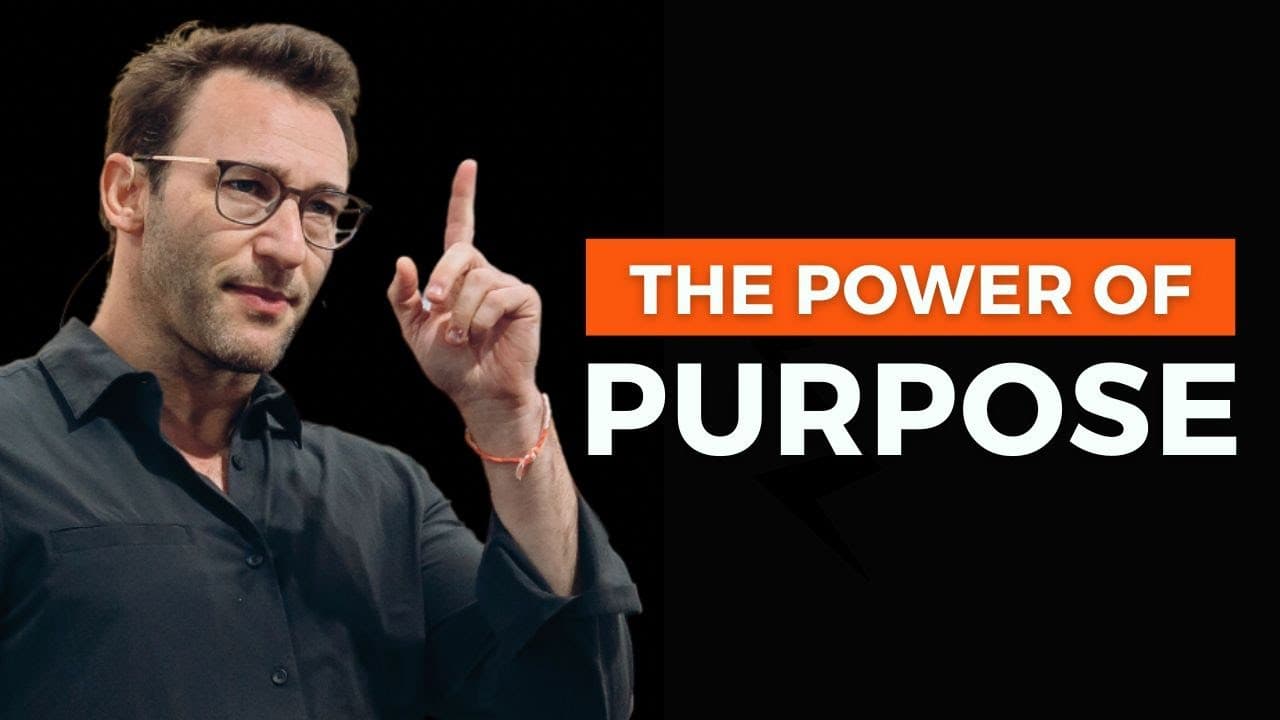
Starting with why drives action by tapping the limbic brain where feelings reside, not just language. Leaders who articulate beliefs recruit early adopters first, then expand through diffusion, creating authentic word of mouth. Focusing on purpose over profits builds trust and sustains movement across generations.
Transcript
before I wrote start with why uh I I discovered this idea that this concept of the Golden Circle where we all know what we do the jobs we have the things we do everybody knows in fact that's how we introduce ourselves I'm an epidemiologist you know that's you know I work and travel like that's literally how we introduce ourselves by what we do some... Read More
Key Insights
- Why is the central question for leadership impact, not what you do or how you do it, because purpose engages the limbic system which controls feelings and behavior.
- The law of diffusion shows that 2.5% are innovators and 13.5% are early adopters; targeting these groups yields higher movement momentum than mass marketing.
- Early adopters are willing to invest more energy to be part of something that reflects their beliefs, making them pivotal for broader change.
- Mass marketing often only reaches the cynical and practical majority; the real growth comes from engaging early adopters who translate belief into action.
- Starting with why is not about the TED Talk or a book release alone; it is a disciplined practice that aligns talk, actions, and partnerships around purpose.
- Word of Mouth is most trusted when it arises from early adopters who feel seen and reflected by the message, verification of truth through personal experience.
- Leaders who say no to non early-adopter opportunities preserve energy and focus, increasing consistency and credibility with the core audience.
- The diffusion process can produce a tipping point where the early majority follow after seeing validated initial success, leading to widespread adoption.
Install to Summarize YouTube Videos and Get Transcripts
Explore YouTube Video Summarizer or Get YouTube Transcript Extractor
Questions & Answers
Q: A real search query question about the video (e.g. 'How to...', 'What is...', 'Why does...', 'When should...'). Question 1
Why does starting with why matter for leadership impact and how does it influence decision making in real world teams? It matters because the limbic brain is the seat of feelings and behavior, not language, so leading with why connects on an emotional level. This alignment causes leaders to attract early adopters who share the same beliefs, and their enthusiasm fuels broader adoption as the idea diffuses through the organization and beyond.
Q: Question 2
How does the law of diffusion of innovations guide where leaders should invest efforts and resources? It guides by identifying innovators and early adopters as the most receptive audiences. By prioritizing these groups, leaders create a strong initial foothold that grows through social momentum, eventually tipping into mass adoption as the early majority observe validated success.
Q: Question 3
What is the role of the early adopters in driving a movement according to the video transcript? Early adopters are willing to expend more energy to align with a belief, they communicate their support to others, and their experience validates the idea, which reduces perceived risk for later audiences and accelerates diffusion.
Q: Question 4
How does focusing on why compare to focusing on what or how in leadership messaging? Focusing on why anchors messaging in purpose and belief, which resonates emotionally and drives action, whereas speaking only about what you do or how you do it can miss the deeper motivations that lead people to engage long term.
Q: Question 5
What factors help a concept achieve mass market acceptance after starting with why? A combination of early adopter endorsement, perceived authenticity, minimal reliance on heavy advertising, and word of mouth that carries the message as individuals share personal experiences with others, culminating in a social tipping point.
Q: Question 6
Why is the limbic brain important in understanding behavior and how does it relate to communication strategies? The limbic brain governs feelings and behavior, not rational analysis, so messages framed around why and belief influence action more effectively than technical details, increasing alignment between intentions and outcomes.
Q: Question 7
How does the video describe the relationship between a book and a talk in terms of growth and marketing? The book and the talk can grow at different rates; neither requires traditional mass media, and authentic word of mouth from early adopters can drive growth independently of advertising or editorial coverage.
Q: Question 8
What practical steps can a leader take to start with why in their organization or career? Begin by clarifying your core beliefs and purpose, seek partnerships with early adopters who share that purpose, practice consistency between message and action, and cultivate opportunities for these advocates to share their experiences with others.
Summary & Key Takeaways
-
A movement starts when leaders articulate a clear why and align actions, messaging, and decisions around a shared purpose, which resonates emotionally and motivates early adopters to spread the idea.
-
As diffusion unfolds, initial success among innovators and early adopters triggers wider adoption, turning a small lead into a tipping point where the idea gains mass appeal and momentum.
-
The core method is to speak to the deeply emotional brain first, use why as a strategic heuristic, and let social dynamics carry the rest through word of mouth and incremental adoption.
Read in Other Languages (beta)
Share This Summary 📚
Summarize YouTube Videos and Get Video Transcripts with 1-Click
Try YouTube Summary with ChatGPT & Claude or YouTube Transcript Generator
Explore More Summaries from Simon Sinek 📚




Summarize YouTube Videos and Get Video Transcripts with 1-Click
Try YouTube Summary with ChatGPT & Claude or YouTube Transcript Generator