What Did William Learn From Diana's Funeral Footage?
TL;DR
William sought truth directly from Spencer rather than trusting media reports. The discussion reveals how memory can differ between grieving individuals and how the presence of Diana's sons could influence public perception. The core takeaway is that duty and protection intertwined in the decision to have the boys walk behind the coffin, shaping the future king’s view.
Transcript
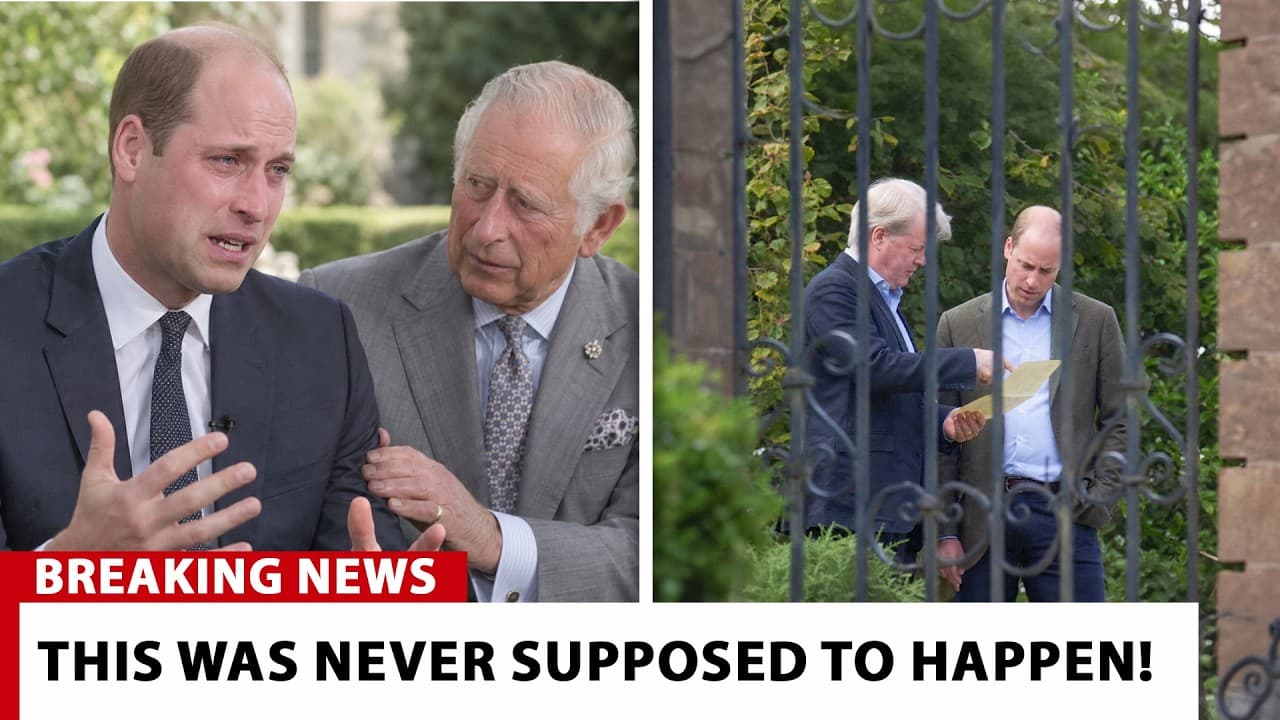
So William is sitting across from his uncle at Althorp and the one thing he came to hear turns out to be just the first door. The actual story isn't only about what King Charles said after Diana died. It's about why a 15-year-old boy was put on that road in front of millions of people in the first place and whether anyone in that room was actually ... Read More
Key Insights
- William travels to Althorp to hear the claim directly from Spencer rather than rely on headlines
- Spencer asserts that the decision to walk behind the coffin involved concerns about both age and public reaction
- The conversation reveals a tension between duty to perform and protection of the crowd and the public mood
- Two grieving men remember the same conversation differently, challenging a single authoritative version
- A photo from September 6th, 1997 anchors the memory and prompts new questions about the procession
- Spencer describes the room as moving toward a focus on who was discussing the boys and why
- William shifts from seeing himself as Diana’s son to considering his future role as king and protector
- The dialogue links personal memory to broader implications for royal duty and public perception
Install to Summarize YouTube Videos and Get Transcripts
Explore YouTube Video Summarizer or Get YouTube Transcript Extractor
Questions & Answers
Q: What question did William ask when he met Spencer at Althorp?
William asked whether Charles actually said the controversial remark about the walk behind Diana, using the opportunity to hear the exact memory from Spencer instead of a newspaper version. This question opened a path to compare memories and explore why the boys were placed in the procession in the first place, reflecting on duty and protection.
Q: Why did Spencer believe the boys walking could influence the crowd?
Spencer believed the boys walking beside Charles could alter the emotional temperature of the procession, potentially reducing crowd anger toward the royal family. He feared the presence of Diana’s sons might dampen public hostility and change how officials approached the funeral, making the moment less explosive for Charles.
Q: What did William notice in the 1997 coffin procession photograph?
William noticed a 15-year-old boy walking with his head lowered and hair partially shielding him, which triggered his reflection on whether the boy was there for duty alone or also for protection and privacy. This observation helped shift the conversation from obligation to the implications for the boys themselves.
Q: What question did Spencer say Charles was concerned about when discussing the boys’ involvement?
Spencer indicated that Charles was concerned about whether the boys were old enough to understand the reasons behind the arrangement, not just whether they should participate. This highlights the tension between consent given by a child and the adults’ decision seeking a broader protective rationale.
Q: What two themes did the discussion tie together regarding the boys?
The discussion tied together duty and protection. Duty refers to performing a public function as part of royal expectations, while protection concerns how involvement might shield others in the crowd or influence public sentiment. The intersection of these themes shaped the decision to include the boys.
Q: How did William reinterpret the memory of the procession later?
William reinterpreted the memory by imagining George being asked to walk in the future and considering not just the boy as Diana’s son but as a potential king. This reframing connected the past to present concerns about leadership, responsibility, and the influence of family presence on national perception.
Q: What did William realize about his own memory of his father during that week?
William realized that Charles had been present and walking beside him during that time, which contrasted with his earlier memory of his father possibly absent. This realization blurred a simple narrative of absence and raised questions about how different adults remember the same events.
Q: What is the broader implication discussed in the video about memory and record keeping?
The broader implication is that memory can be contested and multiple memories may coexist, with no single definitive account. This affects how the royal family understands their own history and how future generations interpret governance, duty, and protection in moments of national significance.
Summary & Key Takeaways
-
William confronts the memory of 1997 by reviewing a photo and notes from Spencer, leading to a deeper question about who needed him on that road. The discussion emphasizes memory over a single definitive record and highlights the role of public mood in royal decisions.
-
The interview traces how the boys’ involvement in the procession altered perceived risk to Charles and the crowd, showing that family duty, protection, and public reaction were overlapping factors in the plan.
-
Spencer and William explore the idea that memory can be contested, with two grieving men recalling the same conversation differently, and consider what that means for the future governance and protection of the monarchy.
Read in Other Languages (beta)
Share This Summary 📚
Summarize YouTube Videos and Get Video Transcripts with 1-Click
Try YouTube Summary with ChatGPT & Claude or YouTube Transcript Generator
Explore More Summaries from Crown Watch 📚


Summarize YouTube Videos and Get Video Transcripts with 1-Click
Try YouTube Summary with ChatGPT & Claude or YouTube Transcript Generator