How Will William Change Royal Titles Law Right Now?
TL;DR
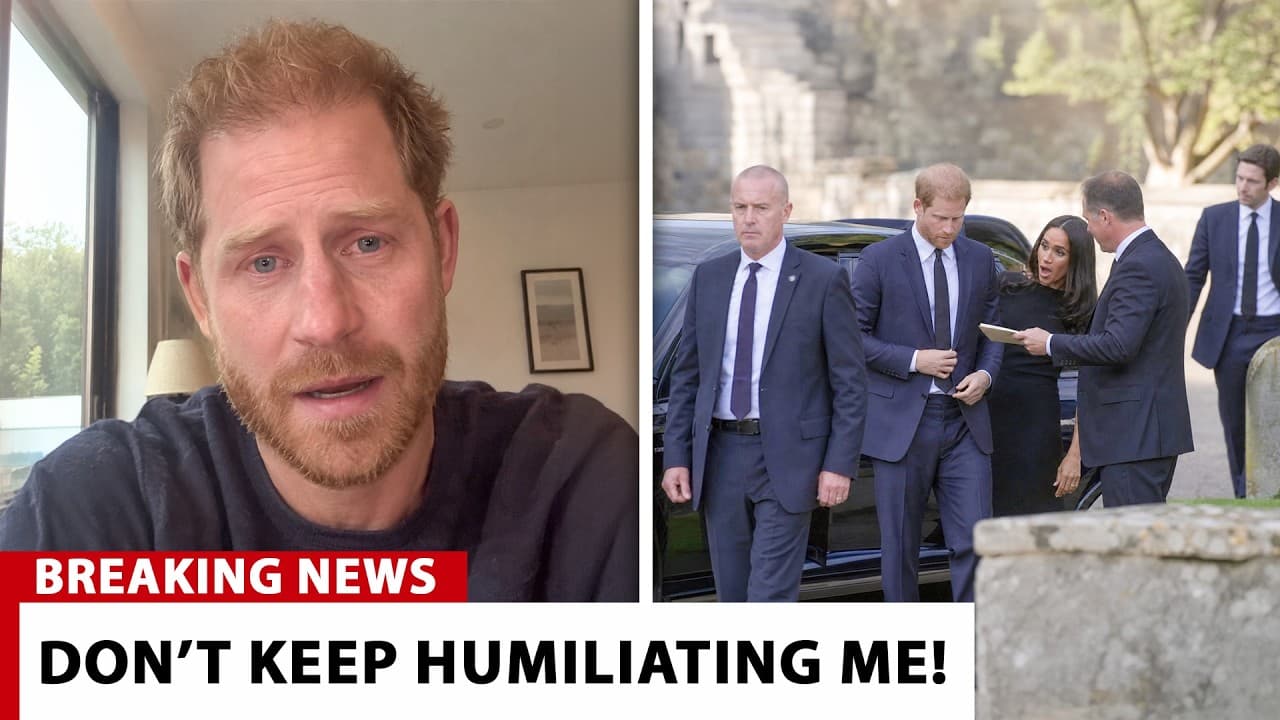
William is pushing a February 2026 bill that would give Parliament a formal role in removing royal titles from non-working royals. The bill would codify existing practice that the monarch can revoke titles, and it would create a formal process for stripping titles from non-working royals, potentially affecting Harry and others.
Transcript
So, Prince William is reportedly pushing Parliament to finally deal with a royal title situation. [music] And the timing of this is honestly fascinating because it completely undercuts the narrative that Harry and Megan have been running with for years. Like the entire story we've been told is that nothing can happen until Charles [music] decides t... Read More
Key Insights
- Titles are granted by letters patent and can be revoked by the monarch, existing as royal titles not linked to land. The change would shift control from personal discretion to parliamentary oversight. William is actively pushing the bill, aiming to move it beyond a stalled status. The bill would formalize the process for non-working royals, affecting Harry and other royals. Meghan Markle does not hold a royal title, only a courtesy title via marriage. The timing aligns with recent family drama and Charles Spencers memoirs, influencing public perception and political momentum.
- William is acting to shape the monarchy’s future by proposing formal mechanisms for title removal rather than waiting for the monarch alone. The legislation would make royal titles operate at the monarch’s pleasure while adding a formal path through Parliament for non-working royals. If passed, it codifies existing practice into law.
- The distinction between royal and aristocratic titles is crucial: royal titles are not land-based rights but a monarch granted privilege that can be revoked. The bill would create a process to remove titles from non-working royals, signaling a shift toward modernizing the institution while preserving ceremonial traditions.
- The narrative around Harry and Megan hinges on security and status, with titles being one lever in leverage against public scrutiny and taxpayer funding. William’s push could undercut their ongoing public strategy by normalizing removal of titles and limiting the couple’s symbolic platform.
- Parliamentary involvement would formalize a mechanism that already exists in practice, potentially making it easier to remove titles if a royal chooses to no longer participate in royal duties. The public debate will weigh tradition against calls for reform and accountability within the monarchy.
- The comparison to Diana is used to frame the current tension as defensive of modernization rather than confrontation with the monarchy itself, suggesting the family is redefining the institution’s expectations and who holds power.
Install to Summarize YouTube Videos and Get Transcripts
Explore YouTube Video Summarizer or Get YouTube Transcript Extractor
Questions & Answers
Q: A real search query question about the video (e.g. 'How to...', 'What is...', 'Why does...', 'When should...'). Question 1
William is pushing a February 2026 bill that would give Parliament a formal role in removing royal titles from non-working royals. The bill would codify into law the monarchs power to revoke titles and create a formal process for stripping titles, potentially affecting Harry and other royals who are not active members of the monarchy. This move signals a shift toward a more modernized approach to royal privileges while keeping royal authority within the monarchs purview.
Q: Question 2
The video explains that royal titles are granted by letters patent and can be revoked by the monarch, not by Parliament, though a new bill would change this by introducing parliamentary involvement. Meghan Markle does not hold a royal title, she uses the Duchess of Sussex as a courtesy title rather than an actual title in her own right. This distinction matters for how headlines report potential changes.
Q: Question 3
William’s push is framed as a response to stalled legislation that would formalize the monarchs power to remove titles and to provide a process for stripping non-working royals. The move is positioned as William stepping into a future role as king, building relationships with Commonwealth leaders and signaling a proactive approach to modernizing the monarchy.
Q: Question 4
The report compares William’s actions to critiques of Harry and Megan, arguing that William wants to avoid the perception that the monarchy is stagnant. The video suggests William believes the current approach risks undermining the institution, and his actions may influence how Harry and Megan plan their own future, including security considerations and public narratives.
Q: Question 5
The transcript notes that Diana’s history is used to frame the current tension in a way that emphasizes institutional versus personal conflict. It argues that Diana did not attack the monarchy as an institution, whereas Harry and Megan are portrayed as challenging it. This framing is used to justify William’s reform push as a modernization effort.
Q: Question 6
According to the video, the bill would apply to non-working royals such as Harry, Beatrice, Eugenie, and possibly Harrys children, while Meghan would not lose an actual royal title because she never held one independently. The discussion clarifies the difference between losing a title and losing the use of a courtesy title.
Q: Question 7
The video suggests that William’s call to the Canadian prime minister is part of establishing relationships as future king, a move to solidify leadership across Commonwealth realms. This development is presented as part of a broader strategy to position William as the monarch who will modernize and manage the royals future.
Q: Question 8
If the bill passes, it would formalize the monarchs power to revoke titles and create a parliamentary process for stripping titles from non-working royals. This would mark a shift from a purely monarch-led approach to a collaborative framework that includes Parliament, influencing the status and activities of Harry, Beatrice, and Eugenie.
Summary & Key Takeaways
-
William moves to accelerate title reform by backing legislation that would remove royal titles from non-working royals and codify the monarchs power to revoke titles, changing the governance of the royal family. The bill remains stalled but gains momentum from the Crown Prince’s actions and public scrutiny.
-
The proposed law would require parliamentary involvement in stripping titles while maintaining the monarchs authority to grant or revoke titles, marking a shift toward a more formalized approach to royal privileges. The debate centers on the balance between tradition and modernization.
-
Harry and other non-working royals face a potential change in status if the bill passes, altering how titles are used and who decides their future. The timing correlates with William’s public moves and the broader narrative around the monarchy’s future.
Read in Other Languages (beta)
Share This Summary 📚
Summarize YouTube Videos and Get Video Transcripts with 1-Click
Try YouTube Summary with ChatGPT & Claude or YouTube Transcript Generator
Explore More Summaries from Crown Watch 📚

Summarize YouTube Videos and Get Video Transcripts with 1-Click
Try YouTube Summary with ChatGPT & Claude or YouTube Transcript Generator