Intro to heat treatment of steel (hardening and tempering)
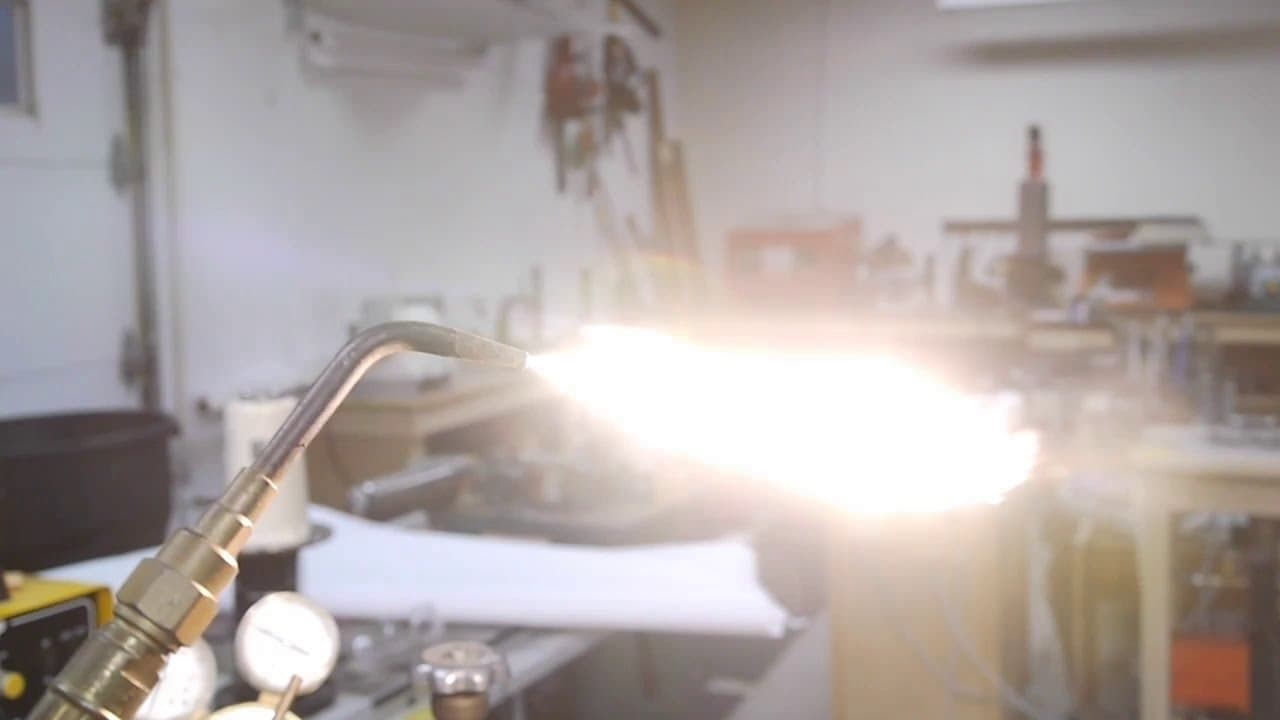
TL;DR
Steel heat treatment involves changing steel properties to enhance strength through controlled temperature exposure.
Transcript
hey everyone I wanted to talk about heat treating steel a little bit in this video so if you search for this topic on the internet you'll find there's a lot of theoretical and background information and then also a lot of practical information without much explanation of why the things are done so I'm hoping to bridge the gap a little bit in this v... Read More
Key Insights
- 🥵 Heat treating steel involves manipulating its properties through controlled temperature changes for enhanced strength.
- 🥵 Stress, strain, and yield points dictate the behavior of steel during heat treatment processes.
- 🏣 Tempering hardened steel post-treatment enhances its toughness and usability.
- 🥵 The carbon content of steel influences its suitability for heat treatment processes.
- 🥵 Understanding stress-strain relationships is crucial for optimizing steel heat treatment results.
- 🥵 Heat treatment methods impact steel hardness, strength, and toughness differently.
- 🥵 Proper heat treatment can significantly improve steel performance and durability.
Install to Summarize YouTube Videos and Get Transcripts
Explore YouTube Video Summarizer or Get YouTube Transcript Extractor
Questions & Answers
Q: What is the main objective of heat treating steel?
The primary goal of heat treating steel is to enhance its strength by subjecting it to specific temperature cycles to modify its properties and performance.
Q: What role do stress, strain, and yield points play in steel heat treatment?
Understanding stress, strain, and yield points is crucial in determining the behavior of steel materials under different loading conditions during heat treatment processes.
Q: Why is it important to temper hardened steel after the initial hardening process?
Tempering hardened steel after the initial hardening process is vital as it helps to reduce brittleness, increase toughness, and improve overall usability without compromising too much on strength.
Q: How does the carbon content of steel influence its ability to undergo heat treatment?
The carbon content of steel determines its hardenability, with higher carbon content yielding harder steel suitable for heat treatment processes, while lower carbon content results in softer steel.
Summary & Key Takeaways
-
Heat treating steel aims to increase material strength by exposing it to specific temperatures.
-
The process involves understanding stress, strain, yield points, and the plastic region of materials.
-
Different heat treatment methods result in varying levels of hardness, strength, and toughness in steel.
Read in Other Languages (beta)
Share This Summary 📚
Summarize YouTube Videos and Get Video Transcripts with 1-Click
Try YouTube Summary with ChatGPT & Claude or YouTube Transcript Generator
Explore More Summaries from Applied Science 📚




Summarize YouTube Videos and Get Video Transcripts with 1-Click
Try YouTube Summary with ChatGPT & Claude or YouTube Transcript Generator