How to Break Habits and Make Change Last
TL;DR
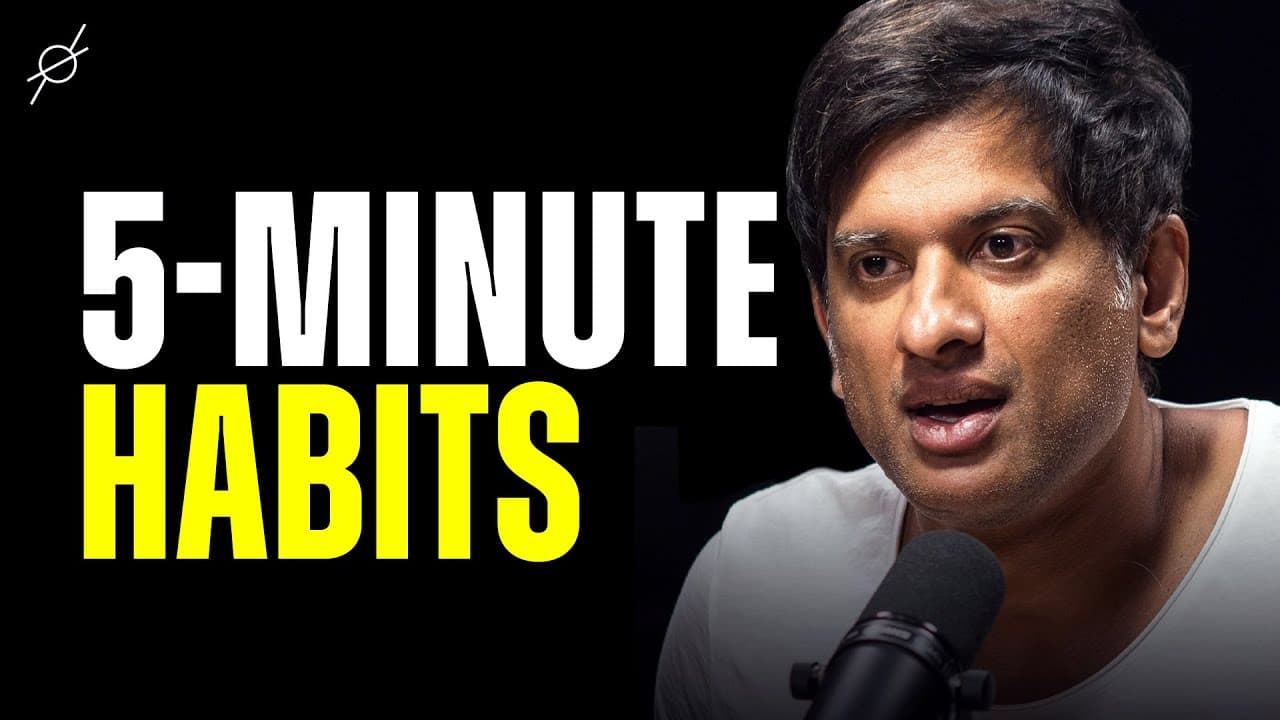
Lasting behavior change begins by identifying the internal reasons behind a habit, rather than relying only on information, guilt, or willpower. Small actions performed consistently can build momentum and self-trust, while changes rooted in self-acceptance are more sustainable than resolutions driven by shame, inadequacy, or conflict with your identity.
Transcript
everyone wants change that lasts Beyond a few weeks and a few months I've seen patients in the darkest places which change their lives why does it have to be hard I believe it's only hard because we haven't got to the route but inspiration without action will not lead to change you have to do something on the back of it I suspect many of us are con... Read More
Key Insights
- Lasting change is rooted in understanding why a behavior occurs. Information can identify an unhealthy habit, but self-awareness is needed to uncover the thoughts, emotions, environmental influences, and responses to adversity that repeatedly drive it.
- Modern lifestyle is related to an estimated 80–90% of what Chatterjee encounters as a doctor. He presents this without blaming individuals, arguing that contemporary ways of living contribute to symptoms, sickness, and disease across the population.
- Health rests on four interconnected pillars: food, movement, sleep, and relaxation. Perfection in one pillar is unnecessary, but Chatterjee argues that people should address all four and seek balance rather than focusing exclusively on a single health behavior.
- Knowledge alone is often insufficient for sustainable behavior change. People may understand the risks of excess sugar and personally experience benefits after avoiding it, including improved energy, skin, and sleep, yet still return to their previous consumption patterns.
- Internal knowledge is awareness of the personal forces behind a repeated behavior. Instead of seeking more external advice, a person can ask why they continue a habit despite already knowing its consequences and having experienced the benefits of stopping.
- The motivation behind a resolution can determine whether it lasts. Change driven by the belief that a person is inadequate tends to depend on guilt, shame, and willpower, which may produce temporary compliance before the old behavior returns.
- Self-acceptance can make behavior change easier. When improvement comes from an attitude of love and abundance rather than personal deficiency, the desired behavior is less likely to conflict with the person’s identity and may eventually feel effortless.
- Self-trust grows through consistently completed actions. Doing what you said you would do each day creates momentum and provides real-world evidence that you can follow through, strengthening confidence in your capacity to sustain further change.
Install to Summarize YouTube Videos and Get Transcripts
Explore YouTube Video Summarizer or Get YouTube Transcript Extractor
Questions & Answers
Q: How can you make a behavior change last?
Lasting behavior change starts with examining the root cause of the behavior, including how you think, respond to adversity, and interact with the world. Information and temporary motivation are not always enough. Choose an action you can perform consistently, follow through each day, and use that repeated evidence to build momentum and trust in yourself.
Q: Why does willpower often fail to create lasting change?
Willpower often fails when a desired behavior conflicts with a person’s identity or begins from feelings of guilt, shame, and inadequacy. Those forces may sustain a resolution for weeks or months, but the underlying self-perception remains unchanged. Chatterjee argues that people often revert unless they address the deeper beliefs and patterns producing the behavior.
Q: Why is health knowledge not enough to break an unhealthy habit?
Health knowledge can clarify what is harmful without explaining why someone repeatedly does it. A person may know that excess sugar causes problems, avoid it for a month, and experience improved energy, skin, and sleep, yet still return to it. Lasting change also requires internal knowledge about the emotional and behavioral forces behind that return.
Q: What are the four pillars of health and well-being?
The four pillars are food, movement, sleep, and relaxation. Chatterjee considers every pillar important and says each can affect health. The goal is not perfection within one area, but reasonable attention to all four and balance among them. He also describes these pillars as root causes that can be examined alongside deeper behavioral influences.
Q: How does self-awareness support lasting behavior change?
Self-awareness helps a person investigate why a habit continues despite clear knowledge of its consequences. It shifts attention from collecting more external advice to understanding internal patterns, including thoughts, identity, emotional needs, and reactions to adversity. This deeper understanding can reveal the actual driver of a behavior and support a more sustainable response.
Q: How does identity affect attempts to change a habit?
Identity affects change because a new behavior may conflict with who someone believes they are. Trying to overpower that conflict through guilt, shame, or willpower can create temporary results without changing the underlying self-concept. When the desired behavior aligns with self-acceptance and a healthier sense of identity, maintaining it can become much easier.
Q: How can small daily actions build self-trust?
Small daily actions build self-trust by turning an intention into repeated evidence. Each time you do what you said you would do, you demonstrate that you can rely on yourself. That proof creates momentum and strengthens confidence, making continued action more believable and reducing dependence on a single burst of inspiration or motivation.
Q: How does environment influence health priorities and behavior?
Environment influences what people see as normal, valuable, and worth practicing. Chatterjee contrasts the wellness culture he encountered in Los Angeles with his surroundings in northwest England, observing that communities interested in health can make wellness practices feel ordinary. The people and practices around someone can therefore shape attention, expectations, and behavior.
Summary & Key Takeaways
-
Dr. Rangan Chatterjee argues that modern lifestyles contribute to much of the illness doctors encounter. Food, movement, sleep, and relaxation remain four important pillars of health, but lasting improvement requires looking further upstream at the thoughts, emotional patterns, environmental influences, and responses to adversity that shape everyday behavior.
-
Knowing that a behavior is harmful does not necessarily produce lasting change. A person may understand that excess sugar causes problems, temporarily remove it, and experience better energy, skin, and sleep, yet eventually return to the old pattern. Internal knowledge and self-awareness are therefore essential alongside external health information.
-
Sustainable change depends on the energy and identity behind an intended behavior. Resolutions motivated by shame, guilt, inadequacy, and willpower may work temporarily but often conflict with how people see themselves. Change can become easier when it begins with self-acceptance, is reinforced through small actions, and builds evidence-based trust in oneself.
Read in Other Languages (beta)
Share This Summary 📚
Summarize YouTube Videos and Get Video Transcripts with 1-Click
Try YouTube Summary with ChatGPT & Claude or YouTube Transcript Generator
Explore More Summaries from Rich Roll 📚





Summarize YouTube Videos and Get Video Transcripts with 1-Click
Try YouTube Summary with ChatGPT & Claude or YouTube Transcript Generator