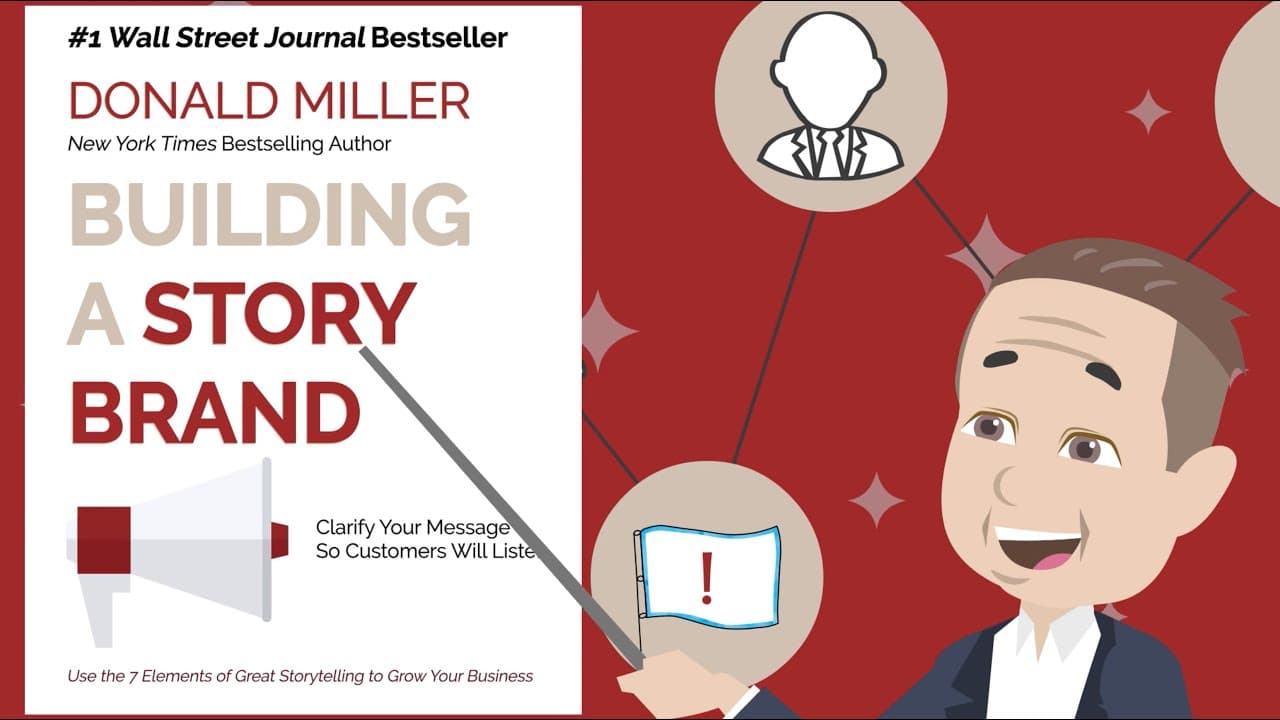
How to Tell a Brand Story with StoryBrand Framework
TL;DR
The core idea is that the customer is the hero, not your brand, and messaging should guide the audience through a simple, repeatable story. Use the SB7 framework with a clear character, problem, guide, plan, and call to action. Focus on survival needs and keep the message easy to understand to avoid losing attention.
Transcript
Every day, every person wakes up and views the world through the lens of the main character. Every day, everyone lives their own story, regardless of how altruistic and generous they may be. Every person is the hero of their own story. So, if you talk to them about your story, how cool you are, or how your grandfather used to handpick ol... Read More
Key Insights
- The customer is the hero, not the company, in effective storytelling.
- A clear, simple message is essential to get into the audience's head.
- Stories follow a pattern: character wants something, faces a problem, meets a guide with a plan, and achieves or avoids failure.
- Survival is the core driver behind audience interest and engagement.
- Talking about the customer’s problems increases engagement and relevance.
- External, internal, and philosophical problems must be addressed to satisfy the audience.
- A single, simple initial desire helps avoid confusing potential customers.
- Positioning products as tools to defeat a real villain makes messaging relatable and persuasive.
Install to Summarize YouTube Videos and Get Transcripts
Explore YouTube Video Summarizer or Get YouTube Transcript Extractor
Questions & Answers
Q: A real search query question about the video (e.g. 'How to...', 'What is...', 'Why does...', 'When should...'). Question 1
The customer is the hero, and brand messaging should center on how the brand helps the customer survive better. Define a single clear desire, identify a real villain, and present a simple plan. This structure keeps the audience engaged and makes it easier for potential customers to see how the brand fits into their story.
Q: What is the SB7 framework and why is it important?
SB7 is a storytelling framework used in StoryBrand that places the customer as the hero and the brand as a guide. It uses a simple plan to help the hero avoid failure and achieve success. The framework emphasizes clear goals, relatable problems, and straightforward messaging to improve marketing effectiveness.
Q: How should brands talk about problems to engage viewers?
Brands should articulate external problems that customers face, but also connect to internal feelings and philosophical concerns. By showing the villain as the root cause of frustration and linking it to personal values, messaging becomes more relatable and compelling, encouraging customers to take action.
Q: Why is it important to avoid overly complex branding messages?
Complex messages drain mental energy and reduce attention. A simple, repeatable message helps the audience remember and internalize the brand promise. Clarity enables potential customers to decide quickly what the brand offers and how it can help in their own story.
Q: How does the video illustrate the concept of a villain?
The villain represents the root cause of the customer’s frustration and should be relatable, singular, and real. By identifying this villain, brands can frame their products as weapons to defeat it, aligning the solution with the customer’s high level goals and emotional needs.
Q: What role does the audience’s survival play in storytelling according to the video?
Survival is a primary driver for audience interest. Stories that help improve physical, emotional, relational, or spiritual survival are more engaging. Focusing on survival ensures the narrative remains relevant and motivating for viewers who want tangible outcomes.
Q: What should a brand focus on first to avoid confusion in marketing?
Start with a single focus or a single initial offer that clearly solves one main desire. Once customers engage, the brand can guide them toward a broader world of products, but initial messaging should remain simple to prevent confusion and maintain clarity.
Q: How do examples like Star Wars or Rudy help explain StoryBrand?
They show how a character with a clear goal gains guidance and a plan to overcome obstacles. The audience benefits when the story demonstrates progress and stakes, making the product or service feel like a necessary part of achieving the character’s success.
Summary & Key Takeaways
-
Summary point 1 (50 words) The video explains that branding should mirror cinema storytelling where the customer is the hero. It emphasizes avoiding self centered messages and instead showing how a brand can help the customer survive better, addressing external, internal, and philosophical problems through a simple promise.
-
Summary point 2 (50 words) A key concept is that stories must be easy to follow. Complex brand messages wear down the audience's mental energy like a treadmill. The StoryBrand SB7 framework provides a repeatable pattern that helps brands place customers at the center and communicate a clear plan they can act on.
-
Summary point 3 (50 words) The video illustrates the villain concept, identifying a root cause, relatability, singular focus, and reality. By positioning products as weapons against the villain, brands can clarify benefits and outcomes. The framework includes questions customers must answer to engage with the brand and its offerings.
Read in Other Languages (beta)
Share This Summary 📚
Summarize YouTube Videos and Get Video Transcripts with 1-Click
Try YouTube Summary with ChatGPT & Claude or YouTube Transcript Generator
Explore More Summaries from The Founders' Potential 📚


Summarize YouTube Videos and Get Video Transcripts with 1-Click
Try YouTube Summary with ChatGPT & Claude or YouTube Transcript Generator